Speakers

Michael Doyle PhD

Network Session
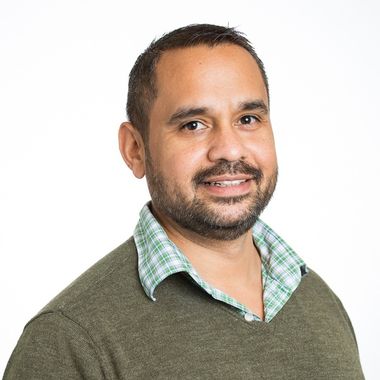
Professor Michael Doyle is a Bardi man and national leader in Australian Aboriginal health research. Based at the University of Sydney, he leads the First Nations Health research team at the Edith Collins Centre for Translational Research in Alcohol, Drugs and Toxicology.
Michael has worked in Aboriginal health since 1998, beginning in frontline service delivery before moving into research in 2008. His PhD, awarded in 2018, was the first to examine prison-based rehabilitation programs for Aboriginal and Torres Strait Islander Australians. His research program focuses on improving alcohol and other drug (AOD) treatment and health service delivery, with a particular focus on people transitioning between prison and community-based care.
He is Chief Investigator on 12 competitive Category 1 grants, including two as Chief Investigator A, these grant span randomised controlled trials, cohort studies, and service delivery research. Michael works closely with Aboriginal community controlled organisations and is co-chair of the Aboriginal Health and Medical Research Council’s Human Research Ethics Committee in New South Wales. He also contributes nationally as a member of the Australian Institute of Health and Welfare’s Prisoner Health Data Committee.