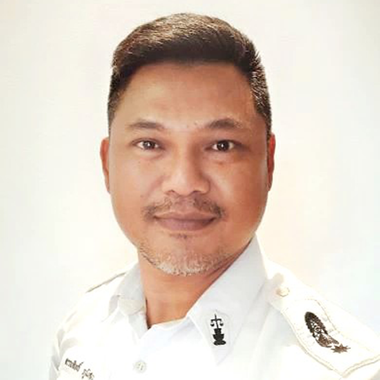
Sappasit Phoomsuk
Medical Science Technician/ Head of Narcotics Rehabilitation Section, Department of Corrections, Thailand
Education:
•Certificate in Medical Science Technician, March 2004
Professional Experience:
Head of Narcotics Rehabilitation Section, Medical Service Division, Department of Corrections Headquarters (2021 - Present)
Since 2016, I have led the Narcotics Rehabilitation Section, managing the Drug Abuse Rehabilitation Program for prisoners. My responsibilities include developing and implementing rehabilitation standards, project planning, budget allocation, and program implementation. I also conduct onsite evaluations and follow-ups. Additionally, I introduced innovative tools such as the ASSIST Test and the Prisoner Mental Health Questionnaire Test.
Operational Prison Security Officer, United Nations Mission in South Sudan: UNMISS (2019 - 2021)
I represented Thailand as an Operational Prison Security Officer for the United Nations Mission in South Sudan: UNMISS. I managed detainees and was responsible for security tasks, including facility searches, detainee counts, escorts, admissions, patrols, risk assessments, and responding to security incidents. I contributed to developing SOPs, policy, and contingency plans and coordinated security activities with other mission components.
Narcotics Prevention and Rehabilitation Center (2015 - Present)
I oversee the Drug Abuse Rehabilitation Program, focusing on effective management, planning, budgeting, auditing, and evaluations within the National Drug Treatment Network. My work has significantly improved mental health and rehabilitation standards for prisoners.
Medical Science Technician, Department of Corrections (2008 - 2015)
Skills and Competencies:
•Project Management
•Budget Planning
•Program Implementation
•Program Auditing
•Onsite Evaluation
•National Drug Treatment Network Coordination
•Corrections Database Management
•Human Resources Development Planning
•Training and Development