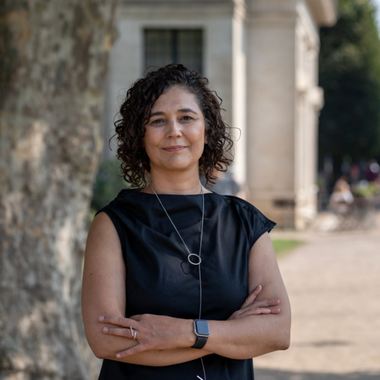
Sonia Bom
Partner, Design Director, Architect, Alex Poulsen Architects, Denmark
Sonia has since 2019 been Design Director, architect, and partner at Alex Poulsen Architects – a studio which for 80 years has been a close and trustful client adviser and lead architectural office for the Danish Department of Prisons and Probation.
She has more than 13 years of experience on secured constructions, from prisons to psychiatries, and other complex typology projects. She has worked as an architect in Denmark for the last 14 years and has previously worked in both Portugal and Spain.
In the studio’s framework agreement with the Danish Probation and Correctional Service since 2018, Sonia has been responsible for portfolio management. She uncovers the projects’ success criteria with prison design. Sonia is furthermore responsible for client consultancy and project management of several projects across Denmark and internationally.
With experience in involving users and managing and planning projects, in all phases of a project’s development, Sonia is skilled in handling complex collaborative relationships. Such relationships not only include builders, client, staff, and users of the institutions but also contractors and external and technical expert advisors. Being part of a larger Security Technical expert panel, Sonia manages the tasks of the project teams for high security facilities with her in-depth knowledge of each individual’s role and expertise.