What happens after prison often determines whether people return to crime or build new lives. This session explores how Network After Imprisonment and the G26 Re-entry Center in Oslo are transforming reintegration through holistic, coordinated support. Initiated by the Norwegian Red Cross in 2004, Network After Imprisonment has become a national model for post-release support, operating in close partnership with the Correctional Service, municipalities, and volunteers. The approach was taken a step further with the G26 Re-entry Center, where services like corrections, welfare (NAV), adult education, healthcare, work training, and civil society actors are co-located and work together across sectors.
By offering one point of entry and integrating services, G26 simplifies the reintegration process and reduces time and cost - while strengthening outcomes for people released from prison.
This model has gained wide national and international attention. Delegations, policymakers, and organizations from across Europe have visited the center, recognizing it as a leading example of practical, human-centered reintegration. The success has led to a formal cooperation agreement between the Norwegian Red Cross and the Directorate of Correctional Service to expand re-entry centers to additional cities across Norway. In this presentation, we share lessons learned, results achieved, and what it takes to build real bridges between systems, sectors, and people. Whether you work in corrections, social policy, or community development - this is a session for anyone interested in what happens after prison, and how to do it better.
Moderated by Pedro das Neves, Board Member, ICPA, Canada
×
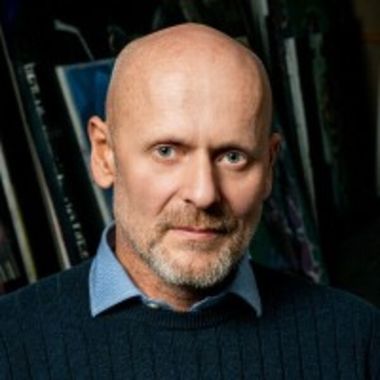
Stian Estenstad
Director - Network after Prison, Oslo Red Cross, Norway
With a background in substance abuse treatment and education from the Norwegian Correctional Service Education Center, Estenstad began his career as a prison officer at Ullersmo and Oslo Prisons. He was the person in charge for a recidivism project in collaboration with probation services, aiming to support repeat offenders during their transition back into society.
In 2004, he joined the Norwegian Red Cross and played a key role in establishing the ""Network After Imprisonment"" program, which he continues to lead. The program offers comprehensive support for individuals transitioning from incarceration to release and is now active in several major Norwegian cities. Its success has inspired similar initiatives in Denmark, Iceland, and Latvia, with other countries also exploring the model.
Estenstad also founded and leads Norway’s first Re-entry Center, G26, in Oslo. This innovative center provides holistic services for formerly incarcerated individuals, including access to social support, education, drug rehabilitation, and employment training. The Re-entry Center has significantly strengthened the reintegration efforts for this vulnerable population and serves as a national model for coordinated post-release support.
×
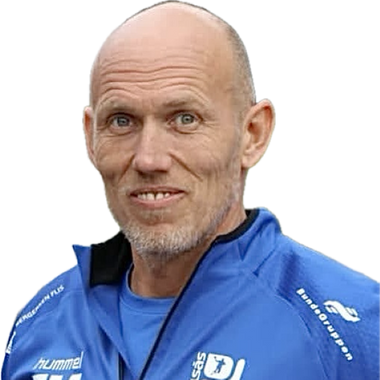
Tomas Myra
Advisor for the Youth Project, Oslo Red Cross, Norway
Tomas Myra was once on the Oslo police’s VIC (Very Important Criminal) list, meaning he was among the 30 most active criminals during the 1990s and early 2000s. He spent nearly 15 years in and out of prison, faced trial 16 times, and was convicted in over 300 cases—from his first conviction in 1987 to his last in 2003.
Tomas made a crucial decision to change his life. He took advantage of every offer available to him in prison and through probation services. He first engaged with the Norwegian Red Cross’ Network After Imprisonment program as a participant, then as a volunteer, and now works there as an employee. Tomas also earned a qualification as a child and youth worker and has worked in child welfare and psychiatry. Today, he is responsible for supporting young offenders aged 15 to 25 within the Network After Imprisonment.
Tomas’s story and that of Stian Estenstad began over 25 years ago at Oslo Prison. Stian, a newly trained prison officer, was assigned as Tomas’s case officer. Their first encounter involved Stian denying Tomas a furlough. Today, they are colleagues working together at the Norwegian Red Cross’ Network After Imprisonment.