Correctional staff operate within high-stress institutional environments that expose them to sustained emotional and physical demands. Despite these challenges, their psychological well-being remains a marginal concern within the broader framework of correctional administration. The organizational culture of many correctional facilities, characterized by rigid hierarchies and emotional suppression, tends to prioritize operational control over employee welfare. This dynamic contributes to the internalization of stress and the eventual manifestation of occupational burnout, which often includes symptoms such as emotional exhaustion, depersonalization, and a diminished sense of professional efficacy.
This presentation highlights the need for a systemic shift from reactive to proactive mental health strategies in correctional settings. Instead of addressing burnout only after it arises, institutions should focus on preventative approaches that promote resilience, provide structured opportunities for rest and psychological recovery, and ensure equitable workload distribution. Moreover, the development of emotional intelligence among staff is essential for improving interpersonal relationships, reducing conflict, and fostering empathetic communication. These soft skills can substantially enhance workplace cohesion and staff morale.
Equally critical is the establishment of peer support networks and mentorship programs to counter the isolating nature of correctional work. Such initiatives help cultivate a culture of solidarity, emotional validation, and collective resilience. Ultimately, a holistic and human-centered institutional approach that addresses the emotional and organizational needs of correctional staff can lead to improved well-being, greater institutional effectiveness, and ethical sustainability. Future research and policy should continue to explore comprehensive models for fostering psychologically healthy correctional environments.
Moderated by Fatih Güngör, Board Member, ICPA, Türkiye
×
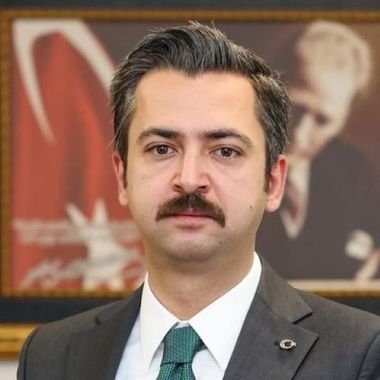
Fatih Serkan Günaydın
Judge, Head of Personnel Department, Ministry of Justice, General Directorate of Prisons and Detention Houses, Türkiye
Born on October 12, 1990, in Ankara, Fatih Serkan Günaydın completed his undergraduate studies at the Faculty of Political Science and Public Administration at Ankara University, graduating in 2013. He later pursued a master's degree in the Department of Public Finance at the Social Sciences Institute of Hacettepe University, completing it in 2022. He began his career as an Inspector at the Ministry of Finance in 2014, where he worked until 2017. In 2017, he started his judicial career as a Judge Candidate at the Samsun Regional Administrative Court. Subsequently, he served as a member of the Afyonkarahisar Administrative Court and later as a member of the Ankara Administrative Court. Additionally, he held the position of Rapporteur Judge at the General Directorate of Prisons and Detention Houses. In 2023, he was appointed as the Head of the Personnel Department at the General Directorate of Prisons and Detention Houses. He is married and has one child.