This presentation reports on fieldwork undertaken by UNODC in Namibia with almost 100 prisoners and prison staff seeking to understand how prison environments may be made more conducive to rehabilitation.
The study adopted an appreciative enquiry approach, asking prisoners to tell stories about when they had felt most supported by the prison’s rehabilitative efforts, then examining these stories in detail to understand the dynamics of these moments when things worked well. Building on this approach, the study also asked staff at all levels - from frontline security to specialist programmes - to speak of times when they had been able to do their best work in supporting prisoners’ rehabilitation.
The stories that unfolded revealed remarkable convergence across both female and male prisoner groups, as well as both aligning with prison officers, in what made a prison environment conducive to rehabilitation. Equally, all groups could point to when things went wrong and the prison became a brake rather than a facilitator or amplifier of positive changes. The paper gives voice to prisoners and prison officers as experts by experience and contributes to the growing dialogue and international research on rehabilitative prison environments.
Moderated by Luke Grant, Deputy Commissioner, Corrective Services New South Wales, Australia
×
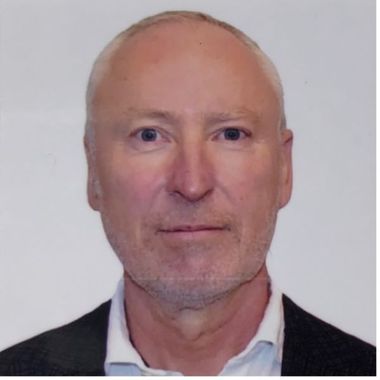
Dr Mark Brown
Prisons Research Consultant, UNODC, United Kingdom
Mark Brown is a senior prisons research consultant in the Research and Trend Analysis Branch of the United Nations Office on Drugs and Crime (UNODC). He also teaches in the School of Law at The University of Sheffield and is an Honorary Senior Fellow in the School of Social and Political Sciences at the University of Melbourne, Australia. During 2022-23 Mark was a UK Leverhulme International Fellow based at JSW School of Law, Bhutan. His work focuses on prisons, offender management, punishment and penal theory, criminal justice, and law. He has a particular interest in historical and comparative studies, including in colonial and postcolonial societies. Mark also works in international development programme evaluation, where he has evaluated programmes for preventing and countering crime and terrorism in several countries in East Africa, West Asia and Central Asia.