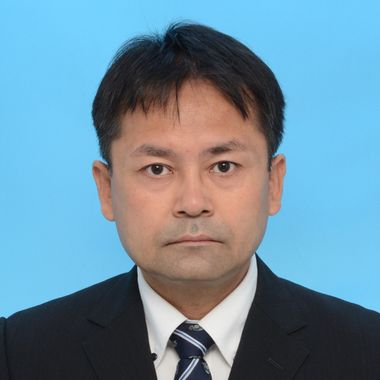
Speakers

Hiroyuki Watanabe

Workshop Session
The Risk-Need-Responsivity (RNR) model is regarded as a fundamental approach to offender treatment in the corrections field, and assessment is a particularly important element to provide effective treatment in accordance with the RNR model. In Japan, assessment by the Case Formulation in Probation/Parole (CFP) tool was officially introduced in January 2021. The CFP is used to sort factors that lead to reoffending or delinquency and factors that promote rehabilitation into eight categories, and probation officers use the results of the assessment to draw charts or timelines to help elaborate the interactive relationships among these factors visually. The CFP helps probation officers identify supervisees’ personal and environmental characteristics that are criminogenic or promote desistance, and they assist probation officers in drafting individually tailored treatment plans. During implementation of supervision, probation officers continuously check the status of these factors and characteristics. Through these measures, probation officers and hogoshi (volunteer probation officers) can strengthen collaboration and develop a common understanding of what works to promote desistance. By helping probation officers identify positive or negative changes in supervisees’ lives and, if necessary, review and revise treatment plans, the CFP is improving probation practice in Japan.