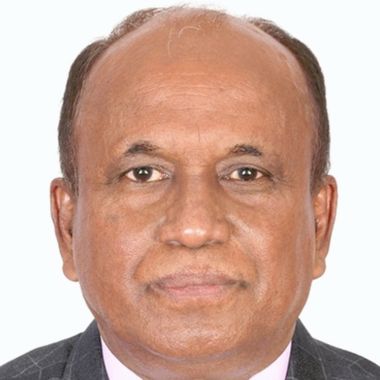
Speakers

Prof. Mohammed Bin Kashem PhD

Parallel Workshops
Research on returning prisoners and their reintegration into society is virtually absent in Bangladesh. Prison data reveal that over 15,000 prisoners are released each year. However, in the absence of sufficient in-prison and post-release rehabilitative programs, they face many barriers to reintegrating into society. This study aims to identify the challenges associated with the reintegration of returning prisoners. A qualitative case study method consisting of in-depth interviews has been chosen for data collection. A total of 45 respondents, comprising 30 ex-offenders who had been released from prison within the past 3 years, 5 prison officials, and 10 private sector employers (including business owners, garment industry workers, construction workers, transport sector employees, and service industry workers), were recruited for interviews. Prison officials were selected to gain an understanding of practitioners' perceptions of the challenges associated with prisoner re-entry. Interviews with ex-offenders suggest that they had little opportunity to learn marketable skills and work experience when serving their prison sentences. Prison officials reported that government funding for in-prison rehabilitative programs is not sufficient while post-release services are inadequate in preparing prisoners with the necessary skills to obtain employment. Though most employers support the idea of prisoner reintegration, they are reluctant to hire ex-offenders, which could assist them in the reintegration process. In sum, a low level of education, a lack of occupational skills, inadequate in-prison rehabilitation programmes, and the unwillingness of employers to hire ex-offenders are the key barriers to the successful transition from prison to community.