Speakers

Muhammad Ali Equatora M.Si.
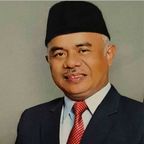
Dr. Hadiyanto Abdul Rachim M.I.Kom.
Parallel Workshops
The study identifies several effective strategies, including empathetic communication, individualized behavioral guidance, and the integration of social support networks within and beyond the correctional environment. However, the study also highlights key obstacles, including limited human resources, inconsistent program structures, and insufficient psychological training among counselors. These limitations often hinder the consistency and depth of intervention outcomes. The study concludes that a comprehensive model of correctional counseling rooted in humanistic and behavioral principles and aligned with well-being theory can significantly enhance the psychosocial development and reintegration readiness of child inmates. This research contributes to the broader discourse on correctional social work by presenting an empirically grounded model for fostering child well-being in custodial settings, offering policy implications for correctional reform and social rehabilitation programs in Indonesia.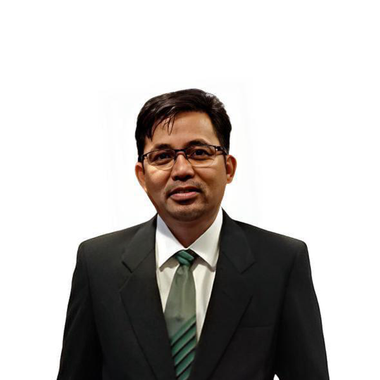
Dr. Muhammad Ali Equatora, A.Ks., M.Si., CIIQA., is an Associate Professor in Social Work at Politeknik Imigrasi dan Pemasyarakatan Indonesia with expertise in correctional social work and legal development. He serves as Head of the Community Guidance Department at Politeknik Pengayoman Indonesia from 2025 to 2026 and has previously held the position of Vice Director for Academic Affairs at Politeknik Ilmu Pemasyarakatan from 2023 to 2025. He is also the Chairperson of the Indonesian Association of Justice System and Correctional Social Workers (APSOSPEKSI).
Dr. Equatora has extensive professional experience within the Indonesian correctional system, beginning his career as a civil servant and serving in various roles, including correctional social worker, structural officer, and academic lecturer. Since 2016, he has been actively engaged as a permanent lecturer, contributing to the development of education and training in correctional sciences.
In the academic field, he is a prolific researcher with numerous publications in national and international journals, many of which are indexed in reputable databases such as Scopus. He is also actively involved as an editor and reviewer for various international scientific journals published by leading publishers.
Through his academic, professional, and organizational roles, Dr. Muhammad Ali Equatora continues to contribute significantly to the advancement of social work practice, particularly in the field of correctional services and justice systems.
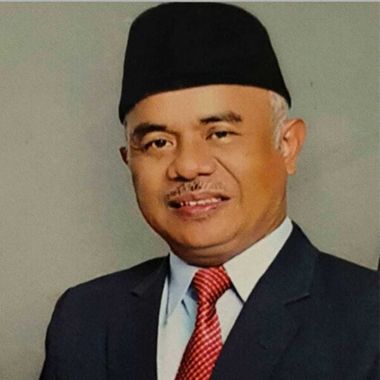
Dr. Hadiyanto Abdul Rachim, S.Sos.,M.I.Kom., is an Associate Professor in Social Welfare at Department of Social Welfare, Faculty of Social and Political Science, Padjadjaran University, Indonesia. with expertise in correctional social work and legal development.
Dr. Hadiyanto Abdul Rachim, S.Sos.,M.I.Kom has extensive professional experience within the Indonesian correctional system, beginning his career as a civil servant and serving in various roles, including correctional social worker, structural officer, and academic lecturer. Since 2016, he has been actively engaged as a permanent lecturer, contributing to the development of education and training in correctional sciences.
In the academic field, he is a prolific researcher with numerous publications in national and international journals, many of which are indexed in reputable databases such as Scopus. He is also actively involved as an editor and reviewer for various international scientific journals published by leading publishers.
Through his academic, professional, and organizational roles, Dr. Hadiyanto Abdul Rachim, continues to contribute significantly to the advancement of social work practice, particularly in the field of correctional services and justice systems.
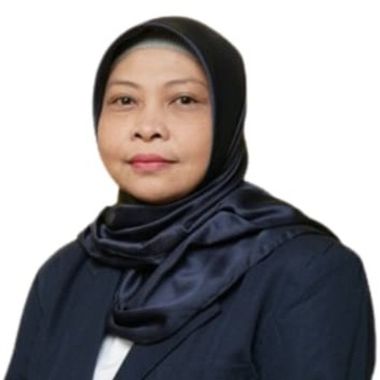
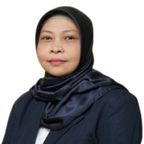
Dr. Eva Nuriyah Hidayat, S.Sos., M.Si., is an Associate Professor in Social Welfare at Department of Social Welfare, Faculty of Social and Political Science, Padjadjaran University, Indonesia. with expertise in correctional social work and legal development.
Dr. Eva Nuriyah Hidayat, S.Sos., M.Si. has extensive professional experience within the Indonesian correctional system, beginning his career as a civil servant and serving in various roles, including correctional social worker, structural officer, and academic lecturer. Since 2016, he has been actively engaged as a permanent lecturer, contributing to the development of education and training in correctional sciences.
In the academic field, he is a prolific researcher with numerous publications in national and international journals, many of which are indexed in reputable databases such as Scopus. He is also actively involved as an editor and reviewer for various international scientific journals published by leading publishers.
Through his academic, professional, and organizational roles, Eva Nuriyah Hidayat, S.Sos., M.Si. continues to contribute significantly to the advancement of social work practice, particularly in the field of correctional services and justice systems.