Speakers

Parallel Workshops
In Chile, as in many parts of the world, the population deprived of liberty has sharply increased, particularly among women. This rise stems from stricter drug penalties and punitive populism's embrace of fast-track “anti-crime” policies. A significant gendered consequence for incarcerated women is the hindrance of motherhood: 90% of these women are mothers, often the primary caregivers, lacking support networks. When imprisoned, some feel compelled to bring their babies, as Chilean regulations allow children up to 2 years old. However, most women serve 3 to 5-year sentences. This article, through interviews with women in mother-child units, explores the impact of sharing prison time with their children in an increasingly punitive climate, where sentences lengthen without access to benefits or alternatives. Key findings include: 1. The complexities of being imprisoned with children, focusing on their desistance process. 2. Gender and class-based institutional violence intensified for marginalized women. 3. Stigmatization and weak external support networks. 4. High anxiety over punitive measures and time's passage. 5. Trauma during separation transitions. 6. The significant mental health consequences.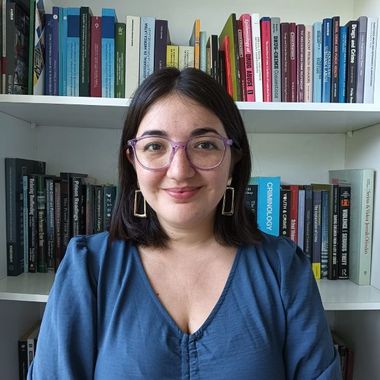
Victoria Osorio is a sociologist from the Pontificia Universidad Católica de Chile. She holds a diploma in Gender Theories, Development, and Public Policies from the Universidad de Chile, and is currently a researcher at the Center for Justice and Society Studies at UC. Her professional career has focused on issues related to justice, criminology, the penitentiary system, and working with incarcerated populations, particularly women in prison. Recently, she was part of a study on the life trajectories of women incarcerated for drug-related offenses, and she is in the process of publishing an article on the experiences of incarcerated mothers and their children in a maternal-child unit in Chile.