Speakers

Parallel Workshops
This presentation examines the growing need for collaborative and culturally informed reintegration approaches for Indigenous individuals impacted by incarceration. Focusing on the intersections between corrections, child welfare, mental health, addiction, and intergenerational trauma, the presentation explores how fragmented systems can contribute to ongoing family separation, cultural disconnection, and barriers to rehabilitation and reintegration.
The session highlights the potential role of First Nations communities, families, Elders, and community-based supports in strengthening rehabilitation pathways, preserving parent-child relationships, supporting cultural reconnection, and improving long-term reintegration outcomes. Drawing from lived experience and frontline community work, the presentation will also discuss real-world examples of collaborative practices involving correctional institutions, healthcare systems, child welfare agencies, and Indigenous communities working together in the best interests of children, families, and community wellbeing.
The presentation encourages broader discussion around relationship-based and community-centered approaches that move beyond institutional responses alone and instead prioritize healing, continuity, collaboration, and culturally informed reintegration strategies.
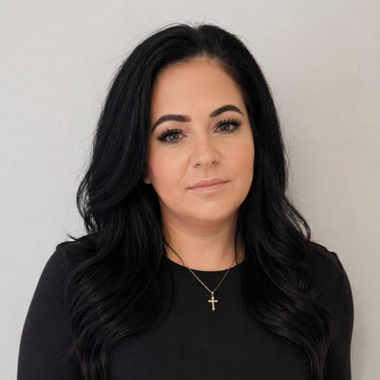
Sherri Gordon, B.A. Human Justice, is the Co-Founder and Community Justice & Reintegration Advocate of Integrated Justice Collective Canada Inc., a Canadian nonprofit organization focused on justice advocacy, reintegration support, and community collaboration for individuals and families impacted by incarceration. She is also a Certified Independent Gladue Writer and previously worked as a First Nations Representative within a First Nations community, where she witnessed firsthand many of the systemic barriers impacting Indigenous individuals and families, including child welfare involvement, incarceration, addiction, mental health challenges, family separation, and intergenerational trauma.
In addition to her professional experience, Sherri brings lived experience as the wife of an Indigenous man serving a life sentence while actively pursuing a wrongful conviction case. Drawing from both professional and lived experience perspectives, her work focuses on strengthening collaboration between institutions, Indigenous communities, families, and community support systems to improve reintegration outcomes, support healing and cultural connection, and promote safer, healthier communities.