Effective human resource management is crucial to the success of Türkiye’s criminal justice system. This system relies on skilled and ethical professionals, including judges, prosecutors, police officers, and prison staff, to ensure justice and maintain public trust.
Key HR strategies in Türkiye’s criminal justice system include:
Recruitment: The recruitment process is rigorous, involving public exams and background checks to ensure fairness and merit. Emphasis is placed on diversity, making the system more inclusive and representative. However, attracting qualified professionals to rural or underserved areas remains a challenge.
Training & Development: Continuous professional development is prioritized, with tailored training programs in criminal law, human rights, and emerging fields like cybercrime. Modern technology, including e-learning, is utilized to make training more accessible.
Performance Management: Employees are regularly assessed based on their performance, using both qualitative and quantitative measures. This system helps identify areas for improvement while maintaining high standards of accountability and efficiency.
Retention: Retaining qualified professionals is supported by offering competitive salaries, job stability, and career growth opportunities. Additionally, wellness initiatives and stress management programs help combat burnout and improve job satisfaction.
These strategies are designed to ensure that Türkiye’s criminal justice system remains effective, ethical, and adaptive to the evolving needs of society. The focus on employee well-being and professional growth is essential for long-term success and a fair judicial system.
Moderated by Ezgi Çetintürk
×
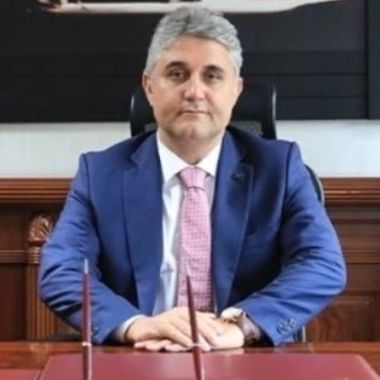
Cem KARACA
Deputy Secretary General, Council of Judges and Prosecutors (HSK)
Born in Ankara in 1977. He completed his primary education at Kuyubaşı Primary School and his secondary education at Kalaba Secondary School. He graduated from Ankara High School in 1994 and from Ankara University Faculty of Law in 1998. Between 2001 and 2003, he pursued his master’s degree at Gazi University,Institute of Social Sciences, Department of Public Law, and completed his thesis in 2003.
He began his professional career as a Judge-Prosecutor Candidate in Ankara. He subsequently served as a judge in Divriği (Sivas), Eynesil (Giresun), Batman, and Küçükçekmece (İstanbul), and later as a Judge at the Istanbul Courthouse and as President of the Istanbul High Criminal Court. In 2019, he was appointed as a Member of the Bakırköy First Instance Judicial Justice Commission.
In September 2023, he was appointed as Deputy Secretary General of the Council of Judges and Prosecutors (HSK), a position he currently holds. He is married and has two children.