The visibility of prisoners with disabilities is increasing worldwide, yet justice systems continue to struggle with accurate identification, meaningful support, and effective rehabilitation. With growing global momentum for reform, now is the time to rethink how justice systems engage with disability.
Backed by global research occurring with support from the Winston Churchill Trust, this presentation will deliver a thought-provoking exploration of international Disability Justice models, offering fresh insights into how custodial settings can embed humane, inclusive practices aligned with the Nelson Mandela Rules.
Drawing on findings from the Australian Disability Royal Commission, this session will uncover systemic failures that prevent equitable treatment in justice settings - from ineffective screening and identification processes to the evidence of disproportionate use of solitary confinement. Queensland’s reform efforts will be highlighted, alongside global perspectives that help shape practical solutions for disability-inclusive justice.
This session is more than an exploration of policy - it’s a call to action for justice professionals, advocates, and policymakers to drive meaningful change. Through a collaborative and solutions-focused dialogue, we will examine key barriers, share best practices, and move beyond outdated approaches to incarceration and rehabilitation for individuals with disabilities.
Join us as we reimagine disability-inclusive justice and work toward a system that challenges outdated thinking and culture, while prioritising dignity, meaningful support, and effective intervention.
Moderated by John May, Special Advisor, Healthcare Network, ICPA, United States
×
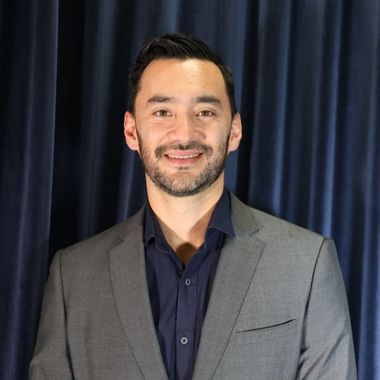
Daniel Pollock
Statewide Manager, Queensland Corrective Services, Australia
Daniel Pollock believes justice systems should provide a unique opportunity for meaningful change. The increasing number of people with disabilities in these systems highlights the need to reconsider traditional incarceration models, which often fail to address the specific challenges faced by this cohort or equip them with skills to reduce recidivism.
After a longstanding career committed to complex human services, including child protection, youth justice, forensic disability and mental health – Daniel is now at the helm and leading transformative change for Queensland Corrective Services (QCS) for incarcerated individuals with a disability. As Manager of QCS Disability Services and drawing on his background in front line practice, specialist advisory roles and systems reform, Daniel is exploring new approaches and models to change culture and thinking about disability within custodial settings.
Daniel holds a Bachelor of Psychology and Business Management from the University of Queensland, followed by postgraduate studies in Criminology (Forensic Disability) at the University of Melbourne.
In 2024, his dedication to advancing disability justice earned him a Winston Churchill Trust Fellowship, allowing him to travel internationally and examine global models and best practices within disability justice. Through his research and international engagements, Daniel is developing an evidence-based framework to ensure that people with disabilities who encounter the justice system receive tailored, informed, and best-practice support. By integrating academic theory with real-world experience, he is driving progressive change that will shape policies and practices in Queensland, ensuring justice systems are more inclusive and responsive to diverse needs.