Neurodivergent juveniles, encompassing those with autism, ADHD, dyslexia, and other cognitive conditions, are having an unfair share in the juvenile justice system, and they face significant challenges within correctional settings. Conventional punitive approaches often fail to address their specific needs, exacerbating re-traumatization and increasing recidivism risks. This research emphasizes the necessity of desensitization focused, trauma-informed, as well as neurodiversity-aware practices to mitigate re-traumatization and foster effective rehabilitation. By reviewing literature and evidence-informed practices, the study explores the desensitization strategies that are being adapted in trauma-informed care tailored to sensory, cognitive, and behavioral characteristics of neurodivergent youth. Conducted to 56 individuals within the spectrum of neurodivergence, between the age of 14 to 21 years, a multidisciplinary framework is applied through a developmental phase model, examining a multitude of biopsychosocial responses to trauma within correctional environments. Key recommendations include creating safe, structured, and predictable settings, reducing sensory triggers, and eliminating practices that may inadvertently re-traumatize. Specialized staff training on neurodiversity and trauma-responsive techniques is critical to fostering empathy, effective communication, and support. Additionally, systemic reforms are advocated, including standardized guidelines, increased funding for training and resources, and oversight to ensure policy efficacy. This research calls for a shift from punitive models to compassionate, evidence-based practices grounded in human rights principles as well as a growing discourse for more justifiable and humane approaches. It is essential in addressing the unique needs of neurodivergent juveniles, reducing recidivism, and promoting successful rehabilitation and reintegration, ultimately contributing to safer, more inclusive communities.
Moderated by Kevin Wright, Co-chair, Research and Development Network, ICPA, United States
×
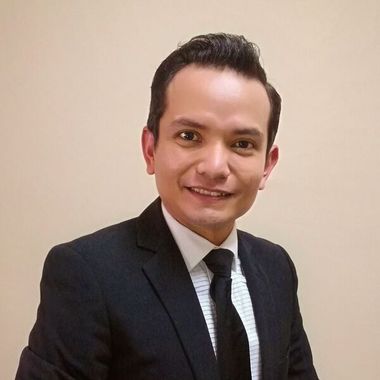
Sayed Mawismi Sayed Mohamad Mustar
Senior Associate Social Development Officer, Department of Social Welfare, Malaysia
With a background in Social Work, Psychology and Disability Studies, Sayed has been a practitioner for more than 15 years in the Correctional field both in institutionalized and community-based settings. Focusing on rehabilitation services for youths aged 14 to 21, he has been handling individual and family intervention, initiating community integration, managing, and delivering rehabilitation programs, and involving directly in policy making. He is currently integrating interdisciplinary knowledge of Adolescence Psychology, Criminology and Disability Studies in doing research on Youth Justice Systems, especially for youths with cognitive and intellectual impairments.
Sayed has been invited to be a panel in developing National Youth Rehabilitation Policy, specifically in drafting the Standard Operating Procedures for Community Services under Department of Social Welfare, focuses on children and youths conflicting with laws. He has been selected as Supervisor for delivering Community Services programs since 2017. He is also being elected as an auditor for Community Services implementation standard in 2018 and 2019. At the same, he is entrusted in addressing talks and sharing sessions focusing on the issues of Youth Correctional Settings as well as Neurodiversity in Malaysia and was invited by Malaysia Human Rights Commission to be one of the panelists to review on reintegration program of released prisoners to be integrated in the community. With relevant experience, he acquires an interest in becoming a researcher, emphasizing the development of proper, justifiable and effectual programs specifically on juvenile, those within neurodevelopmental divergent groups and people with disabilities within the justice system.