Speakers

Kumsa Gutteta Metta

Parallel Workshops
This presentation examines the practical challenges of prison overcrowding and increasing prisoner complexity in Ethiopia, with a focus on sustainable, rights-based responses. It identifies prolonged pre-trial detention as a major driver of prison population growth, often caused by delays in investigation, prosecution, repeated adjournments, limited legal aid, and weak case-tracking systems. Many detainees remain in custody for extended periods before trial, placing severe pressure on already limited prison capacity.
The presentation also highlights the growing complexity of prison populations, including mental health needs, substance use disorders, chronic illness, disability, trauma, poverty-related vulnerabilities, and reintegration barriers. These challenges are intensified by shortages of psychologists, social workers, healthcare staff, and specialized case managers.
Drawing on empirical research, lived experience, and institutional partnerships, the session highlights ongoing collaboration between civil society and the Ethiopian Federal Prison Commission to improve admission screening, population management, sanitation, separation practices, and rehabilitation opportunities. It argues that prison expansion alone cannot solve overcrowding. Instead, lasting reform requires stronger alternatives to imprisonment such as bail reform, probation, parole, community service, restorative justice, and diversion mechanisms. It also emphasizes the value of Ethiopia’s traditional dispute resolution systems when supported by safeguards and coordination with formal justice institutions.
The session offers practical, evidence-informed lessons for low-resource jurisdictions seeking to move from crisis management toward humane, efficient, and resilient correctional systems.
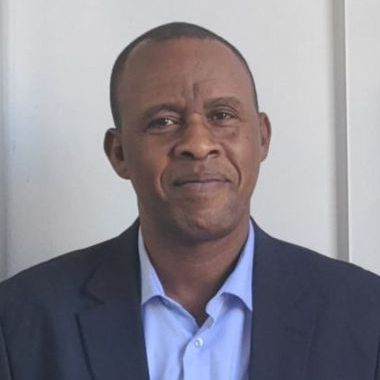
Mr. Kumsa Gutteta is a highly experienced criminal justice reform expert currently serving as Executive Director of the Center for Justice-Ethiopia. With over 16 years of experience working within the Ethiopian criminal justice system, he has successfully managed more than 50 projects dedicated to strengthening the rule of law and promoting human rights. Crucially, his advocacy is deeply informed by his own lived experience as a former prisoner, providing him with a profound, ground-level understanding of prison conditions and the realities of the penal system. Throughout his career, Mr. Gutteta has demonstrated exceptional leadership in implementing complex projects within prison settings. He has successfully cultivated strong relationships and earned the trust of government officials, penal administrators, and justice sector stakeholders. This trust, combined with his technical grasp of the legal regimes governing prisoners, makes him an invaluable asset for policy-level engagement, systems strengthening, and scaling up ongoing justice reform efforts. Mr. Gutteta has extensive experience partnering with international donors and organizations, including the European Union, the French and Canadian Embassies, Multi-Donor Trust Funds, DKA Austria, the Open Society Foundations, Civil Rights Defenders, UN Women, UNODC, UNESCO, the International Republican Institute (IRI), and Freedom House, among others.