Speakers

Moses Cyril Ngawaite Chihobvu

Ison Ndoro MSc

Workshop Session
The Zimbabwe Prisons and Correctional Service (ZPCS) developed better approaches to incarceration, rehabilitation and reintegration in enabling desistance to create safer societies. The motivation of development of these approaches that seek to address recidivism by ZPCS was necessitated by challenges of overcrowding, dietary constraints, recidivism and health related insecurities. The Zimbabwean correctional system is premised on incarceration, rehabilitation and successful reintegration. Therefore, desistance becomes the desired outcome of incarceration and rehabilitation practices in the ZPCS. Desistance is enabled through the provision of effective rehabilitation of inmates for their successful reintegration back into societies. This was necessitated by ratifying international protocols and conventions that advocated for minimum standards on treatment of offenders. Thus, ZPCS is constitutionally mandated to implement such protocols and conventions to protect society from criminal elements through incarceration and rehabilitation of offenders for successful reintegration. In addition, behavioural and psychological intervention approaches address the root causes of criminal behavior and provide inmates with the tools and resources essential for successful reintegration. The skills acquisition approach introduces programs and initiatives aimed at helping offenders develop job related skills and other capabilities that improve prospects of successful reintegration. This encompasses correctional industries in the ZPCS to promote employability and economic stability of ex- inmates, a dimension that inform smooth reintegration into the society. Prison Employment Programs support the wellbeing of inmates to cater for their families whilst serving. Overall, enabling desistance requires multifaceted and systematic approaches that calls for robust collaboration and partnerships, conformity and alliance with international best practices.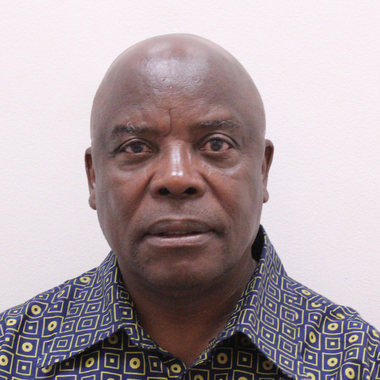

Ison Ndoro is a Rehabilitation Officer with the Zimbabwe Prisons and Correctional Services (ZPCS). In this role, he is actively involved in coordinating rehabilitation programs within correctional facilities, facilitating correctional treatment, reintegration, and community engagement programs. Ison’s academic background includes a Master’s degree in Forensic Psychology and Victimology, a BSc Special Honors in Psychology, a BSc in Psychology, a Post Graduate Diploma in Development Studies, and a Diploma in Education. Additionally, he holds certificates in Addiction Treatment, Psychological First Aid, Systemic Family Therapy, Cognitive Behavioral Therapy, and UN Quality Rights, among others.
His research work includes published studies on the effectiveness of correctional treatment and unpublished papers on the etiology of sex offending and treatment, treatment of young violent offenders, and drug and substance use disorders treatment. Ison is a registered a Forensic Psychologist with the Allied Health Practitioners Council of Zimbabwe, and is passionate about improving the capacity of human beings and helping them achieve optimal functionality in all aspects of their lives.

Nokuthula Wutta is a rehabilitation officer and an early researcher with the Zimbabwe Prisons and Correctional Service (ZPCS). As a social worker and facilitator for the Peace Education Program, she plays a vital role in supporting the rehabilitation and reintegration of offenders. Nokuthula has a strong academic background, having majored in conflict resolution and restorative justice. She holds a master's degree in these fields, which has equipped her with deep expertise in addressing the complex challenges faced by offenders.
In her role with the ZPCS, Nokuthula is committed to researching effective programs, strategies and innovative approaches to support offenders in addressing the root causes of their criminal behavior and preparing them for a successful return to their communities. As a respected rehabilitation officer Nokuthula’s work has been invaluable in shaping the policies and practices of the ZPCS. Her dedication to offender rehabilitation and reintegration has made a tangible difference in the lives of countless individuals, helping them to break the cycle of recidivism and rebuild their lives.