Singapore's multicultural society presents unique opportunities for implementing restorative justice practices in correctional settings. This paper examines the adaptation of Family Reentry Circles (FRCs) within Singapore's prison system, highlighting how cultural sensitivity and linguistic diversity shaped this family-centred reintegration intervention based on Hawaii's Huikahi Restorative Circles model.
Unlike Western models focusing on nuclear families, Singapore's multicultural context required recognising extended family networks, including siblings, in-laws, and chosen family members. Cultural values influenced family dynamics, with some Chinese-speaking families described as "not those who talk about their feelings," requiring facilitators to create culturally respectful spaces for emotional expression.
The FRC brings pre-release individuals and family members for collaborative reentry planning. While aligned with Huikahi principles emphasising healing relationships, Singapore's adaptation required cultural modifications for relevance across Malay, Chinese, Indian, and other communities. The pilot involved 24 circles across multiple facilities using mixed methods evaluation. Results demonstrated improvements: 91% of supervisees reported confidence in receiving family support, with all reporting enhanced ability to share concerns without judgment. Family members showed improvements: 97% reporting enhanced communication and 93% feeling closer post-intervention. Supervisees' confidence in conflict resolution increased from 42% to 100%.
Qualitative feedback found participants noting improved communication and proper apologies, demonstrating forgiveness's centrality in Asian relationships. Singapore's family definition included prison officers and community workers, reflecting collectivistic support approaches.
Cultural adaptation addressed challenges around shame, "saving face," and hierarchical relationships. Findings demonstrate successful Huikahi adaptation prioritising cultural responsiveness, illustrating how restorative justice practices benefit from embracing diversity rather than imposing uniform approaches.
×
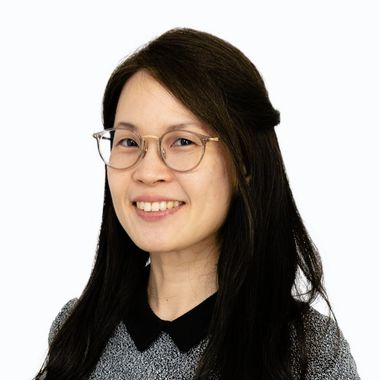
Valerie Goh
Principal Correctional Rehabilitation Specialist, Singapore Prison Service, Singapore
Valerie Goh currently serves as a Senior Assistant Director in the Community Corrections Command of the Singapore Prison Service (SPS), where she leads a branch that oversees the case management and supervision of persons on the Mandatory Aftercare Scheme. Evidence-informed rehabilitation features in initiatives she leads that bridge the gap between correctional research and practice, with a view of keeping the human element of rehabilitation at the forefront. This includes the importance of a desistance-supportive approach in Community Corrections which has the twin foci of personal transformation and establishing an ecosystem of social and community support.
Valerie’s two decades of experience in SPS include the areas of direct practice, management, and policy and planning. Her contributions include shaping SPS's assessment framework policy and correctional rehabilitation planning, as well as developing frameworks and programmes for correctional professionals and community partners. Valerie has an MA in Applied Psychology.
×

Salina Samion
Deputy Director (Psychological and Correctional Rehabilitation Division) / DD PCRD, Singapore Prison Service, Singapore
Ms Salina Samion is a counselling psychologist with 20 years’ experience working with the offender population. She headed the Psychological Programme Development Branch and led the development of various evidence-based programmes in Singapore Prison Service (SPS), including the first gender specific intervention for female offenders. She also helmed CNB Psychological Unit and pioneered the core skills training in effective supervision for CNB officers, that contributed to evidence based informed drug supervision. Salina co-led the MHA Office of Chief Psychologist drug workgroup that aims to support Singapore’ approach in drug prevention and rehabilitation through research and evidence.
Salina has published and presented at local and international conferences, including the UNODC where she represented Singapore at the Informal Technical Consultation: Principles for Treatment and Care of People with Drug Use Disorders in Contact with the Criminal Justice System: Alternatives to Conviction or Punishment. She is currently Deputy Director of the Psychological and Correctional Division that oversees the correctional research and evaluation, programme design and implementation at SPS.