Unexpected deaths in custody remain persistent in custodial settings. Current prevention strategies and interventions are centred around the leading cause of death, self-harm and suicide. The inclusion of unexpected deaths in custody not related to self-harm and suicide highlights the need for efforts to co-design prevention strategies for such deaths.
The focus of this study on Australia, Canada and New Zealand highlights the persistent and sustained over representation of First Nations peoples in carceral systems and strengthens the evidence around the need for culturally appropriate therapeutic initiatives. Our synthesis included upstream strategies and procedural approaches, as well as perspectives from those with lived experience of incarceration, correctional staff and emergency physicians. Peer support programs have potential to reduce deaths from self-harm or suicide. Such programs must include clear objectives, sustainable resourcing, and provide net benefits to both individual ‘at risk’ who receive support and the peers who provide that support.
Our findings underscore the importance of evaluating the effectiveness of prevention strategies to reduce unexpected deaths in custody. Previous evaluations, although scarce, have shown the adoption of effective psychiatric practices can reduce suicide related deaths in custody. In the absence of such evaluations, it is unclear whether current efforts are achieving their intended outcomes. Of concern is the dearth of evidence or policies around other causes of deaths. In this context, training to frontline staff and building cross sectoral communication to better meet the needs of emergency healthcare in custodial settings is crucial and requires sustainable investment.
Moderated by Mariana Martin, Deputy Commissioner-General: Rehabilitation and Reintegration, Namibian Correctional Service, Namibia
×

Dr Jo Taylor
Postdoctoral Research Fellow, University of Newcastle, Australia
Dr Jo Taylor is a dedicated Postdoctoral Research Fellow at the University of Newcastle. She is a highly accomplished mixed methods, public health specialist who has made significant contributions to improving the health outcomes and wellbeing of vulnerable populations and communities, including Aboriginal women in contact with the criminal justice system. Dr Taylor’s research is distinguished by her multidisciplinary and collaborative partnering with government and non-government organisations, Aboriginal Community Controlled Health Organisations, consumer groups and community. Her research centres on critical issues such as health equity and access, co-design, models of service delivery, health systems, innovative care models, prevention strategies, implementation, effectiveness and evaluation. Dr Taylor's research has led to significant improvements in healthcare practices and policies, particularly for vulnerable populations, through innovative public health strategies and collaborative projects. Collaborating with esteemed partners such as the Justice Health and Forensic Mental Health Network, Corrective Services NSW, Cancer Council NSW and Cancer Council Victoria. Jo's research delivers high-quality, tangible outcomes that impact communities and healthcare systems. Dr Taylor has also made contributions to the Global Burden of Disease studies that informs future policy, resource allocation and health systems planning.
×
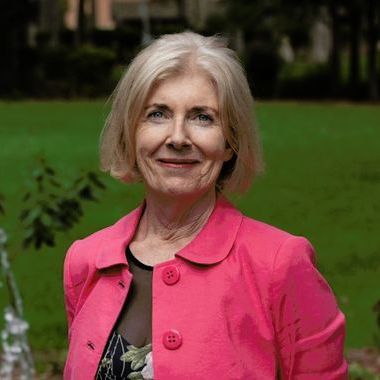
Professor Elizabeth Sullivan
Clinical Research Lead in Custodial Health | Professor of Equity and Health, Justice Health and Forensic Mental Health Network | The University of Newcastle, Australia
Professor Elizabeth Sullivan is an accomplished public health physician, medical epidemiologist, and executive leader with extensive academic and professional qualifications. She holds degrees in medicine and public health from the University of Sydney and UNSW and has completed advanced leadership and management training. Professor Sullivan is a Fellow of the Australasian Faculty of Public Health Medicine and the Epidemic Intelligence Service at the CDC in the USA.
Professor Sullivan is particularly passionate about equity, diversity, and inclusion. Her strategic leadership in health services research has focused on improving healthcare in custody, addressing the criminalization of poverty, and advocating for women in prison. Working as the Clinical Research Lead Custodial Health, Senior Staff Specialist, Professor Sullivan has a strategic leadership role in Custodial Health Research and is a research leader on NHMRC, Justice Health and CSNSW projects. Currently, she is leading various JHFMHN projects on deaths in custody, oral health in juveniles, management of methamphetamine use, and a scoping project on IPV; and NHMRC-funded culturally safe care for Aboriginal women in custody, evaluation of new mother & children program & transitional care programs. She is the Acting Chair of the Corrective Services NSW Women’s Advisory Panel and a medical Member of the Corrective Services NSW Ethics Committee. She has been awarded over 21 M with 280+ publications and reports and has a track record of delivering impactful research.
×
Dr Tazeen Majeed
Senior academic and researcher, University of Newcastle, Australia
Dr Tazeen Majeed is committed to transforming healthcare for vulnerable populations through research, education, and policy advocacy. Her work addresses systemic barriers in healthcare access, with a focus on reforming correctional health programs and supporting marginalised groups, including women, youth, and justice-involved populations. Collaborating with national and international experts, Dr Majeed's research aims to inform policy discussions, contributing meaningfully to health equity initiatives. Central to her research approach is the co-design of healthcare solutions for people involved with justice systems—engaging communities to ensure that interventions are inclusive, culturally responsive, and sustainable.