The integration of arts programmes within prisons offers a multidisciplinary approach to rehabilitation, supporting personal development, wellbeing, and social reintegration. The Prison Arts Foundation (PAF), established in 1996 and operating in partnership with the Northern Ireland Prison Service (NIPS), delivers arts-based residencies across custodial and community settings, engaging participants through visual arts, creative writing, ceramics, and music. These interventions extend beyond creative expression, fostering self-reflection, improving mental health, strengthening pastoral support, and encouraging cognitive and behavioural change. As an embedded component of prison life, arts participation contributes to the development of more effective and rehabilitative prison systems.
A collaborative model involving government agencies, academic institutions, communities, and people with lived experience can maximise these benefits by promoting agency, informing policy, and supporting meaningful dialogue. Collectively, such approaches have the potential to reduce recidivism and violence, facilitate successful reintegration, and strengthen post-release support networks, positioning prison systems as spaces of rehabilitation and positive social transformation.
×
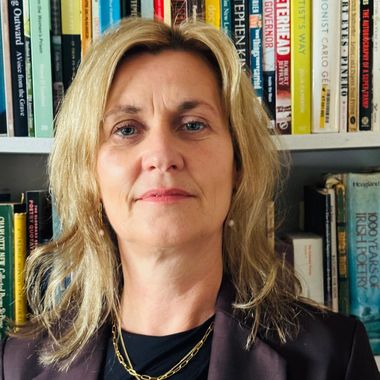
Pamela Mary Brown
Writer-in-Residence (Prison Arts Foundation), Prison Arts Foundation, Northern Ireland
Pamela Mary Brown BA (Hons.) English Literature & Creative Writing (OU); MA Creative Writing (Distinction, Teesside University); Writer-in-Residence at HMP Magilligan; Editor of Time In prison magazine and co-editor of All In cross-border prison magazine she is a 2023 Pearson Silver Award winner for Further Education Lecturer of the Year. Brown is the author of The Transformative Way: Creative Prison Writing with Resources (SPA Cottage Publishing, 2024) and Creative Writing Programme Director at PAF’s Community Support and Braille Hub in Belfast. Brown merges her artistic practice with social engagement, emphasising the power of narrative, both in personal catharsis and collective empowerment. With 15+ years of prison workshop experience, her programmes have earned prisoner writers 307 awards (2014–2025) from organisations including Koestler Arts, Listowel writers’ Week, Arkbound Foundation, The Reading Agency and Prison Reform Trust.
×
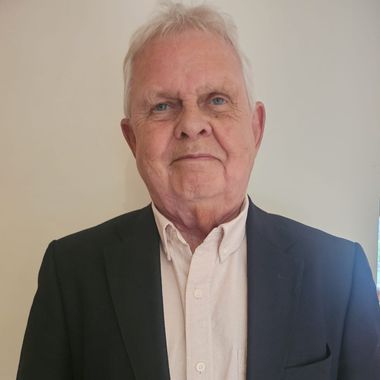
Fred Caullfield
Executive Director, Prison Arts Foundation, Northern Ireland
A retired Prison Governor and current Executive Director of PAF, Caulfield advocates for arts-based rehabilitation, after witnessing first-hand the transformative power of the arts during his career with NIPS. He emphasises “outcomes over attendance” and while under his leadership, PAF’s programmes—led by Artists in Residence—have reduced isolation, improved mental health, and supported post-release livelihoods through art. PAF’s family-inclusive initiatives, such as collaborative art sessions during visits and public exhibitions, further challenge “prisoner” stigma, advocating the arts as a catalyst for safer communities and personal change using the arts to foster self-expression, self-reflection, reduce recidivism, and rebuild family ties.
×
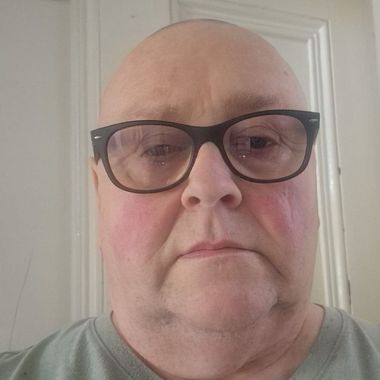
Liam Kelly
Artist, Prisoner Arts Foundation, Northern Ireland
A former prisoner and Belfast-born writer, Kelly’s work explores the socio-political turbulence of Northern Ireland’s Troubles. His writing career began in prison, where he discovered poetry and storytelling as a means of coping with trauma and articulating his lived experiences. Mentored by Pamela Brown, he developed a poetic voice blending dark humour and visceral imagery. His memoir, Memoirs of a Belfast Boy (2023), and poetry collection, Dragged Up Through the Troubles (2022), reflect personal catharsis and the liberating power of prison arts. His creative process exhibits a commitment to authenticity, with prison walls paradoxically becoming a space of mental liberation when engaged with creativity: “I didn’t see the walls closing in... I just felt free.” Kelly remains a vocal advocate for arts in prisons.