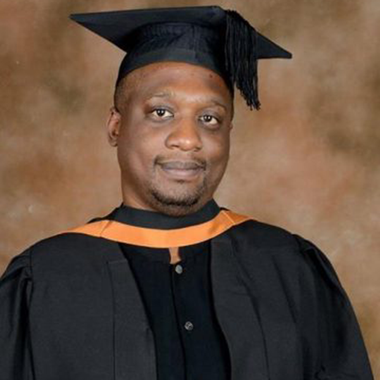
Speakers
Workshop Session
In the South African context, the concept of rehabilitation is central to the day to day running of South African correctional centres. Offenders serving various sentences are geared towards programmes that promote rehabilitation based on the various crimes committed in an effort to reintegrate them back into their societies without reverting to crime. Upon consideration for parole the various parole boards grant parole to citizens and non-citizens with supervision conditions. In essence rehabilitation is geared towards early reintegration into society and eventual desistance. However, illegal foreigners are granted parole for the sole purpose of deportation back to their respective home countries. Upon deportation, there is a lack of a monitoring system in the home countries of the offenders, and this has a significant impact not only on the process of rehabilitation and reintegration, but also recidivism and therefore desistance. Even in the presence of a monitoring system, some non-citizen offenders would reoffend in any event as they have not been adequately prepared to be reintegrated into the society that they are being deported to. Deportation has various impacts such as social dislocation and is a form of forced migration. Forced migration is therefore a contributory factor to recidivism and a major stumbling block to desistance. This presentation looks at some of the stumbling blocks to desistance for deported offenders from South Africa. The presenter will offer suggestions on how to address some of the problems from a South African and international perspective through a crimmigration and social disorganization framework.