A number of countries allow voting in elections among at least some incarcerated individuals. But what are the benefits of doing so? To what degree do prisoners actually participate? What tactics work to overcome institutional obstacles, motivate prisoners to engage, and educate them sufficiently to make informed decisions? And beyond that, how do you bring their voices and opinions out of prison to the officials they now help elect?
In this workshop, Pam Bailey, co-founder of More Than Our Crimes (MTOC), a nonprofit dedicated to lifting up the voices of individuals incarcerated in U.S. federal prisons, will review what is known about the extent to which voting privileges are granted to and exercised by incarcerated individuals worldwide, then go in depth regarding the experience of Washington, D.C.
D.C. faces several unique challenges, including far-flung prisons and the cultural/socioeconomic profile of its prisoners: Most D.C. prisoners are African American and grew up in low-income, disenfranchised neighborhoods—communities that have historically low voter registration rates, an attitude they have carried into prison.
Pam will describe the coalition her organization formed, their efforts to get the Bureau of Prisons to cooperate, and their work to both educate and motivate individuals behind bars to take advantage of this right of citizenship. Finally, she will describe the results achieved in the first round (2022) and the lessons learned.
×
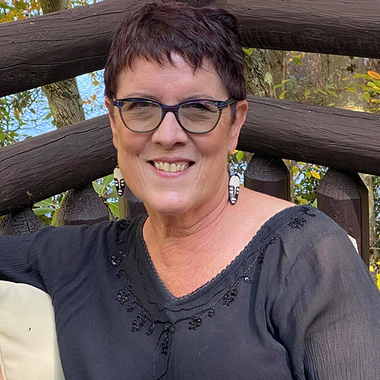
Pamela Bailey
Co-Founder, More Than Our Crimes, United States
Pamela Bailey believes in harnessing the power of storytelling, particularly by the oppressed themselves, to change social stereotypes and prejudices. She began her career as a crime reporter for the Chicago Tribune. and today is director of communications for People Powered, a global nonprofit that promotes participatory democracy - practices such as citizens' assemblies that extend people's power to influence government decisions beyond elections. Pam also co-founded More Than Our Crimes, which advocates for Americans held in federal prison through a website, blog, documentary and other media. Co-founded with a man now serving his 24th year in the U.S. Bureau of Prisons, the network now includes nearly a thousand individuals behind bars.