Today, prison architecture has evolved beyond being solely focused on security, embracing a multidimensional approach that includes respect for human rights, sustainability, and reintegration into society. The General Directorate of Prisons and Detention Houses under the Ministry of Justice prioritizes technological integration, environmental sustainability, and supportive systems in the design of new-generation prisons. In this context, many services such as video calls, digital petitions, e-doctor, and library access have been digitized through the ACEP Project. Environmentally, projects aimed at creating eco-friendly buildings include energy efficiency, the use of renewable resources, and zero waste initiatives. Additionally, spaces supporting rehabilitation, such as educational areas, vocational workshops, and psychosocial support rooms, have become integral parts of prison design. Special arrangements are being made for female, child, and disabled inmates, and better working conditions are being targeted for prison staff. A holistic approach, where technological infrastructure, environmental responsibility, and social support systems are planned together, should be adopted in prison projects. Türkiye’s progress in this field should not be limited to capacity expansion; qualitative transformation should be achieved through sustainability standards, digital infrastructure, rehabilitation-focused modular architecture, and social impact analyses. Each new prison project, with this approach, should be seen as a tool for societal transformation.
Moderated by Marayca Lopez, Board Member, ICPA, United States
×
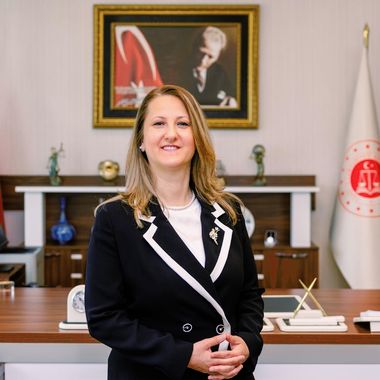
Banu Demirci Altay
Judge, Deputy General Director, General Directorate of Prisons and Detention Houses, Türkiye
Banu DEMİRCİ ALTAY graduated from Ankara Finance Vocational High School in 1997. In the same year, she began her civil service career at the Ministry of Finance and worked for approximately six years as a civil servant at the General Directorate of Budget and Fiscal Control, and for two years as an assistant revenue expert at the Ankara Revenue Office. In 2001, she graduated from the Faculty of Law at Ankara University. In 2005, Mrs. DEMİRCİ ALTAY started her legal internship in Ankara as a candidate judge. Starting in 2007 and continuing until 2015, she served as a Public Prosecutor in Karapınar (Konya) and as a judge in Pazarcık (Kahramanmaraş), Yerköy (Yozgat), Erzincan, and Çubuk (Ankara), as well as a rapporteur judge at the Court of Cassation.
Since 2015, she has held various roles at the Support Services Department of the General Directorate of Prisons and Detention Houses under the Ministry of Justice of the Republic of Türkiye, including Rapporteur Judge and Head of Department. Mrs. DEMİRCİ ALTAY currently serves as the first female Deputy Director General at the General Directorate of Prisons and Detention Houses and is responsible for budgeting, investments, and the construction of prisons, and conducts studies on architectural and technological transformation in prisons.