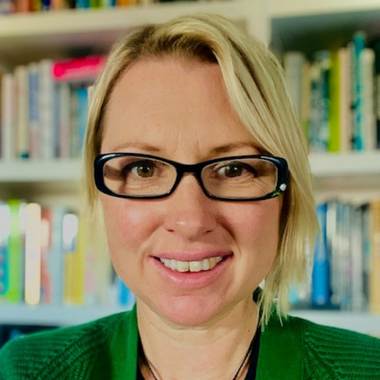
Bronwyn Morrison
Director Reintegration and Community Services, Department of Corrections, New Zealand
Bronwyn Morrison has a PhD in Criminology from Keele University, United Kingdom. She has worked in government research roles in New Zealand for the last 19 years, including roles in NZ Police, Department of Conservation, and the Ministry of Justice. She joined the Department of Corrections in 2015 and since 2019 has managed the Department’s Research Team. She has conducted research on indigenous pathways, prisoners’ post release experiences and desistance processes, family violence perpetrators, remand prisoners, female offending, youth incentives schemes, methamphetamine, cultural alcohol and drug interventions, correctional officer training, public perceptions of crime and criminal justice, and the fear of crime. She was the primary author of the 2009 New Zealand Crime and Safety Survey and Identifying and Responding to Bias in the Criminal Justice system (2009) and led the recent the New Zealand Justice Sector Long-Term Insights Briefing (2022), which explored how and why New Zealand’s prison population changed from 1960 to 2020. She also helped to run the Arohata Women’s Prison Book Club in a volunteer capacity until the removal of most sentenced women from the prison in 2022.