Research shows that the durable structure of daytime activities diminishes the chances of (future) criminal behaviour. This forms an important basis for offering work and practical training in prison. In the last years, the Dutch Custodial Institutions Agency (DJI) has further developed the way in which work and practical trainings offered in prison are shaped. One of the ways in which the DJI has professionalized this is by gathering data on the job market position of detainees before, during and after their time in prison through establishing a national service organisation ‘In-Made’. In-made supports 24 prisons in this data-informed way of working. The information that is gathered allows for more customized work and practical training possibilities offered in prison. Consequently, the DJI is, together with municipalities and potential employers, able to enhance the chances that prisoners are able to re-integrate into the job market after release from prison.
During this presentation, Marja ter Horst and Toon Molleman will present the workings and results of the national service organisation In-Made. They will show how the data allows for the development of job market profiles of prisoners and how this helps to uncover the job market position of prisoners. This includes information on what part of the Dutch prison population has a job before they enter prison, the types of jobs they have, their work attitudes, hindering factors (e.g. addiction, debts) and the practical training prisoners receive in prison.
×
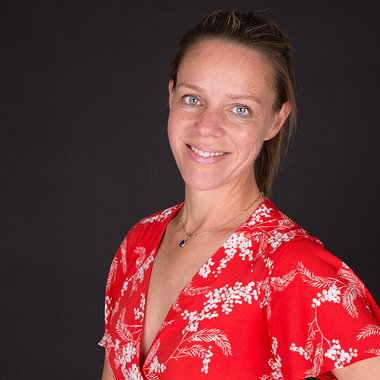
Marja ter Horst
Manager Service Organisation In-Mad, Dutch Custodial Institutions Agency, The Netherlands
Marja ter Horst works at the Dutch Custodial Institutions Agency (DJI). She is the manager of the national Service Organisation In-Made. Her job is to take care that the 24 prisons throughout the Netherlands can offer prisoners work and, if possible, vocational training. The Service Organisation uses data to support the prisons with the right information on the achievement of three interrelated goals. The first goal is to stimulate the safety of the prison environment, by offering prisoners work on a daily basis. The second goal is to create a stimulating environment, by offering customized prison work and related vocational education. The third goal is to increase the chances for successful job market re-integration, by working together with municipalities and potential employers.
×
Toon Molleman
Deputy Director, Dutch Custodial Institutions Agency (DJI), Netherlands
Dr. Toon Molleman is the deputy director of prisons and immigration detention at the Dutch Custodial Institutions Agency (DJI). He previously worked as a prison director of the penitentiary institution of Arnhem and Leeuwarden. Dr. Molleman received his PhD in 2014 at Utrecht University (Methodology & statistics) by creating a benchmark for prisons. During his PhD research, Dr. Molleman worked at the Research and Documentation Centre (WODC) of the Ministry of Justice and Safety.