The science of brain development is clear, 18–26-year-olds are still developing. Key neurological functions such as risk taking, impulse control, and social judgment are largely influenced by peers and environmental factors, which are severely inhibited, or non-existent, in prison. To better address this reality and promote development in a healthier and more compassionate environment, the Massachusetts Department of Correction created a specialized unit for young adult fathers (BRAVE). This program serves a dual purpose of helping to develop these young people and shifting the correctional culture in a larger context for all who live, work, or visit our facilities.
A unique goal of our work, and perhaps one of the most challenging aspects, is providing opportunities for autonomy in this environment, which is critical to “normal” development. The physical space, activities, treatment, and reentry preparation all supplement the key values of treating others with dignity, reframing peer pressure to be more positive and productive, and redirecting participants to healthier life choices. Each step of this process has been deliberate to meet these objectives, including refurbishing a housing unit to create a space that affirms a community atmosphere and a visitation area conducive to engagement with children and families.
This presentation will briefly cover the planning and implementation phases of this initiative, with a focus on lessons learned about our approach to creating a healthier, positive community for incarcerated young adult parents and among those living and working in prison.
×
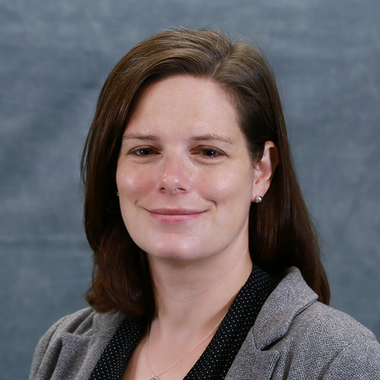
Kyle Pelletier
Director of Special Programs, Massachusetts Department of Correction, United States
Kyle Pelletier is a seasoned professional who has been working in corrections for 15 years. Prior to her corrections career, she obtained a Master’s degree in Criminal Justice from Northeastern University. She joined the Massachusetts Department of Correction in 2012, but began her career within the Department as vendor staff in 2018, facilitating programming to inmates; she has flourished in a variety of roles, which led to her current position as the Director of Special Programs. In the two years of being Director, she’s assisted the Department in ending restrictive housing, by designing and implementing a system that has evolved from the disciplinary use of restrictive housing into a behavioral assessment and program intervention model. This work started for the female offender population while she was working as the Deputy Superintendent of Reentry for MCI Framingham (Department's female facility), where she led a team that developed and implemented an alternative to restrictive housing specifically for the female offender. This would serve as the framework for her current role.
In addition, while working with the women at MCI Framingham, Director Pelletier collaborated with internal and external stakeholders to develop and implement a trauma informed gender specific program that addressed the unique pathways of women into the criminal justice system. For her work at MCI Framingham, she received the Deputy of the year award in 2019 for the Commonwealth of Massachusetts. Although the Special Programs Division was initially created to assist with the reform of restrictive housing, Director Pelletier has supported the implementation work of the Emerging Adults model, as these models can serve as a preventive strategy for violent and disruptive behavior. She is currently applying strategies learned from that effort to assist MCI Framingham leadership in the design of a similar opportunity for the female population. Director Pelletier strives to continue to encourage and help the Massachusetts Department of Correction evolve by promoting safer facilities through designing, implementing, and supporting evidence-based program interventions that enhance skills for sustainable change.