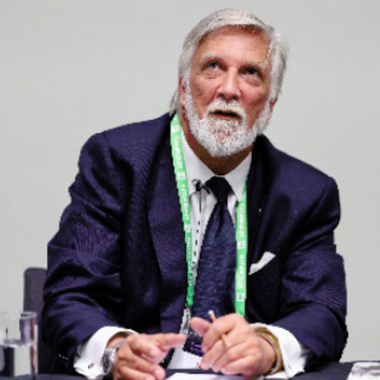
Moderated by: Donna Creaven
Abstract Summary:
How can technology make prisons more humane? As correctional systems worldwide move toward digital transformation, the question is not just how to digitise, but how to do so ethically and in ways that enhance care, dignity, and safety.
This presentation explores the independent evaluation of AiM (Alert, Intervene, Monitor), a digital tool developed by Unilink to help staff detect and respond to signs of isolation, vulnerability, and self-harm risk in prisons. Drawing on behavioural information, interview responses and self-reported survey data, AiM helps prison staff notice subtle changes and intervene earlier, before distress escalates.
Through interviews with officers, managers, and safer custody teams across male and female prisons, the research reveals how AiM has become a valued part of daily practice. Staff describe it as simple, adaptable, and, crucially, humanising: a technology that prompts conversation, builds trust, and saves lives.
Delegates will discover how ethical digitalisation can support the use of technology in prisons by combining data insight with compassionate practice. This session offers a vision of digital transformation where innovation strengthens human connection, showing how technology, when designed for care, can help create safer, smarter, and more humane prisons.
×
Professor Danielle McDermott
Director of Psychology & Criminology, University of Law, United Kingdom
Danielle McDermott is a Chartered Psychologist and Professor of Custodial Practice at the University of Law. Her PhD in Forensic Psychology examined the relationship between impulsivity, aggression, and self-harm among male prisoners, shaping her ongoing research in self-harm, suicide, and violence in custody. Danielle’s work explores the psychological and systemic factors influencing prisoner wellbeing and safety, with publications in leading international journals. She previously served as Treatment Manager for Safer Custody at HMP Leeds, leading interventions to reduce self-harm and suicide in custody, and continues to advise national bodies on strategies to improve safety and rehabilitation in prisons.
×
Michael Campbell
Director, Lux Tenebris Ltd, United Kingdom
Dr Michael Campbell is an expert advisor on the prevention of self-harm and suicide in prisons, supporting governors, officers, and prisoners to create safer custodial environments. Holding a PhD in Forensic Psychology from Trinity College Dublin, his evidence-based approaches have been adopted across prison providers in the UK and endorsed by His Majesty’s Inspectorate of Prisons. Recognised as a Subject Matter Expert, he has advised His Majesty’s Probation Service and developed innovative analytical tools to identify vulnerable prisoners—work repeatedly recognised as “notable practice” by His Majesty’s Prison and Probation Service and featured by the BBC. An international speaker, he has addressed audiences across Europe and campaigns for a zero target for self-harm and an evidence-led approach to criminal justice.