Incarcerated people face significant health disparities, including higher rates of chronic diseases, infectious diseases, substance use, and mental illness when compared with the general population. Incarcerated people also have shorter life expectancies. For each year in prison, life expectancy decreases by two years.
Transitional care coordination between carceral settings and community health centers is essentially non-existent or is haphazard and inadequate. Individuals are often released without medical records, medications, or follow up medical care. Recently released individuals have a twelve-times increased risk of death within the first two weeks of release and up to 40 times increased risk of overdose immediately upon release.
The FIT Clinic Initiative is working to change these statistics. Most immediately, in that critical post-release period, the program connects people transitioning out of incarceration with community health clinics for medical, mental health, and substance use disorders within 2 weeks of release. Our program success is based on community health workers with lived experience of incarceration and successful reentry.
Moderated by Raphael Hamunyela, Commissioner General, Namibian Correctional Service, Namibia
×
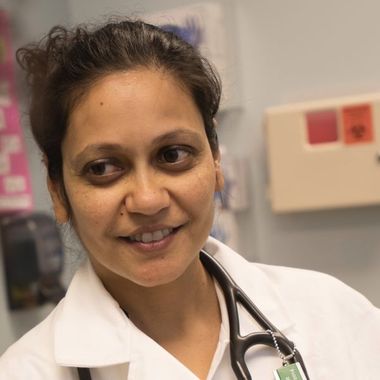
Anjali Niyogi
Associate Professor at Tulane, Director, Formerly Incarcerated Transitions (FIT) Clinic Initiative, United States
Dr. Anjali Niyogi is an Associate Professor of Internal Medicine and Pediatrics at Tulane School of Medicine in New Orleans, Louisiana (USA). As a hospitalist at a contract hospital for Louisiana Department of Public Safety and Corrections, Dr. Niyogi provides medical care for incarcerated patients requiring hospitalization. She is the founder and director of the Formerly Incarcerated Transitions (FIT) Clinic Initiative in New Orleans, whose mission is to achieve health equity for people impacted by mass incarceration by connecting recently released people with health resources in the communities to which they return. She is the creator and director of the correctional health curriculum, a mandatory class for all medical students at Tulane.
Dr. Niyogi chaired a legislative taskforce on the use of compassionate release and medical parole in Louisiana and served as co-chair for the health and care committee as part of the Orleans Parish Sheriff's transition team. Dr. Niyogi works with correctional facilities on initiatives to address the drastic increase in opioid overdose amongst recently released individuals.
Dr. Niyogi is a volunteer physician with Physician for Human Rights and provides forensic evaluations to support immigrants in detention and in the community. She obtained her medical and public health degrees from Tulane School of Medicine and Tulane School of Public Health and Tropical Medicine. She is the co-founder and director of the Resident Initiative in Global Health at Tulane (RIGHT) program and has worked internationally in multiple countries, focusing on capacity building and humanitarian aid.