Psychologists working in correctional facilities and occupational health services operate in uniquely high-stress environments that place them at elevated risk of burnout, secondary trauma, and professional isolation. Evidence from international literature, including UK regulatory bodies and U.S. prison policy, highlights the critical role of supervision and peer consultation (intervision) in maintaining psychological wellbeing and professional competence in such contexts. Regular, structured supervision is associated with reduced stress, increased job satisfaction, and improved therapeutic outcomes. Peer support groups provide a safe, collaborative space for emotional processing, clinical reflection, and mutual validation - fostering resilience and counteracting the isolating effects of correctional work.
In Poland, correctional staff face additional organizational stressors, such as rigid hierarchies and low autonomy, making supportive professional structures even more essential. While access to supervision varies, emerging recommendations emphasize the need for trauma-informed, protected-time supervision and the development of peer-support networks, both formal and informal. These systems not only safeguard the mental health of professionals but also directly influence the quality of care delivered to incarcerated populations.
Supervision and intervision are not luxuries; they are evidence-based necessities. Embedding them into institutional policy is key to building sustainable correctional mental health systems where staff wellbeing and treatment integrity go hand in hand.
Moderated by Michelle Carpentier
×
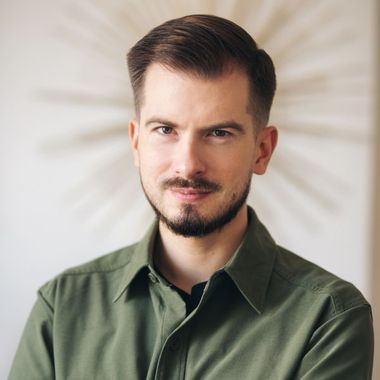
Maciej Kalaman
Psychologist, Psychotherapist, University of Justice, Poland
Maciej Kalaman is a psychologist (MA) and a psychodynamic and systemic psychotherapist. He has gained professional experience working with children and adolescents with mental health difficulties at the Institute of Psychiatry and Neurology in Warsaw, as well as serving as a prison psychologist, where he conducted psychological assessments, provided counselling, and mentored junior colleagues.
He currently works at the University of Justice, where he coordinates international projects and manages international cooperation. In addition, he runs a private psychotherapy practice, supporting adult clients in addressing emotional difficulties, relational challenges, and various forms of psychological distress. His work is grounded in long-term, in-depth therapeutic processes aimed at improving mental well-being and fostering personal development.
Maciej also conducts psychological trainings and lectures—among others, at the Warsaw Centre for Forensic and Investigative Psychology—and contributes to the Therapy Guide start-up as a product development specialist.
×
Katarzyna Lopian
Psychotherapist, Self-employed, Poland
Katarzyna Lopian is a psychologist and psychotherapist with experience working with adults at various stages of life. She practices an integrative approach, combining different therapeutic techniques tailored to the individual needs of her clients. She provides psychological consultations and individual psychotherapy both online and in person at her office in Katowice.
She holds a Master’s degree in Psychology from SWPS University in Katowice and is currently undergoing psychotherapy training at the Department of Psychotherapy at Jagiellonian University in Kraków, a program accredited by the Polish Psychiatric Association. Committed to continuous professional development, she regularly participates in courses and trainings in the field of psychotherapy.