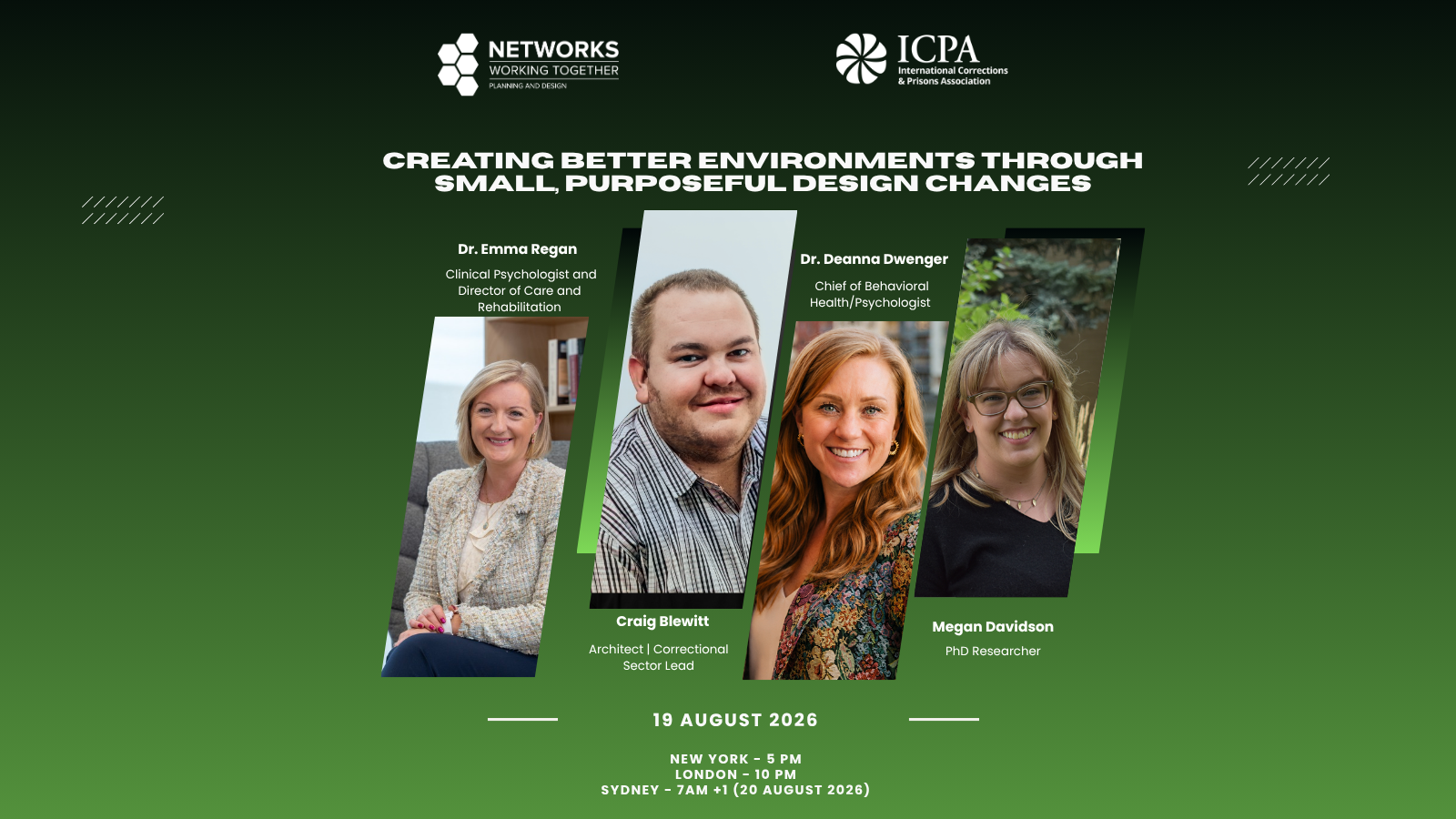
Discover how small, low-cost design changes can make custodial environments safer, calmer, and more humane. This webinar covers “1%” micro-interventions that improve daily life, trauma-informed design strategies that reduce distress and escalation, and nature-based initiatives (gardens and structured outdoor activity) that support wellbeing, autonomy, and connection, turning practical, evidence-based ideas into scalable improvements.
Date and Time
19 August 2026
-
New York - 5 PM
-
London - 10 PM
-
Sydney - 7AM +1 (20 August 2026)
Moderator

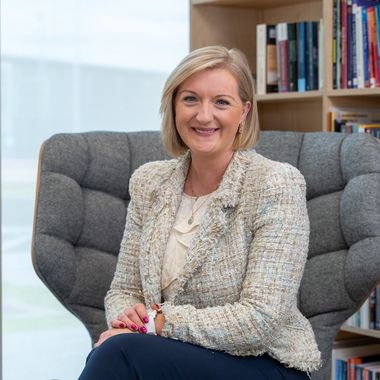
Dr. Emma Regan PsychD
Speakers

Craig Blewitt
The 1% Things: Small Design Interventions That Can Make a Difference explores how modest, low-cost changes can meaningfully improve correctional environments when major capital investment is not possible. Drawing on international case studies, research, and operational experience, the presentation argues that prison design is not only about new facilities, but about continually improving existing environments through thoughtful, evidence-based decisions. Key themes include enhancing visitor experiences, supporting staff wellbeing, strengthening prisoner autonomy, improving acoustics, increasing access to nature and daylight, and creating more welcoming, human-centred spaces. Examples demonstrate how small interventions—such as better furniture, improved wayfinding for children, accessible visitor processing, staff amenities, artwork, colour selection, and opportunities for self-catering and normalisation—can positively influence behaviour, dignity, safety, and wellbeing. The presentation highlights that effective correctional environments emerge from the interaction between operations and design, and that meaningful change often comes from identifying and implementing the many “1% things” that collectively transform everyday experiences.

Dr. Deanna Dwenger
Correctional systems worldwide are managing increasingly complex populations, including higher rates of trauma exposure, serious mental illness, substance use disorders, neurodivergence, and chronic medical conditions—often within facilities designed for a very different era. While clinical services remain essential, many systems face workforce shortages and rising demand, making prevention more important than ever. This session explores how the built environment can serve as a practical, preventive safety strategy rather than simply a backdrop for operations. Drawing on trauma science, environmental psychology, and correctional design research, participants will examine how factors such as noise, harsh lighting, crowding, unpredictability, and limited perceived control contribute to stress, reactivity, and crisis. Through real-world examples and evidence-informed design interventions, attendees will learn how small, targeted environmental changes can reduce escalation, support staff wellbeing, improve daily climate, and create safer, more stable facilities.

Megan Davidson
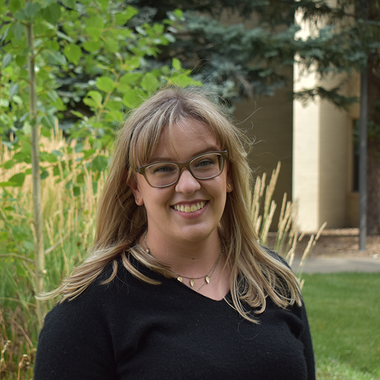
Small, purposeful design changes in custodial settings can shift daily experience, reduce distress, and strengthen social ties — sometimes more effectively than large-scale reform. Drawing on ongoing comparative work, I show how modest interventions — gardens, sessions planting, and structured outdoor activity — function as environmental infrastructure that supports women’s mental health, autonomy, and coping. These micro-designs reduce anger and depressive affect, create low‑stakes opportunities for connection, and offer meaningful roles that help women re‑imagine identities beyond custody. Crucially, benefits emerge when access is regular, trauma‑informed and gender‑responsive; cancelled sessions, gatekeeping or tokenistic plantings erase value. I argue that small, well-designed environmental changes are scalable harm-reduction tools that improve liveability, staff–resident relations, and potentially reduce self‑harm, while cautioning against greenwashing. This talk translates evidence into practical, low‑resource design recommendations for safer, more humane prison environments.
Registration
As an ICPA member, you can attend our webinars at no additional cost, please select the 'book now' button at the top of the page to register.
New registrants will receive a complimentary annual Full ICPA Membership when registering at full price. You will receive a confirmation email upon registration. Shortly before the event, you will receive a Zoom link via email.
To find out more about our membership plans, please click here.