Dignity, Design, and the Future of Corrections: Terry Hackett Sets the Tone for PDTC
“Resources matter, but they do not determine outcomes. I’ve seen well-resourced systems fall short and become fragile, and resource-constrained prisons operate with dignity and resilience.”
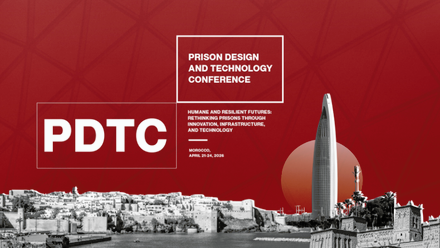
Terry’s remarks come at a pivotal moment, as systems grapple with increasing operational strain, workforce pressures, and the rapid influence of digital tools and AI. Against this backdrop, ICPA’s upcoming conference on technology, planning and design, offers a valuable opportunity for learning, collaboration, and connection, bringing together leaders from around the world to share insights and explore what comes next.
The conference’s location in Africa is not incidental. Terry calls it “particularly powerful,” emphasizing that hosting PDTC on the continent creates space to showcase African-led innovation that can influence correctional practice worldwide. Too often, Terry says, global audiences overlook the resourcefulness, leadership, and practical ingenuity developed in African contexts, along with the strength of community connections, culture, and traditions that support more relational approaches to custody.
Terry’s central argument is that the future of humane and resilient corrections depends on what systems choose to embed now: people-centered facility design and responsible technology integration. In his view, resilience is not just about policy or contingency planning. It is also a daily investment in residents and staff so the system can absorb shocks without losing its collective humanity.
Asked where design choices most directly improve day-to-day safety, Terry points to approaches that prioritize normalization and dynamic security, backed by practical features like clear sightlines and smaller, decentralized living units. These elements, he explains, reduce tension and enable staff to engage proactively rather than operate in a constant reactive posture.
Terry also warns against one-size-fits-all solutions. The best outcomes come when facilities are designed with staff and those that have lived experience as residents, not merely for them, because people adapt to their environment, and prisons are no exception.
When it comes to small changes with outsized impact, Terry is unequivocal: natural light. Across visits to prisons in 30+ countries, he has seen how expanded access to daylight improves dignity and behavior, with evidence pointing to better sleep, reduced aggression, and stronger morale for residents and staff. Terry insists it should not be framed as a security trade-off: good design can deliver both safety and dignity.
On technology, Terry offers a straightforward litmus test for whether new tools enhance normality or erode it: Do they break down barriers, or reinforce them?
Technology that strengthens connection with staff, family, and the community can narrow the gap between life inside and outside, support meaningful human interaction, and build transparency. But tools that isolate people, replace relationships, or feel overly controlling and opaque risk doing the opposite. In a moment when “normality” is shifting rapidly outside prisons due to AI and digital services, Terry argues that corrections must be even more deliberate about what they bring inside.
Terry also spotlights the role of partnerships in building resilient correctional systems. Closed systems tend to change only in response to crisis or political pressure rather than learning in advance. Trusted, well-framed partnerships with civil society, the private sector, and local communities can bring external expertise and credibility that are not available in-house.
“A prison cannot function as an isolated island,” Terry notes, underscoring that better outcomes depend on stronger connections to the communities that prisons ultimately serve.
Looking ahead to Rabat, Terry offers PDTC participants a final provocation designed to push the conference beyond slogans and toward lived experience:
“If you were in custody, what would humane and innovative prison design and technology actually feel like to you?”
For Terry, the measure of PDTC will be what happens after the conference ends: whether delegates return home willing to challenge the status quo, rethink design, and deploy technology in ways that strengthen human dignity, not simply expand control.