

Advancing Corrections Journal: Editorial Review Board
Frank Porporino

Rob Allen
Rob Allen is an independent researcher and consultant on criminal justice and prisons. He was director of the International Centre for Prison Studies at King’s College London from 2005-10 working with prison administrations around the world to improve their compliance with international human rights standards. He previously held senior roles in the charity sector in the UK and continues to undertake investigations for the UK Ministry of Justice into near deaths in prison.
Since 2010, Rob has worked on a variety of prison reform projects in Europe and Africa for organisations including the UN, ICRC, Penal Reform International and the Council of Europe. He has also worked on the development of probation, community service and other alternatives to prison and on youth justice. Rob’s research includes evaluations of the Council of Europe’s work on police and prisons; of the Norway Grants Correctional Services Programmes; and of the Raoul Wallenberg Institute’s work with prisons and probation in Kenya. He has co-authored a Guidance Note on prison data collection and wrote the UNODC Roadmap for the Development of Prison-Based rehabilitation Programmes.

Michelle Butler
Michelle Butler is a Professor of Criminology at Queen’s University Belfast and Co-Director of the Institute of Criminology and Criminal Justice. Her primary research interests include imprisonment, penal reform, desistance and criminological psychology. She has a consistent track record of conducting research in prisons, including prisons in the United Kingdom, Ireland, Uganda and Colombia. In recent years, she has investigated prison misconduct, the outcomes people experience in prison, penal policy and prison-based parenting programmes. She has also been involved in projects assessing how a history of conflict may affect penal reform, desistance and reintegration.
Daryl Churney
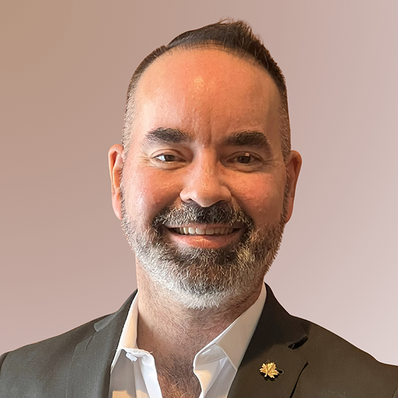
Daryl Churney is a seasoned Canadian public sector executive who was most recently Deputy Chairperson of the Parole Board of Canada (PBC). The Deputy Chairperson is the most senior public servant within the organization serving as chief operating officer, responsible for all Board policy, programs, planning, national operations and the provision of corporate services. Prior to this role, Daryl served in executive roles with the Canadian ministries of transport and public safety. He has worked in criminal justice policy since beginning his career in the Government of Canada in 2001 as a Policy Analyst with the Department of the Solicitor General. Daryl has appeared as an expert witness before committees of the Canadian House of Commons and Senate, has worked extensively with Cabinet appointees, parliamentarians, victims of crime and voluntary sector partners. He has served on the Board of Directors of the St. Leonard’s Society of Canada, a national not-for-profit active in criminal justice, and holds degrees from the University of Western Ontario and Carleton University.
Andrew Day
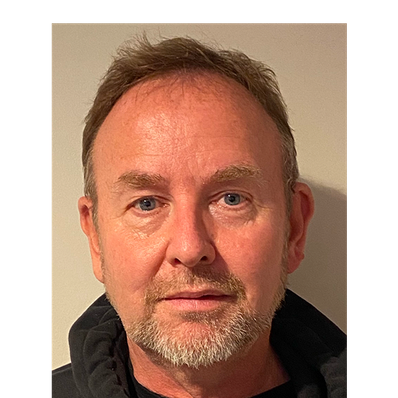
Dr Andrew Day is an Honorary Professor in criminology at Flinders University in Australia and in clinical-forensic psychology at Swinburne University in Australia and the University of Waikato. His research interests focus on the development of more compassionate and effective criminal justice systems, services, and programs, including helping people to successfully return to the community after being incarcerated. He is a past recipient of the ICPA research award.

Heng Choon (Oliver) Chan, Ph.D

Jennifer Galouzis
Jennifer Galouzis is the Assistant Commissioner of Strategy & Policy at Corrective Services NSW Australia, with over 20 years of experience in correctional policy, research, and practice. She began her career with CSNSW as a psychologist, later serving as Director of Corrections Research, Evaluation and Statistics, before her appointment as Assistant Commissioner, Offender Management and Programs.
In her current role, Jennifer leads the planning, development, implementation, and evaluation of key strategies and policies that strengthen the evidence base for rehabilitation and reintegration. She is responsible for developing strategic and practice frameworks that support the safe, fair, and effective delivery of correctional services, including initiatives that contribute to Closing the Gap and enhance case management and oversight across custody and community.
Jennifer’s expertise spans evidentiary frameworks, correctional research, and evaluation. Her recent research focuses on the impact of prison environments on rehabilitation and has informed the development of a theoretical and operational model for rehabilitative prison systems. She has published on topics including rehabilitative design, preventing prison violence, sex offender treatment, and the role of correctional systems in reducing reoffending. Jennifer is completing her PhD at the University of Melbourne, titled A rehabilitative prison environment: Accountability, complexity, and the possibility of therapeutic prisons.

Tassie Ghilani
Tassie Ghilani is a system leader specialising in lived experience, relational approaches and social justice reform, with a track record across government and the charity sector. As the current National Lived Experience Lead at HMPPS, she drives the integration of lived experience into policy and practice, shaping more inclusive and effective services across custody and community settings.
Robert T. Goble
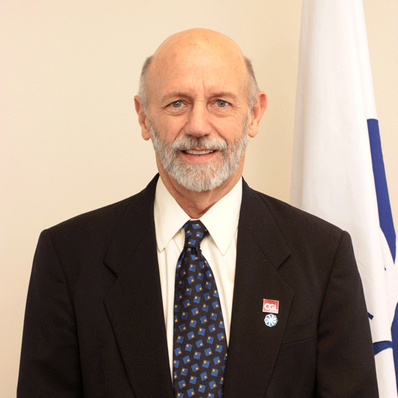
Bob Goble began professional practice as a Senior Facilities Planner for Dallas, Texas in 1971. Most of his experience has been in the planning of facilities for adult and juvenile corrections, detention, law enforcement, and courthouses. Some notable projects included: consulting planning in Singapore for the new Changi Prison Complex, Boys Home, Selarang Park Complex, Woodbridge Mental Health Center, Subordinate Courts Expansion plan; and correctional facility plans review for the Council of Europe Development Bank (CEB). He has also prepared operational systems evaluations plans and provided technical assistance and training for numerous government agencies. He served as an expert
witnessin USA Federal and state courts and authored 12 published articles and manuals on facilities and systems planning. Priorto helping establish CGL Mr. Goble was Assistant Director of the planning division of an international engineering firm. In graduate school at the University of Illinois he was a Research Assistant and Writer for the “Quarterly Digest of Urban and Regional Research” and a graduate Teaching Assistant for urban planning. His memberships have included: Chairman and Board of Directors South Carolina Children’s Bureau; American Institute of Certified Planners; American Correctional Association; Chair ACA International Committee; and ICPA, the International Corrections and Prisons Association. He is a past member of the ICPA Board of Directors, served as Treasurer and was a Program Committee member. Currently he is a member of the ICPA Practice Transfer Advisory Committee and the Treasurer
of the ICPA-North America Chapter.
Terry Hackett
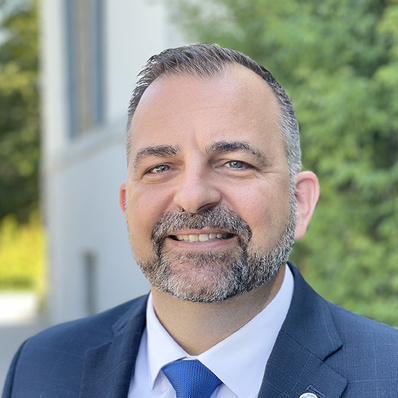
Terry Hackett is an internationally recognized correctional and detention expert with more than 30 years of experience spanning domestic, international, and conflict-affected environments. A founding member of the Editorial Board of the International Corrections and Prisons Association (ICPA) Journal Advancing Corrections in 2016, he has contributed extensively to global dialogue on prison reform, detention governance, correctional leadership, and the application of international standards in custodial settings.
Terry is a Senior Associate with International Centre for Criminal Law Reform and Criminal Justice Policy (ICCLR) in Vancouver, Canada, and Co-Founder and Principal Consultant at Praesora Consulting. He advises governments, international organizations, and correctional authorities on prison reform, detention management, institutional governance, infrastructure planning, and operational leadership.
From 2018 to 2025, Terry served with International Committee of the Red Cross (ICRC), most recently as Head of the Persons Deprived of Liberty Unit in Geneva, where he led global policy and operational practice related to prison, police, military, and migration detention systems across more than 75 countries. Prior to this, he spent 22 years with Correctional Service Canada, beginning as a Correctional Officer and later serving as a Warden and Assistant Deputy Commissioner for Correctional Operations (Pacific Region). He also served as Canada’s senior correctional official in Afghanistan supporting national correctional reform efforts.
Terry holds a Master of Advanced Studies in International Law in Armed Conflict from the Geneva Academy of International Humanitarian Law and Human Rights and a Master of Arts in Human Security and Peacebuilding from Royal Roads University. He is the recipient of several Canadian honours, including the Corrections Exemplary Service Medal, the Operational Service Medal and Bar for Afghanistan, and the Queen Elizabeth II Diamond Jubilee Medal, and is a frequent international speaker and author on correctional leadership, prison reform, detention governance, and humane custodial practice.

Melissa Hamilton
Melissa Hamilton is a Professor of Law & Criminal Justice at the University of Surrey and a Surrey AI Fellow. Research interests include issues related to risk and threat assessment practices, domestic and sexual violence, trauma responses, the use of AI for criminal justice purposes, sentencing, and correctional practices. She has a JD and a Ph.D in Criminology and Criminal Justice from The University of Texas at Austin, and clerked for the United States Court of Appeals for the Fifth Circuit. Dr. Hamilton holds memberships in the American Psychological Association, American Psychology-Law Association, Royal Statistical Society, Association of Threat Assessment Professionals, and the State Bar of Texas. She is an advisor to the Sentencing Academy (England). Technical skills include data sciences in criminal justice and forensic risk assessment. Dr. Hamilton has served as an expert witness in the U.S. and UK in civil and criminal cases and in class action lawsuits on various criminal justice issues. Prior professional experiences include service as a police officer and corrections officer.

Jordan M. Hyatt
Jordan M. Hyatt is a Professor of Criminology in the Department of Criminology and Justice Studies and Law in the Thomas R. Kline School of Law at Drexel University. There, he serves as the Director of both the Center for Public Policy and the Justice Collaborative. As the co-lead of the Scandinavian Prison Project, his recent collaborative work has focused on understanding and reforming prison conditions in the US and abroad. Working directly with agency partners, SPP adapts and implements Nordic-style carceral policies and examines the impact of living and working in Scandinavian-inspired housing units. With colleagues, his research seeks to unpack the broader impact of the prison environment on the range of stakeholders who live and work inside, and to develop evidence-based, actionable policy recommendations grounded in rigorous (and, where possible, randomized) research designs.

Helen Kosc
Dr Helen Kosc is an Assistant Professor at the Institute of Criminology, University of Cambridge. She completed her Doctorate and MSc in Sociology at the University of Oxford, where her research focused on prison resettlement, desistance from crime, and the relationship between criminal justice policy and lived experience. Originally from Toronto, Canada, Helen’s interest in prisons and reintegration began through her work with Correctional Service Canada, where she volunteered across Canadian correctional institutions before pursuing graduate study in the UK.
Helen’s doctoral research was a long-term ethnography following the resettlement experiences of 150 prison-leavers over 18 months. Conducted in partnership with the Ministry of Justice, HMPPS, and the Office of the Police and Crime Commissioner for Thames Valley, the study is especially concerned with how policy, institutional timeframes, housing, supervision, support networks, and everyday forms of scarcity affect the slow and often uneven work of prison re-entry.
Helen is committed to producing rigorous, interdisciplinary research that informs evidence-based policy and practice. Her broader work spans criminal records, employment, policing, data science, and artificial intelligence in criminal justice. She has contributed to major projects on discriminatory hiring of ex-offenders, evidence-based re-entry policy, advanced technologies in policing, and the use of AI and algorithmic tools in criminal justice practice. She joins the Research Expert Group for the Confederation of European Probation, and serves on the Editorial Board of ICPA’s Advancing Corrections Journal.

Victoria Knight
Dr. Victoria Knight is an Associate Professor at De Montfort University and a leading expert on digital prisons. Her research explores digital technology in prisons, with a focus on rehabilitation, ethics, and digital readiness. She advises international organisations and contributes to global prison reform projects. Victoria has published four books, and co-edits journals on corrections and prison education. Her work helps shape ethical digital innovation in prisons and probation worldwide.
Rohan Lulham
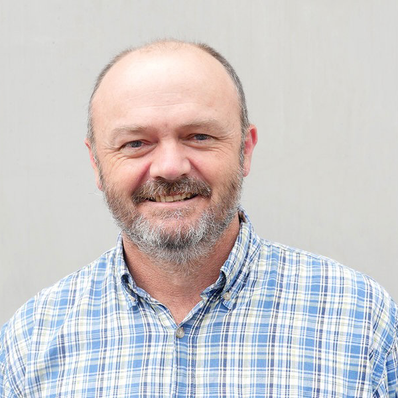
I am a design researcher at the Sydney School of Architecture, Design and Planning at the University of Sydney, where my work centres on Design and Justice — developing the methods, evidence, and frameworks needed to transform services, systems, and built environments across the criminal justice context. Over more than a decade I have partnered closely with correctional and justice agencies, including Corrective Services NSW and Youth Justice NSW, to bring design thinking to real-world challenges in custody and rehabilitation.
My recent work includes leading a strategic design project that helped shape Corrective Services NSW's Safety and Rehabilitation strategy, co-designing the Indigenous-led NSW Prison Experience Survey, and developing the Corrective Services NSW research strategy for transforming prisoner rehabilitation through digital technology. I co-edited Youth Crime, Youth Justice and Children's Courts in NSW (LexisNexis, 2024) and am a founding member of the University's Civic and Social Design Research Group and Justice Collaboration Centre. With a background that spans psychology, design, and criminal justice practice, an emerging interest relates how interactions and cultures can be modelled through symbolic interactionism.
I am committed to research that is practice-grounded, collaborative, and capable of meaningfully improving outcomes within correctional systems.
Faith E. Lutze
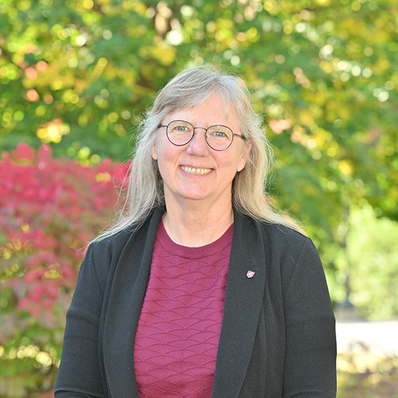
Faith E. Lutze, Ph.D., is a Professor Emerita in the Department of Criminal Justice and Criminology at Washington State University. Her research interests include police use of lethality risk assessments for intimate partner violence, treatment courts, correctional industries, and prison environments. Dr. Lutze is the author of the book, The Professional Lives of Community Corrections Officers: The Invisible Side of Reentry and has published the results of her research in numerous peer-reviewed journals. She is a certified instructor for the Inside-Out Prison Exchange Program, a graduate of the Washington State Department of Correction’s Correctional Worker Core training academy, and a certified Sequential Intercept Model (SIM) mapping facilitator. She is intent on promoting justice, human rights, and activism that encourages professionals to take responsibility for justice through research, education, policymaking, and practice.

Willem FM Luyt
An experienced academic whose career started in 1994, Willem Luyt has been a Professor in the College of Law at the University of South Africa since 2006. He has been a rated researcher of the National Research Foundation in South Africa for nearly two decades. He is experienced in academic management, research and research ethics, curriculum design, academic teaching and correctional industry training, as well as in open, distance and e-learning. Willem is equipped with intimate knowledge of the South African correctional system and the child-justice system, while he has vast international experience in criminal justice and both correctional and community-based systems. This includes various research visits and fact-finding missions to African countries, Europe and the United Kingdom, the United States, Australia, Lithuania, Russia, Argentina and Indian Ocean islands. He was a guest lecturer at the Polytechnic of Namibia and the Namibian University of Science and Technology (NUST) for more than a decade. Willem holds a DLitt et Phil from the University of South Africa (Unisa), a Teaching English as a Foreign Language Certificate from the TEFL Academy (UK) and a Research Ethics Certificate from the University of Hong Kong. He serves on the editorial boards of several international scholarly journals and served on the Research Ethics Committee of the South African Department of Correctional Services (DCS) for more than a decade. Willem has published widely in national and international journals and is the author or co-author of several books and chapters in books on criminal justice, international corrections, child justice and unit management. In addition, he has delivered many papers at national and international conferences. He has been a promotor of PhD students and a supervisor for Master’s students over the years.

Fiona McGregor
Currently Acting Director leading key Premier’s justice reform priorities, with a focus on reducing avoidable remand in custody and delivering complex, cross-agency initiatives. With over 25 years of experience across the justice and corrections sectors, my career spans roles as a prison educator, manager, government adviser, consultant inspector, and researcher.
I began my professional journey as a secondary school English teacher before specialising in education for juvenile and young adult male offenders in prisons in the UK and Australia. Over time, this has broadened into a strong commitment to improving outcomes for women in custody and Indigenous Australians, who are disproportionately represented in prison populations. I am deeply committed to advancing equity, inclusion, and culturally responsive practice.
My PhD explored the relationship between participation in adult basic skills education in prison and desistance from crime. I am a strong advocate for the role of education, training, and meaningful employment in supporting rehabilitation and reintegration.
I enjoy building strong partnerships across government and community that foster innovation and create environments where diverse perspectives inform better outcomes. Motivated by curiosity, I bring a “what if?” mindset to drive continuous improvement and meaningful reform.

Laurence Motiuk
Larry Motiuk, PhD is semi-retired from the Public Service of Canada after having spent over 35 years with the Correctional Service of Canada (CSC). He is currently employed on a part-time basis by CSC as Special Advisor to the Commissioner and has been delegated as final (national) decision-maker for federal offender grievances. He is also the Chief Executive Officer of LARMOT ASSOCIATES Consulting and Research Services. His various senior roles in CSC have included: Assistant Commissioner Policy (2013-2024), Special Advisor Transformation and Renewal (2010 to 2013), Director General Offender Programs and Reintegration (2006 to 2010) and Director General Research (1996 to 2006). He began his correctional career with the Ontario Ministry of Correctional Services providing direct clinical services and conducting operational research. Dr. Motiuk was the former Editor of FORUM on Corrections Research; served on the Board of Directors for the International Community Corrections Association; and was an Adjunct Research Professor at Carleton University. His international experience includes working with various Departments of Corrections in Australia, Bosnia-Herzegovina, Hong Kong, Namibia, New Zealand, Singapore, Romania and the United States. In addition, he has served as a scientific/visiting expert for the Council of Europe, the United Nations Interregional Crime and Justice Research Institute (UNICRI), The Netherlands Department of Justice, the United Nations Office of Drug Control (UNDOC) and the United Nations Far East Institute (UNAFEI). In 2012, he received the “Public Service Excellence Award” in Policy and in 2019 the “Research Award” by the International Corrections and Prisons Association. Dr. Motiuk is widely published on the topics of risk management, effective correctional programming, and safe reintegration.

Bronwyn Morrison
Bronwyn Morrison has a PhD in Criminology from Keele University, United Kingdom. She has worked in government research roles in New Zealand for the last 20 years, including roles in NZ Police, Department of Conservation, and the Ministry of Justice. She joined the Department of Corrections in 2015 as a Principal Research Adviser. From 2020 until July 2025, she managed the Department’s Research Team. Since August 2025 she has been the Acting Director of Reintegration and Community Services. This group is responsible for supported accommodation and reintegration navigation services, cultural programmes, non-violence programmes, education, employment and vocational training services. It also looks after contracts for the prison chaplaincy service, arts in prison, post sentence restorative justice services, deportee services, parenting and life skills programmes.
Bronwyn has conducted research on indigenous pathways, prisoners’ post release experiences and desistance processes, family violence perpetrators, remand prisoners, female offending, youth incentives schemes, methamphetamine, cultural drug and alcohol interventions, correctional officer training, public perceptions of crime and criminal justice, and the fear of crime. She was the primary author of the 2009 New Zealand Crime and Safety Survey and Identifying and Responding to Bias in the Criminal Justice system (2009) and led the New Zealand Justice Sector Long-Term Insights Briefing (2022), which explored how and why New Zealand’s prison population changed from 1960 to 2020. She also helped to run the Arohata Women’s Prison Book Club in a volunteer capacity until the removal of most sentenced women from the prison in 2022.
Dorin Gabriel Muresan
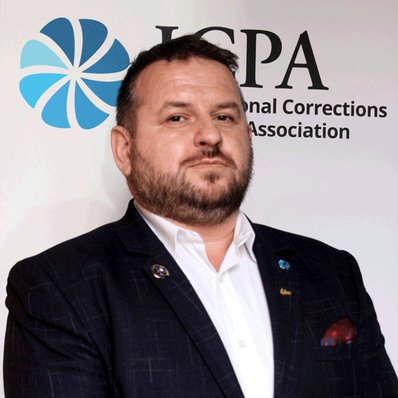
Since 2016, Dorin has worked extensively as an international consultant for the European Commission (TAIEX), UNODC, OSCE, Council of Europe, and the International Corrections and Prison Association. His assignments include leading multiple TAIEX workshops in Moldova on prison management and staff training, conducting a Training Needs Analysis and drafting the 2026–2030 Staff Training Strategy for the Albanian General Directorate of Prisons, delivering leadership and rehabilitation training in Kazakhstan, and developing staff-development policies in Namibia. In Kosovo he provided specialised training on emergency response systems for correctional facilities. Since 2019 he has also delivered pro-bono courses for prison managers in Moldova.
Earlier, between 2016 and 2019, he contributed to three EU-funded projects in Moldova focused on enforcement, probation, rehabilitation, human-rights-compliant criminal justice, and institutional capacity building. Fluent in English, he and maintains deep familiarity with prison realities in the Balkans Eastern Europe MENA region and Central Asia.

Gabriel Ong
Gabriel is Senior Principal Psychologist and has been leading the Central Narcotics Bureau (CNB) Psychology Division since 2023, where he oversees the provision of psychological services to enhance CNB’s operational and organizational effectiveness. Prior to this, Gabriel was Deputy Director with the Psychological and Correctional Rehabilitation Division of the Singapore Prison Service (SPS), where he oversaw correctional research, programme design and evaluation, and operational psychology. In the 17 years with SPS, Gabriel has also had experiences in forensic risk assessment and offender rehabilitation, specifically in the area of sexual and violent offending.
Since 2020, Gabriel has been a Board Member of the International Association for Correctional and Forensic Psychology (IACFP), an organization that seeks to advance the development and implementation of evidence- and practitioner-informed policies and practices to support correctional and forensic psychologists and other helping professionals who work with justice-involved individuals. In 2026, he joined the International Society of Substance Use Professionals (ISSUP) Singapore Chapter Steering Committee, where he provides inputs on their technical advisory panel.

Steve Pitts
Steve Pitts began his career as a probation officer and manager in London, moving to national positions including responsibility for probation partnerships, prisoner resettlement, social inclusion, and the Probation Service’s national strategy to reduce reoffending. He was also a founding member of the national “effective practice” team. He then moved to international work on secondment to the European Commission, advising newer European Member States on probation development. On return home he established the England and Wales Prisons and Probation International Team. He led European research projects including on rehabilitation and probation’s evidence base, and justice assistance work in Europe and globally.
He now works independently, with international bodies including the United Nations, and Council of Europe, on Community-based justice reform in most regions of the world. He plays a leading role in several international organisations to promote the use and effectiveness of probation, parole, and community corrections. Recent research-orientated contributions include “what works” in building probation capacity, and “The Missing Story” on how probation earns understanding and trust around the world. As one of the principal initiators of the World Congress on Probation and Parole, he is a strong believer in the power and potential of international collaboration! Steve is a Fellow of the Probation Institute and Fellow of the Royal Geographical Society. He is also very happy to be a Confederation of European Probation (CEP) Honorary Member and International Ambassador! He was honoured in 2025 to have been awarded the Order of the Rising Sun, Gold Rays with Rosette, by the Government of Japan, for his contributions to international justice exchange.

Devon Polaschek
Devon Polaschek is a clinical psychologist, professor in Te Kura Whatu Oho Mauri School of Psychological and Social Sciences and the Director of Te Puna Haumaru New Zealand Institute of Security and Crime Science, at The University of Waikato. Her research interests include risk assessment, understanding and preventing reoffending in people with histories of serious violent and sexual offences, family violence, psychopathy, imprisonment, desistance, reintegration and parole. She is the author of more than 150 journal articles, book chapters and government reports, a fellow of the Association for Psychological Science, a former Fulbright Scholar and a member of the New Zealand Order of Merit (MNZM) for services to forensic psychology.
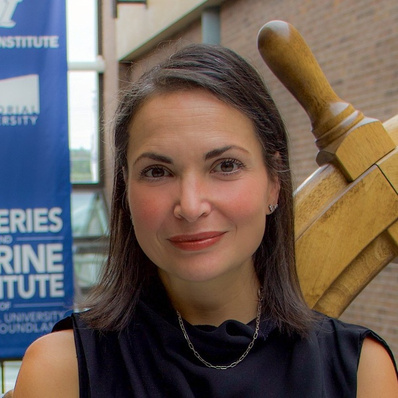
Rosemary Ricciardelli
Dr. Rosemary Ricciardelli is Professor (PhD) and Research Chair in Safety, Security, and Wellness, at Memorial University of Newfoundland. Ricciardelli was elected to the Royal Society of Canada and is a Fellow of the Canadian Academy of Health Sciences. Her research centers on evolving understandings of the needs of public safety professionals and their leaders across sectors (i.e., correctional services, firefighting, intelligence, and policing) to reduce the prevalence and the severity of occupational, socio-cultural, and posttraumatic stress injuries, vulnerabilities, and harm. Her work includes justice-involved people, including people in prison or under community supervision, focusing on their social, mental, and physical health. She studies public health and public safety, including with a gendered lens, her interests lay in the supporting societies through empowerment of the frontlines in public health and safety for positive community impacts always informed by evidence. She leads a 10-longitudinal study, on the health and well-being experiences of correctional officers employed by Correctional Services Canada and has participated in correctional officer training with the Service. She works in partnership with all Correctional Services in Canada as well as the Uganda Prison Service, Michigan Department of Corrections, Ontario Association of Fire Chiefs, and the Canadian Security Intelligence Service, as well as many other youth justice and health organizations. She co-directs MicroResearch (www.microresearch.ca), particularly focused on expanding the practices to include leaders and in public safety sectors. She is listed as in the top 2% of cited scholars by Stanford.

Danielle S. Rudes
Danielle S. Rudes is a Professor of Criminal Justice & Criminology at Sam Houston State University in Texas. She is also Deputy Director of the Center for Advancing Correctional Excellence (ACE!). She is a former Fellow with the Bureau of Justice Assistance focusing on Enhancing Correctional Spaces and Cultures. Dr. Rudes is an expert qualitative researcher with over 25 years of experience working with correctional agencies. She is recognized for her work examining how social control organizations understand, negotiate, and at times, resist change. Dr. Rudes has a broad grant portfolio with funding from the National Institute on Drug Abuse and the National Institute of Justice including her current role as Multiple Principal Investigator on the Justice Community Overdose Innovation Network (JCOIN). She is an Associate Editor of the Journal of Substance Use &Addiction Treatment and she is on the editorial boards of several other journals. Her book Surviving Solitary: Living and Working in Restricted Housing Units won the 2023 Outstanding Book Award from the Academy of Criminal Justice Sciences. Additionally, Dr. Rudes has won numerous other awards for her research, mentoring, and teaching including the 2024 Excellence in Research Award from the International Corrections and Prisons Association (ICPA).

Martin Schönteich
Dr. Martin Schönteich is a Senior Research Consultant with the Institute for Security Studies and a criminal justice and governance specialist with extensive experience in institutional reform, organisational design, anti-corruption systems, and justice-sector policy. His work focuses particularly on criminal justice reform, prosecutorial effectiveness, organised crime, institutional accountability, and strengthening coordination across justice-sector institutions.
He previously served as Strategic Advisor to the National Director of Public Prosecutions of South Africa, where he led the establishment of the National Prosecuting Authority’s Innovation and Policy Support Office. Earlier in his career, he was a Senior Managing Legal Officer at the Open Society Justice Initiative, where he led and supported criminal justice reform programmes across multiple jurisdictions, focusing on rule of law reform.
Martin has worked extensively with prosecution services, oversight bodies, law-enforcement institutions, and civil society organisations in Africa and internationally. His professional engagements have included advisory work involving institutions such as the United Nations and other international justice and governance bodies.
His current work includes research and policy analysis relating to broader criminal justice reform processes in South Africa.

Karam Singh
Karam has served as a psychologist with the Ministry of Home Affairs since 1999. He specialises in youth in custody extensively, looking at rehabilitation approaches, the therapeutic influence of residential environments and the use of our self in therapy to inspire youth towards positive change. His experience with youth in custody has been used to design and implement effective therapeutic regimes within corrections, in places such as Reformative Training Centre and the Community Rehabilitation Centre, as well as within juvenile justice rehabilitation, in places like the Singapore Boys Home. In the current season, Karam is passionate about advancing corrections in the domain of families and children of prisoners, strengthening relationships and creating hopeful tomorrows. Outside of work, Karam also supports children, youth and families in schools and in the community. He currently serves as a Senior Consultant Psychologist and Director of the Psychological & Correctional Rehabilitation Division of the Singapore Prison Service. He is also Associate Faculty at the Singapore University of Social Sciences.

Cherie Townsend
Cherie Townsend is president of Side by Side, where she serves as an executive coach and leadership advisor, working with senior leaders and organizations to strengthen leadership effectiveness and organizational performance. She earned and maintains her certification as a Professional Certified Coach (PCC) with the International Coaching Federation. She is an advocate for justice in her community and with other youth justice leaders in the United States.
Townsend is best known for her leadership of Texas’s juvenile justice system. She served as executive director of the Texas Juvenile Justice Department (TJJD) and previously led the Texas Youth Commission (TYC), guiding the agencies through a major period of reform that reduced reliance on large state institutions and expanded community-based approaches to youth rehabilitation.
Over a career spanning nearly five decades, she also held top leadership roles in juvenile justice systems in Clark County, Nevada, and Maricopa County, Arizona. Townsend is widely recognized for her contributions to juvenile justice reform and her continued work supporting public- and nonprofit sector leadership. More recently, she has had the opportunity to collaborate with individuals and organizations in other countries through her work with the International Association for Correctional and Forensic Psychology and IACFP Europe.
Townsend was awarded a Masters in Public Administration from Southern Methodist University and a Masters in Business Administration from the University of Texas.

Diane Williams
Diane was President and CEO of the Safer Foundation for almost 20 years. Annually, Diane and her team assisted 8000+ people with criminal records in their efforts to reconnect with family, community and work. Under her leadership Safer built strong partnerships with correctional agencies throughout the United States. Safer remains the only NGO to manage work release centers in Illinois. Diane also served on the Board of Safer for 10 years prior to joining the staff.
Diane has served and is serving on other boards of criminal justice organizations including, the National Institute of Corrections a U.S. Department of Justice agency providing training, development and technical assistance to state, county, and municipal Corrections and Pre-trial agencies throughout the United States, The Hire Network – a division of the Legal Center which assists public and not for profit organizations in developing and implementing polices supportive of justice-involved individuals securing employment, the International Association of Correctional and Forensic Psychology which is an association committed to “helping the helper” in correctional settings, the Illinois Facilities Fund which provides funding for community and program development targeting under resourced communities, and others. In conjunction with other professionals Diane has reviewed community corrections functions in multiple U.S. States and in other countries.
Prior to working at Safer Diane worked in the telecommunications industry in marketing and training. She served as Director of Marketing for the small and mid-sized businesses in the Great Lakes Region for AT&T. The skills she acquired in that setting serve her well in building partnerships, negotiating agreements, managing budgets to meet Association goals, and supporting accountability in finance.
Diane has an undergraduate degree in Secondary Education – English and Masters in Business Administration. Diane received the Champion of Change Award from President Barack Obama, an ICPA Offender Management and Treatment Award (granted prior to being elected to the board), and numerous other acknowledgements for her hard work in community corrections/re-entry work.

Kevin Wright
Kevin Wright is an Associate Professor in the School of Criminology and Criminal Justice at Arizona State University and Founder and Director of the Center for Correctional Solutions. His work focuses on correctional well-being, participatory approaches to research and practice, and the development of innovative strategies to enhance the lives of people living and working in correctional environments.
Through the Center for Correctional Solutions, Dr. Wright collaborates with correctional agencies, community organizations, correctional staff, and incarcerated individuals to develop and evaluate initiatives that promote well-being, institutional effectiveness, and positive correctional outcomes. His recent work has focused on prison well-being assessment, peer-led approaches to correctional innovation, and the implementation of evidence-informed practices within correctional systems.
Dr. Wright is an instructor in the Inside-Out Prison Exchange Program and has developed multiple university-prison partnerships designed to foster collaboration, learning, and systems improvement. He is actively involved with the International Corrections and Prisons Association (ICPA), where he serves as Co-Chair of the Research and Development Network. Through this role, he helps foster collaboration among researchers and correctional practitioners and contributes to international discussions on correctional well-being, rehabilitation, and institutional transformation
His work seeks to bridge research, practice, and lived experience to support safer, healthier, and more effective correctional environments.