Plenary Session
8.30am – 8.40am NZDT, 3 March 2026 ‐ 10 mins
Plenary Session


Plenary Session
8.40am – 8.50am NZDT, 3 March 2026 ‐ 10 mins
Plenary Session
Plenary Session
8.50am – 9am NZDT, 3 March 2026 ‐ 10 mins
Plenary Session

Coffee Break
10am – 10.30am NZDT, 3 March 2026 ‐ 30 mins
Coffee Break
Parallel Workshops
10.30am – 10.55am NZDT, 3 March 2026 ‐ 25 mins
Parallel Workshops

Parallel Workshops
10.55am – 11.17am NZDT, 3 March 2026 ‐ 22 mins
Parallel Workshops
This process and impact evaluation examines the effectiveness of the Special Treatment Unit – Violent Offending (STU VO) programme in reducing criminogenic risk and enhancing psychological functioning among high-risk violent offenders in Aotearoa New Zealand. The programme is grounded in Cognitive Behavioural Therapy (CBT), the Risk-Need-Responsivity (RNR) model, and culturally responsive practice, aiming to support therapeutic change and reduce reoffending. Quantitative findings from a pre-post analysis of clinical and dynamic risk indicators showed statistically significant improvements in psychological functioning and reductions in dynamic risk following programme completion. To assess broader justice system impacts, a propensity score matched comparison of resentencing rates was conducted at 12- and 24-month follow-up intervals. Programme participants experienced 10% and 12% lower resentencing rates, respectively, compared to matched controls—approximately half the rate observed in the comparison group. These findings suggest meaningful effects at both individual and system levels, reinforcing the value of embedding outcome evaluations into programme delivery. The evaluation also highlights the importance of culturally responsive approaches, particularly for Māori participants, in achieving equitable and effective rehabilitation outcomes.
Principal Adviser Psychology Research, Department of Corrections, New Zealand

Director of NZ Institute Security Crime Science/Psychology Professor, University of Waikato, New Zealand

Parallel Workshops
10.55am – 11.17am NZDT, 3 March 2026 ‐ 22 mins
Parallel Workshops
The time-free effect is a measure of desistance that looks at how time spent conviction-free in the community impacts on someone's likelihood of reoffending. Individuals who have committed sexual offences are often subject to more intensive community supervision, especially if they are assessed as being at a high risk of offending at the time of their release. How long do they remain high risk for? When might we need to re-assess that risk, and the supervision they are subject to? A national cohort of 3,356 males, spanning 11 years of prison releases in Aotearoa between 2003 and 2013 was used to provide some answers to those questions.
Senior Advisor Psychology Research, Ara Poutama Aotearoa; New Zealand Department of Corrections, New Zealand
Parallel Workshops
10.55am – 11.17am NZDT, 3 March 2026 ‐ 22 mins
Parallel Workshops
Manager Psychological Services Christchurch Women’s Prison, New Zealand Department of Corrections / Ara Poutama Aotearoa, New Zealand

CEO – Contractor to the Department of Corrections NZ, Moonshell Ltd, Aotearoa - New Zealand
Principal Advisor Psychology & Programmes, NZ Department of Corrections - Ara Poutama Aotearoa, Aotearoa - New Zealand
Parallel Workshops
10.55am – 11.17am NZDT, 3 March 2026 ‐ 22 mins
Parallel Workshops
Intergenerational trauma contributes to the overrepresentation of Aboriginal and Torres Strait Islander people within Australia’s criminal justice system. Yet conventional criminogenic treatment frameworks, largely based on the Risk-Need-Responsivity (RNR) model tend to inadequately address the relationship between trauma and offending behaviours. This presentation discusses the adoption of trauma-informed practices that incorporate principles of decolonial theory within contemporary rehabilitation strategies. We will illustrate our co-designed approach through examples of the ways in which these practices are applied in a South Australian program for Aboriginal and Torres Strait islander men who have convictions for violent crimes. Finally, the broader implications of adopting such trauma-informed methodologies for systemic reform and culturally responsive practice will be explored.
Supervisor, Senior Advisor Aboriginal Programs, Department for Correctional Services, SA, Australia

Senior Psychologist, Department for Correctional Services, SA, Australia
Parallel Workshops
11.17am – 11.39am NZDT, 3 March 2026 ‐ 22 mins
Parallel Workshops
The Domestic and Family Violence Intervention Program (DFVIP) is a group-based offender rehabilitation program for eligible prisoners and offenders supervised by the Department for Correctional Services (DCS). The program targets men with a demonstrated pattern of domestic violence offending and is run in both custodial and community settings. The 120-hour program was developed by DCS and first commenced in 2020.
Senior Program Evaluation Officer, South Australian Department for Correctional Services, Australia

Senior Programs Evaluation Officer, Department for Correctional Services, Australia
Parallel Workshops
11.17am – 11.39am NZDT, 3 March 2026 ‐ 22 mins
Parallel Workshops
This session focuses on the application of evidence-based policies and practice guidance to reduce recidivism. There is very little evidence internationally to demonstrate the effectiveness of registers in reducing sexual reoffending and in supporting authorities to monitor and manage risk. The New Zealand Register has adopted a novel human services, evidence-based approach to the monitoring and case management of individuals who have sexually offended against children. This session will provide an overview of the risk management framework (RMF) underpinning the Register, the collaborative approach adopted by New Zealand Police and the Department of Corrections when managing risk in the community, and its effectiveness in reducing recidivism outcomes. Implications for policy and practice will be discussed with respect to the importance of adopting evidence-informed approaches to community risk management.
Clinical Psychologist & Researcher, Victoria University of Wellington, New Zealand
Clinical Psychologist & Researcher, New Zealand Police, New Zealand
Parallel Workshops
11.17am – 11.39am NZDT, 3 March 2026 ‐ 22 mins
Parallel Workshops

Registered Intern Psychologist, Department of Corrections, New Zealand
Parallel Workshops
11.39am – 12pm NZDT, 3 March 2026 ‐ 21 mins
Parallel Workshops
We are proud to showcase a unique and innovative role developed by BPD Collaborative and the collaborative approach to service implementation in South Australia over the last 5 years. The criminal justice role has resulted in new initiatives for offenders with BPD, including greater psychoeducation and greater access to evidence-informed therapies, including programs in custody and the community. Specialist services are provided to offenders with complex needs. For prison officers and other staff who support adults and young people with BPD, a suite of training and supervision has been implemented. Outcomes across all new services demonstrate promising outcomes and we hope to deliver further research soon.
Advanced Clinician - Criminal Justice, Borderline Personality Disorder Collaborative, Australia
Parallel Workshops
11.39am – 12pm NZDT, 3 March 2026 ‐ 21 mins
Parallel Workshops
This session explores the introduction of Circles of Support and Accountability (CoSA) in Norwegian probation, a community- based model supporting individuals convicted of sexual offences in their integration journey. Piloted at the Oslo Probation Office, CoSA combines professional supervision with volunteer engagement to foster accountability, reduce isolation, and promote desistance. Presenters will share practical insights from implementing the first CoSA circle in Norway, including recruitment, coordination, and collaboration across sectors. The presentation will highlight how CoSA fits within the Norwegian Correctional Service’s holistic approach to rehabilitation and discuss key questions around adaptation, ethics, and the lived experiences of core members.
Senior Advisor, The Norwegian Correctional Service, Oslo Probation Office, Norway

Advisor, The Norwegian Correctional Service, Oslo Probation Office, Norway
Parallel Workshops
11.39am – 12pm NZDT, 3 March 2026 ‐ 21 mins
Parallel Workshops

Parallel Workshops
11.39am – 12pm NZDT, 3 March 2026 ‐ 21 mins
Parallel Workshops
Outcome is often defined as the impact on someone that is attributable to an intervention. Outcomes can be a measure of knowledge and skill transfer, improvements in health and wellbeing, functioning, improved connection and relationships, desistance or reduction in offending behaviour. Developing the right outcome measure metrics for a prison based AOD programme should consider what recovery looks like and what steps are needed to get there. He Pou Tohutohu is an intermediate outcome measure integrating Māori knowledge and experiences with what we know works in AOD treatment and offence focused approaches. This presentation looks at the development of He Pou Tohutohu, its implementation in this early stage of validation and potential implications for the adopting of informed evidence based practice.

Lunch and Showcase
12pm – 1pm NZDT, 3 March 2026 ‐ 1 hour
Lunch and Showcase
Plenary Session
2pm – 2.45pm NZDT, 3 March 2026 ‐ 45 mins
Plenary Session

Assistant Commissioner of Strategy & Policy, Corrective Services NSW, Australia
Coffee Break
2.45pm – 3.15pm NZDT, 3 March 2026 ‐ 30 mins
Coffee Break
Parallel Workshops
3.15pm – 3.35pm NZDT, 3 March 2026 ‐ 20 mins
Parallel Workshops

Parallel Workshops
3.15pm – 3.35pm NZDT, 3 March 2026 ‐ 20 mins
Parallel Workshops

Parallel Workshops
3.15pm – 3.45pm NZDT, 3 March 2026 ‐ 30 mins
Parallel Workshops
Despite the alarming rates at which justice-involved individuals experience trauma, there is great hesitancy to discuss and address trauma in prison-based programs for fear of re-traumatization and decompensation. Recently, a series of studies assessed the efficacy of trauma-specific interventions for incarcerated men and women. The quantitative results of these studies showed positive and consistent improvement in anger, aggression, and psychological well-being across multiple facilities, varying levels of custody, and models of delivery. This presentation will provide comprehensive information about the fundamental needs of justice-involved populations with histories of trauma, the implementation of gender- and trauma-responsive programs tailored to meet these needs, and the research supporting the efficacy of these services delivered in the California Department of Corrections and Rehabilitation. The outcomes presented include rigorous studies on theoretically based programs such as: Healing Trauma: A Brief Six Session Intervention for Women, Exploring Trauma & Moving Beyond Violence: A Brief Six Session Intervention for Men, and Beyond Violence: A Prevention Program for Women and more. A Peer-Facilitated (i.e., residents serving long-term or life sentences) program model was implemented in each facility with oversight by a Program Coordinator. Given the aggregate negative impact of adverse childhood experiences (ACEs) represented in the lives of justice-involved men and women, the fields of both corrections and treatment can benefit from research that identifies effective services that reduce the cycle of violence and abuse.
Parallel Workshops
3.15pm – 3.45pm NZDT, 3 March 2026 ‐ 30 mins
Parallel Workshops

Parallel Workshops
3.35pm – 3.55pm NZDT, 3 March 2026 ‐ 20 mins
Parallel Workshops


Chief Psychologist/Director Programmes, Department of Corrections, New Zealand
Parallel Workshops
3.35pm – 3.55pm NZDT, 3 March 2026 ‐ 20 mins
Parallel Workshops
This presentation advocates for strengths-based correctional rehabilitation, emphasising the need for paradigm shifts in theory and research. It draws on practical experiences and insights from an upcoming book chapter on trauma-informed, strengths-focused interventions in forensic settings, using the dual-continua model to build psychological and environmental resources. Two examples illustrate this approach: the Inside Out Program at South Australia’s Department for Correctional Services, a positive psychology initiative for adult inmates, and Community Custody Visit Day in Victoria, a community-led program connecting juvenile offenders of African heritage with their cultural communities. We stress integrating strengths-based, trauma-informed strategies (centred on safety, trust, choice, collaboration, and empowerment) with traditional risk-focused methods to promote desistance. We also call for clear policies that allocate resources and support research for the development and sustained implementation of strengths-based practices in correctional settings.
Principal Advisor, African Australian Services Project, Department for Correctional Services, Australia

Enterprise Professor, Criminology School of Social and Political Sciences, University of Melbourne, Australia

A/Director of the new Statewide Rehabilitation Service, Youth Justice, Australia
Parallel Workshops
3.35pm – 3.55pm NZDT, 3 March 2026 ‐ 20 mins
Parallel Workshops
Implementing Medication for Opioid Use Disorder (MOUD) in carceral settings is challenging and rife with implementation challenges including misinformation, stigma, and resource and safety concerns. However, vast evidence suggests MOUD (e.g., buprenorphine, methadone, and naltrexone) offer evidence based benefits to individuals that lessen substance use while also lowering overdose risk and reducing recidivism. As carceral systems adopt MOUDs they must strategize to overcome these barriers. These strategies must be targeted and responsive so that acceptability and feasibility challenges do not stifle MOUDs critical and live-saving efforts. This presentation uses a case study from one U.S. state to highlight how one system navigated these challenges with some success, but failed in other areas. Implications of this study are crucial for any carceral systems hoping to implement MOUD to improve the lives of their staff and residents exponentially.
Parallel Workshops
3.45pm – 4.15pm NZDT, 3 March 2026 ‐ 30 mins
Parallel Workshops
It is well known that the prevalence of trauma is elevated in forensic cohorts, particularly those in prisons. Improved wellbeing outcomes with trauma-informed practices are well reported in clinical populations, with some preliminary findings indicating that adverse childhood experiences may impact negatively on treatment outcome variables in forensic populations. However, limited research has examined the impact of trauma on offence-specific treatment outcomes in an Australian forensic population. The current quantitative study aims to understand whether the presence, or level, of trauma compromises progress, or indicators of treatment change, in people who have undergone offence-specific treatment. Data from 162 men who underwent offence-specific treatment in prison was utilised to investigate this topic.
General Manager, Prison Interventions (Forensic Psychologist), Forensic Intervention Services, Australia
Parallel Workshops
3.45pm – 4.15pm NZDT, 3 March 2026 ‐ 30 mins
Parallel Workshops

Regional Coordinator - Department of Correctional Education, Ivy Tech Community College, United States
Parallel Workshops
3.55pm – 4.15pm NZDT, 3 March 2026 ‐ 20 mins
Parallel Workshops
It is difficult to support the needs of inmates and officers within short term incarceration facilities. This presentation will explore global and Canadian data as well as information revealed from interviews and surveys, that supported a Province's evolution of correctional thought. The presentation will show how that thought informed a new building morphology, costing and risk transference. Mental health and Indigenous will needs will be highlighted. The ability to attract and retain staff will be addressed as well as the need to reduce the cost of recidivism. The presentation will also review how interviews and visioning sessions were performed to help inform effective practice.
Parallel Workshops
3.55pm – 4.15pm NZDT, 3 March 2026 ‐ 20 mins
Parallel Workshops
Although not a pre-condition for making amends in criminal harm, apology remains a common experience of most restorative justice processes. If genuinely experienced, apology or forgiveness can provide healing and sense of closure for the victim, plus expression of accountability and victim empathy by the offender. The process of creating a path for an incarcerated person’s behavioral or attitudinal change requires careful application of key restorative justice principles both in program design and application. This paper discusses a restorative justice informed program in a California prison and its impact on the participants for their individual growth and development, victim empathy, interactions with other incarcerated persons and correctional staff.
Associate Professor, California State University, Sacramento, United States

Parallel Workshops
3.55pm – 4.15pm NZDT, 3 March 2026 ‐ 20 mins
Parallel Workshops
Drug addiction within prison populations is a global crisis, deeply intertwined with socio-economic vulnerabilities such as trauma, poverty, illiteracy, and mental illness. The prison environment—marked by limited treatment access, peer pressure, and the circulation of illicit substances—can intensify these struggles. Addiction not only erodes inmates’ physical and mental well-being but also perpetuates behavioral issues, recidivism, and failed rehabilitation. Breaking this cycle demands a comprehensive approach that integrates evidence-based de-addiction programs, psychological support, and sustained post-release care. In India, the National Crime Records Bureau (2022) reports that 52% of convicted prisoners and 67% of undertrials booked under Special Acts are linked to liquor and narcotics offenses, with many others also reporting substance addiction. In July 2025, the Telangana State Prisons Department established NIVRUTTI de-addiction centres in Central Prisons, offering holistic care through a multidisciplinary team and structured protocols for screening, treatment, and post-release follow-up. The current study seeks to evaluate the effectiveness of these centres in tackling addiction-related challenges, examining the link between drug use and criminal behavior, and understanding the administrative impact of addiction within correctional facilities.
Director General of Prisons and Correctional Services, Department of Prisons and Correctional Services, State Government of Telangana, India

Deputy Inspector General of Prisons, Department of Prisons and Correctional Services, State Government of Telangana, India

Professor of Prison Administration, Academy of Prisons and Correctional Administration, India
Parallel Workshops
4.15pm – 4.35pm NZDT, 3 March 2026 ‐ 20 mins
Parallel Workshops


Parallel Workshops
4.15pm – 4.35pm NZDT, 3 March 2026 ‐ 20 mins
Parallel Workshops

Postdoctoral Research Fellow, Queensland University of Technology, Australia
Parallel Workshops
4.15pm – 4.35pm NZDT, 3 March 2026 ‐ 20 mins
Parallel Workshops
This study evaluated the predictive accuracy of the Level of Service/Case Management Inventory (LS/CMI) in a sample of 772 men managed by the New Zealand Department of Corrections. Over a one-year follow-up, both domain and total LS/CMI scores showed moderate discriminative accuracy and added significant predictive value beyond a static risk measure for general and violent recidivism. No significant differences in discrimination or general recidivism rates were found between NZ Māori and NZ European subgroups, though calibration differences for violent recidivism likely reflected base rate disparities. Assessments conducted by psychologists demonstrated significantly higher predictive accuracy than those completed by group facilitators, highlighting the importance of assessor expertise. Overall, findings support the generalizability of the LS/CMI, including its applicability with Indigenous populations.
Principal Adviser Psychology Research, Department of Corrections, New Zealand

Lecturer in Forensic Psychology, Te Herenga Waka, Victoria University of Wellington, New Zealand
Parallel Workshops
4.15pm – 4.45pm NZDT, 3 March 2026 ‐ 30 mins
Parallel Workshops

Parallel Workshops
4.15pm – 5.15pm NZDT, 3 March 2026 ‐ 1 hour
Parallel Workshops
What would happen if we were to include healing from intergenerational trauma into treatment programs within prisons? While the disproportionally higher prevalence of early life adversities in prison populations has been shown across various cultural contexts, for women and men, its consideration in offense-focused treatment has been low. Can assessment for and effects of early life adversities be a treatment target in institutional care or does this contradict offense-focused treatment offers? And how can this be done culturally safe to facilitate positive turning points reducing intergenerational trauma? This panel discussion will highlight the pros and cons of trauma-informed versus trauma-focused care, with a special consideration of the Aotearoa context. Nicola Perkins, Manager Psychological Services of a Special Treatment Unit in Aotearoa New Zealand will discuss this question from a clinical psychologist point of view, Professor Tracey McIntosh will provide an indigenous and criminological view for culturally responsive corrections, and Dr. Hedwig Eisenbarth will provide research evidence by outlining the views as reported by men in the care of Ara Poutama Aotearoa, New Zealand Department of Correlations.
Associate Professor, Victoria University of Wellington, New Zealand


Parallel Workshops
4.35pm – 4.55pm NZDT, 3 March 2026 ‐ 20 mins
Parallel Workshops

Research Professor, Pepperdine University & Baylor University, United States
Parallel Workshops
4.35pm – 4.55pm NZDT, 3 March 2026 ‐ 20 mins
Parallel Workshops

Parallel Workshops
4.35pm – 4.55pm NZDT, 3 March 2026 ‐ 20 mins
Parallel Workshops
Violence risk assessment tools are extensively employed across many international jurisdictions to inform crucial decisions regarding intervention, parole, and supervision; however, there is limited research on their validity across different cultural contexts. This presentation reports on two studies that evaluated the effectiveness of the Violence Risk Scale (VRS) within the Australian setting. The first study involved Aboriginal and non-Aboriginal prisoners in a single jurisdiction; the second included multiple Australian jurisdictions. Both studies found the VRS effectively predicts violent recidivism across groups. Factor analysis revealed meaningful domains within the VRS to aid clinicians. However, the VRS tends to overestimate risk for Aboriginal prisoners, raising concerns about its construct validity and cultural sensitivity. Strategies to address these biases and improve assessment accuracy will be discussed.
Senior Programs Evaluation Officer, South Australian Department for Correctional Services, Australia

Principal Advisor, African Australian Services Project, Department for Correctional Services, Australia
Parallel Workshops
4.45pm – 5.15pm NZDT, 3 March 2026 ‐ 30 mins
Parallel Workshops

Associate Professor & Director of Graduate Studies, Indiana University - Bloomington, United States


Parallel Workshops
4.55pm – 5.15pm NZDT, 3 March 2026 ‐ 20 mins
Parallel Workshops
Reducing Reoffending Through Effective Rehabilitation: Lessons from Uganda Prisons Service

Senior Superintendent of Prisons (SSP) Human Resource Management and Special Duties of the Commissioner General of Prisons, Uganda Prisons Service

Parallel Workshops
4.55pm – 5.15pm NZDT, 3 March 2026 ‐ 20 mins
Parallel Workshops
The study aimed to evaluate the effectiveness of College Education Behind Bars (CEBB) in Davao City Jail (DCJ) using Stufflebeam's CIPP Model of Evaluation. It employed a qualitative research design using a case study method. At that time, Davao City Jail was the only one that implemented the CEBB program in the BJMP. It was vital to evaluate the program's effectiveness to ensure its successful implementation. It uncovered various challenges and issues encountered during the program's implementation. Overall, the CEBB program is a practical and strategic initiative aimed at improving the lives of PDLs, and the CIPP model is an effective evaluation tool for assessing the program's effectiveness.
Parallel Workshops
4.55pm – 5.15pm NZDT, 3 March 2026 ‐ 20 mins
Parallel Workshops

Plenary Session
8.30am – 9.30am NZDT, 4 March 2026 ‐ 1 hour
Plenary Session

Group Director (Strategy & Research Group), Senior Principal Clinical & Forensic Psychology, Chief Data Officer, National Council of Social Service, Singapore
Plenary Session
9.30am – 10.30am NZDT, 4 March 2026 ‐ 1 hour
Plenary Session


Director of NZ Institute Security Crime Science/Psychology Professor, University of Waikato, New Zealand


Deputy Commissioner, Custodial Operations, Corrections Victoria, Australia
Coffee Break
10.30am – 11am NZDT, 4 March 2026 ‐ 30 mins
Coffee Break
Parallel Workshops
11am – 11.22am NZDT, 4 March 2026 ‐ 22 mins
Parallel Workshops
Working in corrections can be stressful and involve exposure to potentially traumatic critical incidents like work-related violence (WRV) from prison residents, colleagues, and supervisors. As such, corrections workers have exhibited high rates of physical and mental injury including symptoms of posttraumatic stress disorder, depression, and anxiety. Such symptoms can impact staff capacity to appropriately support the people under their care. Therefore, this research aimed to identify, synthesize, and evaluate prison WRV interventions using the systems thinking framework PreventiMap, an adaption of Rasmussen’s Risk Management framework. Results will be discussed, providing an overview of the complex system of prison WRV interventions currently available and their efficacy, as well as identifying intervention gaps that, once addressed, could produce systemic change and long-lasting reductions in prison WRV. Recommendations will be made on best practices for preventing corrections WRV. Protecting the health and safety of corrections workers is of critical importance as employees with wellbeing tend to be more productive and satisfied at work, which can then flow on to benefit their employers and prison residents.
Postdoctoral Research Fellow, Queensland University of Technology, Australia
Parallel Workshops
11am – 11.22am NZDT, 4 March 2026 ‐ 22 mins
Parallel Workshops
Correctional professionals face deep emotional and ethical challenges in their work. This session presents findings from a mixed-method study examining moral distress and trauma-informed organizational practices among 77 Canadian correctional agents. Participants completed a survey and shared candid reflections on how their institutions address traumatic stress. We explored whether staT from equity-deserving groups—such as racialized, Indigenous, and LGBTQI+ professionals—experience higher levels of distress. The findings revealed a troubling pattern: the longer agents stayed in the role, the more distress they reported, with those from marginalized groups potentially at greater risk. Strikingly, trauma-informed organizational practices were associated with reduced moral distress—a promising and novel finding. Drawing on both statistical trends and powerful qualitative insights, this session will illuminate the human cost of working in carceral environments and emphasize the urgent need for systemic strategies that promote equity, wellbeing, and resilience. Join us for a compelling conversation on how institutions can better support those who serve within them.
Parallel Workshops
11am – 11.30am NZDT, 4 March 2026 ‐ 30 mins
Parallel Workshops

Parallel Workshops
11am – 11.30am NZDT, 4 March 2026 ‐ 30 mins
Parallel Workshops


Parallel Workshops
11am – 12.30pm NZDT, 4 March 2026 ‐ 1 hour 30 mins
Parallel Workshops
Prisons are complex environments that involve a variety of dimensions – social, legal, moral, cultural, spatial, emotional and political. Furthermore, interpersonal violence and aggression is widely recognised as a reality in prisons across the world which poses a ready-made ‘problem’ that demands ‘solving’. Major theoretical perspectives of violence in prisons have emphasised internal (‘bad apple’), external (‘bad barrel’), or situational (‘bad luck’) attributions as causal explanations, and while these theories speak to institutional priorities about assessment and intervention of disruption, they are also incomplete. This workshop also highlights the importance of a culturally-accountable philosophy of care, Indigenous ways of being, and especially the priorities of Indigenous stakeholders in promoting safety and wellbeing for those who reside and work in our prisons.

Director of NZ Institute Security Crime Science/Psychology Professor, University of Waikato, New Zealand
Parallel Workshops
11.22am – 11.44am NZDT, 4 March 2026 ‐ 22 mins
Parallel Workshops

Parallel Workshops
11.22am – 11.44am NZDT, 4 March 2026 ‐ 22 mins
Parallel Workshops

Parallel Workshops
11.30am – 12pm NZDT, 4 March 2026 ‐ 30 mins
Parallel Workshops

Parallel Workshops
11.30am – 12pm NZDT, 4 March 2026 ‐ 30 mins
Parallel Workshops

Parallel Workshops
11.44am – 12.07pm NZDT, 4 March 2026 ‐ 23 mins
Parallel Workshops

Parallel Workshops
11.44am – 12.07pm NZDT, 4 March 2026 ‐ 23 mins
Parallel Workshops
Prison systems worldwide face mounting pressures, including rising prisoner numbers, staff shortages, and high turnover, particularly among new recruits. In this context, understanding the factors that support staff wellbeing and positive workplace behaviours is crucial. This paper explores the relationship between procedural justice, mental wellbeing, and confidence in carrying out organisational citizenship behaviour among new prison officers recruited through the Unlocked Graduates Leadership Development Program in England and Wales. Our findings highlight the importance of both supervisors and organisations treating their staff with procedural justice; not only is fair treatment associated with greater mental wellbeing, but it encourages behaviours that extend beyond formal job requirements. Cultivating such behaviours among new prison officers may ultimately improve practices, cultures, and outcomes for people in custody within prisons.
Senior Lecturer in Forensic Psychology, Te Herenga Waka, Victoria University of Wellington, New Zealand
Parallel Workshops
12pm – 12.30pm NZDT, 4 March 2026 ‐ 30 mins
Parallel Workshops

Doctoral Candidate in Criminology & Criminal Justice, The University of Texas at Dallas, United States
Parallel Workshops
12pm – 12.30pm NZDT, 4 March 2026 ‐ 30 mins
Parallel Workshops
The Intervention Pathways (IP) model is an integrated system developed by Corrective Services NSW to deliver combinations of intensive behaviour-change interventions, education, and other programs and services to people in prison. It applies a number of innovations with aims to deliver prescribed amounts of intervention dosage to higher risk individuals within the constraints of their time in custody. This presentation draws on a series of quantitative studies to explore how the IP model achieves these aims and implications for best practice. We also leverage the unique framework of the IP model to provide foundational insights about how variation in the quantity and nature of intervention dosage contributes to recidivism outcomes.
Parallel Workshops
12.07pm – 12.30pm NZDT, 4 March 2026 ‐ 23 mins
Parallel Workshops

Manager of Impact & Evaluation, Amend at University of California, San Francisco, United States
Parallel Workshops
12.07pm – 12.30pm NZDT, 4 March 2026 ‐ 23 mins
Parallel Workshops

Lunch and Showcase
12.30pm – 1.30pm NZDT, 4 March 2026 ‐ 1 hour
Lunch and Showcase
Parallel Workshops
1.30pm – 1.55pm NZDT, 4 March 2026 ‐ 25 mins
Parallel Workshops
Approximately 2.9 million people in the United States are under probation supervision, a number that far exceeds those in prisons, jails, or on parole. Yet, there has been limited research and policy attention to the practice. Existing research has primarily focused on risk-assessment centering deficit-focused frameworks. However, there is growing interest in academic and practitioner communities to incorporate more strengths-based and wellness-focused approaches to probation. This presentation reports short-term findings from a randomized-control trial (RCT) conducted in partnership with a large U.S. probation department. Individuals in the treatment group completed a short set of wellness questions as a cost-effective behavioral nudge at the start of each probation meeting with the goal of prompting reflection and priming the meeting for both those on probation and probation officers. Findings will be discussed in the context of reported wellness among those on probation, connections between wellness and more traditional probation metrics (e.g., supervision violations and recidivism), and changes in relationships between probation officers and their clients.
Parallel Workshops
1.30pm – 1.55pm NZDT, 4 March 2026 ‐ 25 mins
Parallel Workshops

Parallel Workshops
1.30pm – 1.55pm NZDT, 4 March 2026 ‐ 25 mins
Parallel Workshops

Parallel Workshops
1.55pm – 2.17pm NZDT, 4 March 2026 ‐ 22 mins
Parallel Workshops

Program Lead Shaping Corrections, Department for Correctional Services South Australia, Australia

Principal Policy and Project Officer, Department for Correctional Services South Australia, Australia
Parallel Workshops
1.55pm – 2.17pm NZDT, 4 March 2026 ‐ 22 mins
Parallel Workshops


Parallel Workshops
1.55pm – 2.17pm NZDT, 4 March 2026 ‐ 22 mins
Parallel Workshops

Parallel Workshops
1.55pm – 2.17pm NZDT, 4 March 2026 ‐ 22 mins
Parallel Workshops

Principal Correctional Rehabilitation Specialist, Singapore Prison Service, Singapore

Deputy Director (Psychological and Correctional Rehabilitation Division), Singapore Prison Service, Singapore
Parallel Workshops
2.17pm – 2.39pm NZDT, 4 March 2026 ‐ 22 mins
Parallel Workshops

Parallel Workshops
2.17pm – 2.39pm NZDT, 4 March 2026 ‐ 22 mins
Parallel Workshops


Professor of Criminology, Australian National University, Australia

Parallel Workshops
2.17pm – 2.39pm NZDT, 4 March 2026 ‐ 22 mins
Parallel Workshops

Parallel Workshops
2.17pm – 2.39pm NZDT, 4 March 2026 ‐ 22 mins
Parallel Workshops


Parallel Workshops
2.39pm – 3pm NZDT, 4 March 2026 ‐ 21 mins
Parallel Workshops
Parallel Workshops
2.39pm – 3pm NZDT, 4 March 2026 ‐ 21 mins
Parallel Workshops
People who use family violence are typically complex people with complex backgrounds and life problems, so why are many interventions brief, focused on only one or two targets, and one-size-fits-all? In this session, we will think about what a next generation of intervention for family violence might look like, exploring which innovations might be highest priority for implementation to achieve meaningful behaviour change. Using an evaluation of a recently developed program as a launch-point, we'll consider different ways to address the complexity of the problem of family violence, the complexity of the people who use violence in families, and the complexity of the change process toward non-violence. We'll also discuss a core challenge within this type of intervention: How do program facilitators integrate their focus on the person who has used violence (to effectively engage them in the process of change) with the primary goal to reduce victimisation (so the individual accepts personal responsibility to always choose non-violent action)?

Coffee Break
3pm – 3.30pm NZDT, 4 March 2026 ‐ 30 mins
Coffee Break
Plenary Session
5pm – 5.05pm NZDT, 4 March 2026 ‐ 5 mins
Plenary Session

Plenary Session
5.10pm – 5.15pm NZDT, 4 March 2026 ‐ 5 mins
Plenary Session

Facility Visits
7.30am – 1pm NZDT, 5 March 2026 ‐ 5 hours 30 mins
Facility Visits
Facility Visits
9.15am – 1pm NZDT, 5 March 2026 ‐ 3 hours 45 mins
Facility Visits

Manager of Impact & Evaluation, Amend at University of California, San Francisco, United States


Clinical Psychologist & Researcher, Victoria University of Wellington, New Zealand


Professor of Criminology, Australian National University, Australia

Senior Superintendent of Prisons (SSP) Human Resource Management and Special Duties of the Commissioner General of Prisons, Uganda Prisons Service


Chief Psychologist/Director Programmes, Department of Corrections, New Zealand


Principal Adviser Psychology Research, Department of Corrections, New Zealand


Manager Psychological Services Christchurch Women’s Prison, New Zealand Department of Corrections / Ara Poutama Aotearoa, New Zealand


Senior Program Evaluation Officer, South Australian Department for Correctional Services, Australia

General Manager, Prison Interventions (Forensic Psychologist), Forensic Intervention Services, Australia

Principal Advisor Psychology & Programmes, NZ Department of Corrections - Ara Poutama Aotearoa, Aotearoa - New Zealand


Lecturer in Forensic Psychology, Te Herenga Waka, Victoria University of Wellington, New Zealand


Enterprise Professor, Criminology School of Social and Political Sciences, University of Melbourne, Australia


Supervisor, Senior Advisor Aboriginal Programs, Department for Correctional Services, SA, Australia

Associate Professor, Victoria University of Wellington, New Zealand

Advisor, The Norwegian Correctional Service, Oslo Probation Office, Norway


Assistant Commissioner of Strategy & Policy, Corrective Services NSW, Australia

Advanced Clinician - Criminal Justice, Borderline Personality Disorder Collaborative, Australia

Principal Correctional Rehabilitation Specialist, Singapore Prison Service, Singapore


Doctoral Candidate in Criminology & Criminal Justice, The University of Texas at Dallas, United States


Registered Intern Psychologist, Department of Corrections, New Zealand

Research Professor, Pepperdine University & Baylor University, United States


Clinical Psychologist & Researcher, New Zealand Police, New Zealand

A/Director of the new Statewide Rehabilitation Service, Youth Justice, Australia


Deputy Inspector General of Prisons, Department of Prisons and Correctional Services, State Government of Telangana, India

CEO – Contractor to the Department of Corrections NZ, Moonshell Ltd, Aotearoa - New Zealand


Group Director (Strategy & Research Group), Senior Principal Clinical & Forensic Psychology, Chief Data Officer, National Council of Social Service, Singapore


Postdoctoral Research Fellow, Queensland University of Technology, Australia

Director General of Prisons and Correctional Services, Department of Prisons and Correctional Services, State Government of Telangana, India

Senior Advisor Psychology Research, Ara Poutama Aotearoa; New Zealand Department of Corrections, New Zealand


Associate Professor & Director of Graduate Studies, Indiana University - Bloomington, United States


Director of NZ Institute Security Crime Science/Psychology Professor, University of Waikato, New Zealand


Regional Coordinator - Department of Correctional Education, Ivy Tech Community College, United States

Principal Policy and Project Officer, Department for Correctional Services South Australia, Australia


Senior Advisor, The Norwegian Correctional Service, Oslo Probation Office, Norway


Deputy Director (Psychological and Correctional Rehabilitation Division), Singapore Prison Service, Singapore


Associate Professor, California State University, Sacramento, United States


Senior Psychologist, Department for Correctional Services, SA, Australia


Professor of Prison Administration, Academy of Prisons and Correctional Administration, India


Deputy Commissioner, Custodial Operations, Corrections Victoria, Australia

Principal Advisor, African Australian Services Project, Department for Correctional Services, Australia

Program Lead Shaping Corrections, Department for Correctional Services South Australia, Australia


Senior Lecturer in Forensic Psychology, Te Herenga Waka, Victoria University of Wellington, New Zealand

Senior Programs Evaluation Officer, South Australian Department for Correctional Services, Australia

Senior Programs Evaluation Officer, Department for Correctional Services, Australia

Executive Director, ICPA, Australia
ICPA Welcome and Introductions Tuesday @ 8:30 AM
ICPA Reflections Wednesday @ 5:00 PM

Acting President, ICPA, Australia
ICPA Welcome and Introductions Tuesday @ 8:30 AM
ICPA Closing Wednesday @ 5:10 PM

Corrections & Criminal Justice Consultant, IACFP & ICPA, Canada
Frank Porporino has a Ph.D. in clinical psychology and has sustained a 45-year career in corrections as a front-line practitioner, senior manager, researcher, educator, trainer, and consultant. Frank has promoted evidence-informed practice throughout his career and his contributions have been recognized with awards from a number of associations including the ACA, ICCA, Volunteers of America and the International Corrections and Prisons Association (ICPA). He has remained active internationally providing training and technical assistance in effective practice in over 25 countries, most recently in Ethiopia, Saudi Arabia, Hong Kong, Japan, Namibia, Ireland, Singapore and Barbados. Currently Frank is serving as Editor of the ICPA practitioner-oriented journal, Advancing Corrections, Chair of the ICPA R&D Network, member of the ICPA Practice Transfer Taskforce and Board Member for the ICPA-North America Chapter. He is also Past-President of the International Association for Correctional and Forensic Psychology (IACFP).Global Track Chair Introduction Tuesday @ 8:50 AM

Principal Adviser, Department of Corrections, New Zealand
Troubles Upon Troubles: The Impact of Childhood Maltreatment on Rehabilitation Outcomes in High-Risk Violent Offenders (PID010) Tuesday @ 10:30 AM

Principal Adviser Psychology Research, Department of Corrections, New Zealand
Dr Ryan Botha is a Registered Neuropsychologist and Principal Adviser for Psychology Research at the Department of Corrections in New Zealand. His research interests include personality psychopathology, risk assessment, cross-cultural psychology, neuropsychology, and psychological treatment efficacy. Dr Botha has published in international peer-reviewed journals and presented internationally on topics that have included: personality disorders/psychopathy, neuropsychological assessment and clinical risk assessment. Ryan has been appointed as an Honorary Research Associate with New Zealand Institute for Security and Crime Science.Process and Impact Evaluation of Special Treatment Units for Violent Offending in Aotearoa New Zealand (PID027) Tuesday @ 10:55 AM
Psychometric Properties of the LS/CMI Among Men Under Correctional Supervision in New Zealand (PID024) Tuesday @ 4:15 PM

Director of NZ Institute Security Crime Science/Psychology Professor, University of Waikato, New Zealand
Devon Polaschek, MNZM is a Clinical Psychologist, Professor of Psychology and Director of Te Puna Haumaru New Zealand Institute of Security and Crime Science, The University of Waikato/Te Whare Wānanga o Waikato. She is the author of more than 150 journal articles, book chapters and government reports. Her research interests include risk assessment, understanding and preventing reoffending in people with histories of serious violent and sexual offenses, family violence, psychopathy, imprisonment, desistance, reintegration, and parole.Process and Impact Evaluation of Special Treatment Units for Violent Offending in Aotearoa New Zealand (PID027) Tuesday @ 10:55 AM
Safer Correctional Environments (PID170) Wednesday @ 9:30 AM
Understanding prison ecologies: An approach to addressing institutional aggression in Aotearoa-New Zealand (PID114) Wednesday @ 11:00 AM

Programme Facilitator, Department of Corrections, New Zealand
Tara Nichols is a Programme Facilitator at Ara Poutama Aotearoa working within Te Whare Manaakitanga Special Treatment Unit for Violent Offending. Prior to this they worked as a Research Adviser within Ara Poutama supporting research projects exploring treatment outcomes of prison-based offence focused rehabilitation programmes among male and female populations and assessing the validity of forensic risk assessment tools. They have a Master of Science in Forensic Psychology and completed a thesis in the area of fire-setting and arson. They continue to support research projects with a particular interest in offense-focused rehabilitation, desistance, reintegration, and forensic-risk assessment.Process and Impact Evaluation of Special Treatment Units for Violent Offending in Aotearoa New Zealand (PID027) Tuesday @ 10:55 AM

Senior Advisor Psychology Research, Ara Poutama Aotearoa; New Zealand Department of Corrections, New Zealand
Lucy completed her MSc and PhD in Psychology at the University of Canterbury, Aotearoa. Her postgraduate research focused on sexual offending; covering aspects of treatment efficacy, static risk assessment, and desistance. Since joining Ara Poutama 5 years ago Lucy has carried out further research related to the static risk assessment of sexual offending by re-validating and updating our baseline static risk tool (ASRS-R), ensuring the tool is equally predictive across ethnicities. Additional projects related to sexual offending have focused on the time-free effect, desistance from sexual offending, and our Extended Supervision Order population. The overarching goal of Lucy's research has been to support defensible risk assessment practice and decision-making across Psychological Services, within the sexual offending space.Effect of time spent conviction-free on recidivism risk for our sexual offending population in Aotearoa New Zealand (PID139) Tuesday @ 10:55 AM
Manager Psychological Services Christchurch Women’s Prison, New Zealand Department of Corrections / Ara Poutama Aotearoa, New Zealand
Integrating Culturally Grounded Approaches into Women’s Rehabilitation Programmes in Aotearoa-New Zealand Prisons (PID074) Tuesday @ 10:55 AM

CEO – Contractor to the Department of Corrections NZ, Moonshell Ltd, Aotearoa - New Zealand
Integrating Culturally Grounded Approaches into Women’s Rehabilitation Programmes in Aotearoa-New Zealand Prisons (PID074) Tuesday @ 10:55 AM
Principal Advisor Psychology & Programmes, NZ Department of Corrections - Ara Poutama Aotearoa, Aotearoa - New Zealand
Integrating Culturally Grounded Approaches into Women’s Rehabilitation Programmes in Aotearoa-New Zealand Prisons (PID074) Tuesday @ 10:55 AM

Supervisor, Senior Advisor Aboriginal Programs, Department for Correctional Services, SA, Australia
Chelsea Dunn is a proud Warmuli and Gamillaroi woman living on Kaurna land. A qualified Social Worker, Chelsea brings a comprehensive understanding of the Criminal Justice System, with over 10 years of experience in the Department for Correctional Services. She currently serves as a Clinical Supervisor and Senior Advisor for Aboriginal Programs, where she oversees Men’s Behaviour Change Programs and supports culturally responsive practice. Prior to stepping into her current role, she contributed to the commissioning of South Australia’s first Aboriginal cultural treatment unit, located within the state’s highest-security prison, and held the position of Manager, Offender Development responsible for overseeing programs and services aimed at rehabilitation and reintegration of prisoners at a medium-security open campus prison.Trauma-informed Intervention with Justice-involved Aboriginal People (PID056) Tuesday @ 10:55 AM

Senior Psychologist, Department for Correctional Services, SA, Australia
Shawn Sowerbutts is a Senior Psychologist currently working in the NDIS Team within Offender Services, Department for Correctional Services in South Australia. His primary role is to assess individuals in prison to see if the meet access requirements for NDIS support. Shawn has over two decades of experience in working with forensic clients. Prior to his current role he developed behaviour change programs for people who had committed offences and worked as a clinician delivering criminogenic programs.Trauma-informed Intervention with Justice-involved Aboriginal People (PID056) Tuesday @ 10:55 AM

Senior Program Evaluation Officer, South Australian Department for Correctional Services, Australia
An Evaluation of the South Australian Domestic and Family Violence Intervention Program (PID058) Tuesday @ 11:17 AM

Senior Programs Evaluation Officer, Department for Correctional Services, Australia
Emma Ziersch has worked in the South Australian justice sector for nearly twenty-five years conducting research and evaluation on various initiatives and legislative reforms. This includes research on vehicle theft prevention, and evaluations of the Magistrates Drug Court program, young offender programs, and the impact of the Intervention Orders (Prevention of Abuse) Act and the Intervention Response Model (IRM). During the past eight years Emma has worked at the Department for Correctional Services, undertaking research and evaluation on a range of programs and initiatives related to offender rehabilitation. Projects include various bail, housing and employment support initiatives, and reoffending studies of the Department’s Violence Prevention Program and Domestic and Family Violence Intervention Program.An Evaluation of the South Australian Domestic and Family Violence Intervention Program (PID058) Tuesday @ 11:17 AM

Clinical Psychologist & Researcher, Victoria University of Wellington, New Zealand
Dr Mackenzie Auld is a registered Clinical Psychologist working in the assessment and treatment of justice-involved persons. She recently completed her PhD in Forensic Psychology which adopted a mixed methods approach and evaluated the relationship between the New Zealand Register and recidivism outcomes for registered persons. Trained in various risk assessment tools, Mackenzie's areas of interest include sexual harm prevention and treatment, the implementation of evidence-based practice and policies, and taking a human services approach to community risk management.Doing Things Differently: A Human Services Approach to Registration and Community Risk Management for Sexual Offending (PID140) Tuesday @ 11:17 AM
Clinical Psychologist & Researcher, New Zealand Police, New Zealand
Inspector Margaret-Anne Laws is a registered psychologist and sworn Police Officer. She has worked with persons who have committed sexual offences for over 20 years across both community and prison settings. She has worked as a Corrections Psychologist, Police Detective investigating sex crimes, Behavioural Science Unit Detective/Psychologist, and as a private practitioner in private practice. Margaret-Anne is currently the Manager of Psychology, Practice & Risk with the New Zealand Child Sex Offender Register as part of New Zealand Police.Doing Things Differently: A Human Services Approach to Registration and Community Risk Management for Sexual Offending (PID140) Tuesday @ 11:17 AM

Registered Intern Psychologist, Department of Corrections, New Zealand
Invitation for Growth: Women’s Perspectives on Responsive Engagement and Experiential Wellbeing as Service Users of the Kōwhiritanga Rehabilitation Programme within New Zealand Prisons (PID085) Tuesday @ 11:17 AM

Advanced Clinician - Criminal Justice, Borderline Personality Disorder Collaborative, Australia
Implementation of a Specialist Criminal Justice Role: A Collaborative Approach to Services for Offenders With Borderline Personality Disorder (PID121) Tuesday @ 11:39 AM

Senior Advisor, The Norwegian Correctional Service, Oslo Probation Office, Norway
Maren Ziegler Riis is a social worker with extensive experience in the probation service and community integration. She has led and developed initiatives focused on rehabilitation, supervision, and integration for individuals involved in the justice system. Currently, she is co- leading the implementation of Circles of Support and Accountability (CoSA) in Norway. Her work emphasizes collaborative approaches to risk management, structured follow- up, and person- centered support within the framework of the Norwegian Correctional Service.Introducing Circles of Support and Accountability (CoSA) as a part of Norwegian Probation (PID154) Tuesday @ 11:39 AM

Advisor, The Norwegian Correctional Service, Oslo Probation Office, Norway
Katrine Fjørtoft is a social worker with a background in both social work and theater. She brings long-standing experience from the probation service, where she has worked with supervision, integration, and volunteer coordination. Katrine has played a key role in implementing Circles of Support and Accountability (CoSA) in Norway, contributing to the development of procedures and training. She works closely with volunteers and clients to ensure structured follow-up and support safe, meaningful integration into the community.Introducing Circles of Support and Accountability (CoSA) as a part of Norwegian Probation (PID154) Tuesday @ 11:39 AM

Doctoral Candidate, University of Auckland, New Zealand
Nā te Whaea te whakaapa: Mā te Whaea te oranga o te whakapapa. Mothers are the creator of whakapapa: Mothers safeguard the wellbeing of whakapapa (PID113) Tuesday @ 11:39 AM

Principal Advisor, Department of Corrections, New Zealand
Terry Huriwai is of Ngati Whakaue, Ngati Pikiao and Ngati Porou descent. He has worked in a few roles in the addiction treatment sector and Corrections space for a wee while. His main interests (and publications) have been kaupapa Māori service development, workforce development, "what works" and the integration of mātauranga Māori in the treatment and support process. His current role as a principal advisor in the Alcohol and Other Drug Services team within the Department of Corrections allows further exploration of the relationship between substance use and offending as well as furthering understanding of what is effective treatment.Does treatment work? Development of He Pou Tohutohu, an outcome measure for alcohol and other drug treatment programmes based in mātauranga Māori (PID120) Tuesday @ 11:39 AM

Principal Research Adviser, Department of Corrections, New Zealand
Fiona Conlon is a Principal Research Adviser in the Research Team in the New Zealand Department of Corrections. She has worked in the Department for over four years. As a researcher and evaluator for over twenty years, she knows that research has the power to challenge thinking, influence change and improve outcomes for some of the most vulnerable and marginalised in society. She is focused mainly on qualitative research to understand the ‘why’? Key research and evaluation projects undertaken for the Department of Corrections have included supported accommodation for women, mothers with babies, best practice case management, corrections officer training and arts programmes in the prison setting. Fiona also supports the commissioning of internal research in the Department and external university student research projects (many from our own staff) from universities in New Zealand to ensure ethical and methodologically robust research.Does treatment work? Development of He Pou Tohutohu, an outcome measure for alcohol and other drug treatment programmes based in mātauranga Māori (PID120) Tuesday @ 11:39 AM
Arts Programmes in Corrections: the desistance journey (PID104) Wednesday @ 11:30 AM

Assistant Commissioner of Strategy & Policy, Corrective Services NSW, Australia
Rehabilitation: Evidence-Based Interventions and Outcomes (PID171) Tuesday @ 2:00 PM

PhD Candidate, University of Waikato, New Zealand
The exploration and development of a psychological intervention for males in a custodial remand setting (PID098) Tuesday @ 3:15 PM

Associate Professor, Arizona State University, United States
Kevin A. Wright is an Associate Professor in the School of Criminology and Criminal Justice and Director of the Center for Correctional Solutions at Arizona State University. His work focuses on enhancing the lives of people living and working in the correctional system through research, education, and community engagement. He developed Arizona’s first Inside-Out Prison Exchange Program and co-founded the Arizona Transformation Project, a learning community connecting faculty, students, and incarcerated men and women. He is co-author of Imprisoned Minds: Lost Boys, Trapped Men, and Solutions from Within the Prison (Rutgers University Press, 2025) and currently serves as Deputy Chair of the ICPA Research and Development Network.Empowering Change from Within: Enhancing Well-Being through Peer-Led Coaching (PID101) Tuesday @ 3:15 PM

President and CEO, Envisioning Justice Solutions, United States
Nena P. Messina, Ph.D., is a research Criminologist and the CEO of Envisioning Justice Solutions, Inc., a non-profit dedicated to determining the programs, policies, and services needed to increase successful recovery of criminal justice involved populations (e.g., men/boys, women/girls, transgender and gender non-conforming populations). She is retired from the Criminal Justice Research Group at the UCLA Integrated Substance Abuse Programs and has been involved in criminal justice research for over 25 years. Dr. Messina’s areas of expertise include the specialized treatment needs of justice-involved populations, and the association between crime, mental health, and substance use. Her research often explores the onset of criminal behavior and the association with adverse childhood events (ACES). Dr. Messina has a successful history as the Principal Investigator of several NIDA and NIJ-funded grants and California state contracts assessing the effectiveness of trauma-informed and gender-responsive treatment for incarcerated populations. She is currently the Principal Investigator for multiple randomized controlled trials in 2 women’s prisons and 3 men’s prison assessing the efficacy of trauma-informed programs within the California Department of Corrections and Rehabilitation. Dr. Messina has collaborated on numerous publications on the psychosocial correlates of substance use treatment outcomes and has contributed a great deal to the understanding of co-occurring disorders, trauma and abuse, and treatment responsivity for special populations. Dr. Messina has been at the forefront of innovative research determining evidence-based services needed to rebuild the lives of those involved in the justice system.Peer-Facilitated Trauma Programs: Outcomes from Multi-site Prison Research (PID080) Tuesday @ 3:15 PM

Complaint Support Lead, Department of Corrections, New Zealand
“It’s Not Built for Us": Exploring the Lived Experience of Young Adult Male Prisoners Diagnosed with ADHD (PID050) Tuesday @ 3:15 PM

Programme Manager, Department of Corrections, New Zealand
Extending Rehabilitative Services in Remand: System Design, Implementation, and Practice Insights from Aotearoa (PID124) Tuesday @ 3:35 PM

Chief Psychologist/Director Programmes, Department of Corrections, New Zealand
Extending Rehabilitative Services in Remand: System Design, Implementation, and Practice Insights from Aotearoa (PID124) Tuesday @ 3:35 PM

Principal Advisor, African Australian Services Project, Department for Correctional Services, Australia
Yilma Woldgabreal, PhD in Psychology, has dedicated over 25 years of service with the Department for Correctional Services in South Australia, and in 2024, he was awarded the National Australian Corrections Medal for his outstanding contributions. Throughout his career, Yilma has held various key roles ranging from frontline work to senior management in community corrections. Since 2016, Yilma has concentrated on rehabilitation programs development and delivery. Yilma also holds Adjunct Academic Status at Flinders University, published broadly, and his research interest includes forensic psychology risk assessment, challenges facing ethnic minorities within the criminal justice system, and strength-based interventions with justice-involved people.A dual-continua model of trauma-informed intervention with justice-involved people (PID038) Tuesday @ 3:35 PM
An empirical examination of the construct and predictive validity of the Violence Risk Scale in Aboriginal and non-Aboriginal prisoner populations in Australia (PID052) Tuesday @ 4:35 PM

Enterprise Professor, Criminology School of Social and Political Sciences, University of Melbourne, Australia
Professor Andrew Day (the University of Melbourne; Flinders University, University of Waikato, Swinburne University) is an academic who has research interests in areas of offender rehabilitation, trauma-informed forensic practice, violent offending and youth justice. Andrew is widely published in the fields of forensic psychology and criminal justice. He previously worked as the Head of Research in the Indigenous Education and Research Centre at James Cook University and in the School of Psychology at Deakin University.A dual-continua model of trauma-informed intervention with justice-involved people (PID038) Tuesday @ 3:35 PM

A/Director of the new Statewide Rehabilitation Service, Youth Justice, Australia
Dr Chelsea Leach has a background in Law and Psychology and is an endorsed Forensic Psychologist. Chelsea has worked clinically across Queensland and Victorian jurisdictions with justice-involved young people, with a focus on risk assessment and offence-focused intervention. She is currently the A/Director of the new Statewide Rehabilitation Service for Youth Justice in Victoria. Chelsea's research background is focused on the intersection between child maltreatment and justice outcomes, and justice-involved young people. She has a passion for improving both practice-based research and the implementation of research into practice.A dual-continua model of trauma-informed intervention with justice-involved people (PID038) Tuesday @ 3:35 PM

Professor, Sam Houston State University, United States
Danielle S. Rudes is a Professor of Criminal Justice & Criminology at Sam Houston State University in Texas. She is also Deputy Director of the Center for Advancing Correctional Excellence (ACE!). She is a former Fellow with the Bureau of Justice Assistance focusing on Enhancing Correctional Spaces and Cultures. Dr. Rudes is an expert qualitative researcher with over 25 years of experience working with correctional agencies. She is recognized for her work examining how social control organizations understand, negotiate, and at times, resist change. Dr. Rudes has a broad grant portfolio with funding from the National Institute on Drug Abuse and the National Institute of Justice including her current role as Multiple Principal Investigator on the Justice Community Overdose Innovation Network (JCOIN). She is an Associate Editor of the Journal of Substance Use & Addiction Treatment and she is on the editorial boards of several other journals. Her book Surviving Solitary: Living and Working in Restricted Housing Units won the 2023 Outstanding Book Award from the Academy of Criminal Justice Sciences. Additionally, Dr. Rudes has won numerous other awards for her research, mentoring, and teaching including the 2024 Excellence in Research Award from the International Corrections and Prisons Association (ICPA).Implementation of Medication for Opioid Use Disorder (MOUD) in Jails: Aligning Barriers and Strategies in the Quest for Acceptability and Feasibility (PID054) Tuesday @ 3:35 PM

General Manager, Prison Interventions (Forensic Psychologist), Forensic Intervention Services, Australia
Dr Julia Chan is a Forensic Psychologist passionate about using evidence-based practice to help those involved with the justice system to engage in meaningful behaviour change. She holds a Doctorate in Forensic Psychology and a PhD in Neuropsychology and has been working as a Forensic Psychologist for a decade. She is a dual practitioner and currently works for Forensic Intervention Services, Corrections Victoria as the General Manager, Prison Interventions, and also also as a Researcher and academic Lecturer at the University of Melbourne where she teaches, engages in research in Neuropsychology, and supervises Honours, Masters, and PhD students. She is a board-approved supervisor and supervises staff and students through registration pathways including the registrar program in the area of endorsement of Forensic Psychology.The impact of trauma on treatment outcomes in Australian offence-specific treatment (PID039) Tuesday @ 3:45 PM

Regional Coordinator - Department of Correctional Education, Ivy Tech Community College, United States
From Intervention to Impact: Evaluating the PARAVAI Program for Young Offenders in Chennai, India (PID081) Tuesday @ 3:45 PM

Architect, Principle, Parkin Architects, Canada
Robert Boraks is a Canadian Architect, Principle of Parkin Architects Limited and a Fellow of the Royal Architectural Institute of Canada. He is also an Adjunct Professor at the Azrieli School of Architecture at Carleton University. Over the course of his 35 years of professional practice, he has had the opportunity of working on numerous building typologies and various forms of project delivery. All of his work is associated with delivery of “social architecture – that is, institutional responses meant to improve the human condition. As part of those efforts, he has developed a keen interest in the advancement corrections design as well as working with aboriginal peoples. He has participated in the design of numerous correctional facilities in Canada, the Middle East and in the Caribbean. Robert promotes the advantages of delivering effective secured environments that promote and preserve dignity for those that are incarcerated, for the staff that provides services within facilities, and to the communities that host the buildings. Recently, he has worked on a number of justice projects that are designed, delivered and constructed from modular units. His body of work has won numerous international design awards including the Citation for Design Excellence from the American Institute of Architects/AAJ University. He is a frequent presenter at international conferences.Designing and Building Effective Short Term Stay Detention Facilities (PID147) Tuesday @ 3:55 PM

Associate Professor, California State University, Sacramento, United States
Rebuilding Connections and Victim Empathy through a Restorative Justice Prison Program in California (PID062) Tuesday @ 3:55 PM

Professor, California State University, Sacramento, United States
Ernest E. Uwazie holds both the BA and MA in Criminal Justice from St Edward's University, Austin, Texas, and a Ph.D. degree in Justice Studies from Arizona State University with a specialization in comparative justice and conflict resolution. He is a graduate of the Negotiation and Mediation programs of the Harvard Law School. He is a Professor & immediate past Chair (2017-2023) of Criminal Justice, and Director/Founder of the Center for African Peace & Conflict Resolution(CAPCR) at California State University, Sacramento, USA. He is a renowned Alternative Dispute Resolution mediation trainer, practitioner, scholar and system designer. Prof. Uwazie has served as project director and Principal Investigator of numerous projects funded by the US Dept. of State and US Institute of Peace on Alternative Dispute Resolution (ADR) in Africa, 4 US Dept. of Education Fulbright-Hays Groups Projects Abroad (GPA) programs on peace and development in Uganda (2002), cultural heritage and modernization in Ghana (2001) and Nigeria (1993), and ethnicity and national reconciliation in post-genocide Rwanda (2004). He has served as a project reviewer for the US Dept. of Education Fulbright-Hays Groups Project Abroad program, the World Bank ADR project in Nigeria, and the US Institute of Peace and Conflict Resolution programs in Nigeria, Liberia, and Ghana. He has received, directed and administered over US $12 million- dollar grant and contracts projects in Africa and US from 1993 to present. He is also developing a new CAPCR initiative: Africa Peace Fellows-for building the next generation of peace leaders in Africa.Rebuilding Connections and Victim Empathy through a Restorative Justice Prison Program in California (PID062) Tuesday @ 3:55 PM

Director General of Prisons and Correctional Services, Department of Prisons and Correctional Services, State Government of Telangana, India
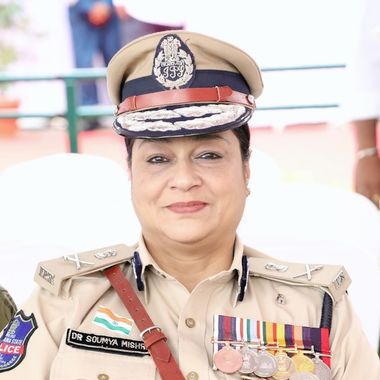
Dr. Soumya Mishra, IPS, an accomplished Indian Police Service officer from the 1994 batch, hails from Cuttack, Odisha State, India. With a strong academic background in Sociology (M.A., Ph.D.) and Police Management (M.A.), she has dedicated nearly three decades to public service across the States of Andhra Pradesh, Telangana, and Odisha. Her career reflects a deep-rooted commitment to societal welfare, shaped by her upbringing and education. Known for her expertise in counter-extremism, law and order, CID investigations, and correctional services, Dr. Mishra has led transformative initiatives in community policing, gender sensitization, welfare reforms, technological innovation, and correctional services. Throughout her career, Dr. Mishra has held several key positions, beginning as Assistant Commissioner of Police in Vijayawada. She served as Superintendent of Police in Vizianagaram and Warangal Districts, Deputy Commissioner of Police in Cyberabad City, and held multiple Inspector General roles in Andhra Pradesh and Telangana States. Her leadership extended to roles such as Special Secretary to the Government, Department of Home, Telangana; Additional Director General of Police, Director General of Fire Services, Telangana; Director General of Fire Services & Home Guards, Odisha, etc. Currently, she serves as the Director General of Prisons & Correctional Services in Telangana, continuing her legacy of impactful public service and reform. Her distinguished service has earned her numerous accolades, including the prestigious President’s Police Medal for Distinguished Service in 2024.Breaking Chains: Evaluating the Effectiveness of NIVRUTTI Drug De-Addiction Centres in Central Prisons of Telangana State, India (PID071) Tuesday @ 3:55 PM

Deputy Inspector General of Prisons, Department of Prisons and Correctional Services, State Government of Telangana, India
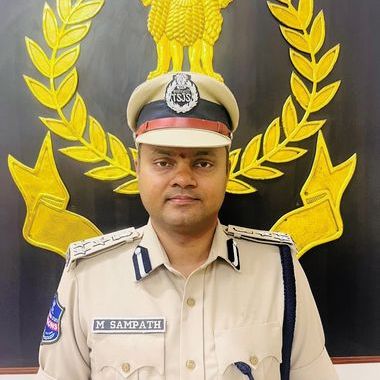
Mr. M. Sampath, currently serving as the Deputy Inspector General of Prisons for the Warangal Range in Telangana, began his career in the Department of Prisons and Correctional Services in 2012 as Deputy Superintendent of Prisons. He holds a BTech in Electronics Engineering and an MSc in Psychology, combining technical acumen with a deep understanding of human behavior. Over the years, he has held key positions including Superintendent of District Prison, Vice Principal of the State Institute of Correctional Administration, and Superintendent of Central Prison. His contributions extend beyond administrative roles, having actively participated in national-level prison reforms and training initiatives.Breaking Chains: Evaluating the Effectiveness of NIVRUTTI Drug De-Addiction Centres in Central Prisons of Telangana State, India (PID071) Tuesday @ 3:55 PM

Professor of Prison Administration, Academy of Prisons and Correctional Administration, India
Breaking Chains: Evaluating the Effectiveness of NIVRUTTI Drug De-Addiction Centres in Central Prisons of Telangana State, India (PID071) Tuesday @ 3:55 PM

Principle Forensic Psychologist, University of Malta, Malta
High Psychopathic Traits and its Association with the Severity of Offending, Recidivism and Failure or Resistance to Treatment amongst Incarcerated Offenders in Malta (PID040) Tuesday @ 4:15 PM

Forensic Psychology Practitioner, Correctional Services Agency, Malta
Ms Rianne Psaila has an extensive work experience with offenders dealing with issues such as anger management, addiction, sexual disorders, personality disorders, anxiety and depression as well as issues of adjustment. She specialises in interventions utilising a cognitive behavioural approach and also has experience carrying out personality assessments, clinical and forensic formulations and other specialised psychometric tools to assess risk and needs that clients might have. As a forensic psychology practitioner, she can bridge the aspects of psychology and legal issues. In fact, apart from completing a Masters in Forensic Psychology with the University of Coventry she also read for and completed a Masters in Criminology with the University of Malta.High Psychopathic Traits and its Association with the Severity of Offending, Recidivism and Failure or Resistance to Treatment amongst Incarcerated Offenders in Malta (PID040) Tuesday @ 4:15 PM

Postdoctoral Research Fellow, Queensland University of Technology, Australia
Olivia Miller is postdoctoral research fellow in the School of Psychology and Counselling at Queensland University of Technology. Her PhD examined the wellbeing of Australian Correctional Officers using a salutogenic framework and mixed methods. She maintains a keen interest in understanding post-trauma responses and promoting wellbeing in high-risk occupational groups like correctional officers. Using salutogenic and systems thinking frameworks, her research endeavors to support occupational health and safety in safety-critical industries like corrections, emergency services, and healthcare.Public perceptions of corrections: International differences and impact on correctional officer wellbeing and turnover intentions (PID012) Tuesday @ 4:15 PM
Interventions for prison work-related violence: A systems thinking perspective (PID011) Wednesday @ 11:00 AM

Principal Adviser Psychology Research, Department of Corrections, New Zealand
Dr Ryan Botha is a Registered Neuropsychologist and Principal Adviser for Psychology Research at the Department of Corrections in New Zealand. His research interests include personality psychopathology, risk assessment, cross-cultural psychology, neuropsychology, and psychological treatment efficacy. Dr Botha has published in international peer-reviewed journals and presented internationally on topics that have included: personality disorders/psychopathy, neuropsychological assessment and clinical risk assessment. Ryan has been appointed as an Honorary Research Associate with New Zealand Institute for Security and Crime Science.Process and Impact Evaluation of Special Treatment Units for Violent Offending in Aotearoa New Zealand (PID027) Tuesday @ 10:55 AM
Psychometric Properties of the LS/CMI Among Men Under Correctional Supervision in New Zealand (PID024) Tuesday @ 4:15 PM

Lecturer in Forensic Psychology, Te Herenga Waka, Victoria University of Wellington, New Zealand
Simon Davies completed his PhD in Forensic Psychology at Te Herenga Waka, Victoria University of Wellington. He also holds a law degree and is a registered clinical psychologist with experience working in correctional settings for Ara Poutama Aotearoa (New Zealand Department of Corrections). He joined the School of Psychological Sciences in 2024. His research to date has primarily focused on the areas of correctional risk assessment, rehabilitation, and community supervision, reflecting a broader interest in conducting applied research that aims to further the understanding of pathways into and out of criminal behaviour.Psychometric Properties of the LS/CMI Among Men Under Correctional Supervision in New Zealand (PID024) Tuesday @ 4:15 PM

CEO & Founder, MindTech, Finland
Pia Puolakka has more than 15 years of experience in the Finnish Prison and Probation Service. She began her career as a prison psychologist and later served as Senior Specialist responsible for rehabilitative services, including program delivery, psychological support, and spiritual care in prisons. From 2018 to 2023, she was Project Manager of Finland’s pioneering Smart Prison initiative, leading the development and implementation of secure digital services for prisoners and designing technology-assisted rehabilitation environments. In parallel, she managed the RISE AI project (2020–2024), advancing the use of artificial intelligence in corrections. Between 2022 and 2025, she led the Operative Management Unit, contributing to system-level reform and digital transformation strategies.Smart Prisons Research Results in Finland: Digitalization, Human Rights, and Rehabilitation (PID075) Tuesday @ 4:15 PM

Associate Professor, Victoria University of Wellington, New Zealand
Hedwig Eisenbarth received her PhD in Psychology as well as her clinical training in Cognitive Behavioural Therapy at the University of Würzburg (Germany). After post-doctoral research at the Department of Forensic Psychiatry at the University of Regensburg and at the University of Colorado Boulder she started her Affective and Criminal Neuroscience Lab (afcrinLab) at the University of Southampton. In 2018 she joined Victoria University of Wellington where she is now an Associate Professor in the School of Psychology. Her research group investigates how humans process emotional information and how this processing influences interpersonal behaviour, including antisocial and aggressive behaviour. In this research, personal factors like personality and environmental factors such as early life adversities and discrimination play an essential role. For her research she collaborates with Matauranga Māori researchers and includes the voices of people in prison aiming to for a comprehensive multilateral view on the issues driving and reducing antisocial behaviours.Implementing trauma-formed or trauma-focused care in corrections (PID131) Tuesday @ 4:15 PM

Manager Psychological Services, Ara Poutama Aotearoa, New Zealand
Nicky Perkins is a Registered Clinical Psychologist and Manager Psychological Services. She has worked for Ara Poutama Aotearoa, New Zealand Department of Corrections since 2007 and at Te Whare Manaakitanga Special Treatment Unit (Rimutaka Prison) since 2010. This one of four locations where the STU:VO (formerly STURP & VPU) is run. Her areas of expertise include the assessment and treatment of high-risk violent offenders, working with gang members and navigating gang exits, transnational organised crime, therapeutic communities and group work.Implementing trauma-formed or trauma-focused care in corrections (PID131) Tuesday @ 4:15 PM

Professor, University of Auckland, New Zealand
Tracey McIntosh, MNZM, is Ngāi Tūhoe and is Professor of Indigenous Studies in Te Wānanga o Waipapa (School of Māori Studies and Pacific Studies) at the University of Auckland. She is a Commissioner of Te Kāhui Tātari Ture: Criminal Cases Review Commission. She has recently finished her appointment as Chief Science Advisor for the Ministry of Social Development. She was the former Co-Director of Ngā Pae o te Māramatanga New Zealand’s Māori Centre of Research Excellence.Implementing trauma-formed or trauma-focused care in corrections (PID131) Tuesday @ 4:15 PM
Executive Director, Pū ʻ ā Foundation
Dr. Toni Bissen, has a background in law, and community based nonprofit management. She is the Executive Director of the Pū ʻ ā Foundation, a community based non-profit organization in Hawaii that drives ‘Trauma to Transformation’ programs for justice-involved women, girls & their families, especially Native Hawaiians.Implementing trauma-formed or trauma-focused care in corrections (PID131) Tuesday @ 4:15 PM

Research Professor, Pepperdine University & Baylor University, United States
Sung Joon Jang is Research Professor of Criminology and co-director of the Program on Prosocial Behavior within the Institute for Studies of Religion at Baylor University and Visiting Scholar at the Center for Faith and the Common Good at Pepperdine University. His research focuses on the effects of religion and spirituality as well as family, school, and peers on crime and delinquency. It has been published in social scientific journals of sociology, criminology, psychology, and social work. He is also co-author of two books, The Angola Prison Seminary (2016), which evaluates the influence of a Bible College and inmate-led congregations on prisoners serving long and life sentences, and The Restorative Prison: Essays on Inmate Peer Ministry and Prosocial Corrections (2021), which looks at the empirical evidence in support of the link between religion and the emerging sub-field of positive criminology. Jang has conducted a quasi-experimental study assessing the effectiveness of a trauma healing program for jail inmates and a series of studies examining the effects of faith-based programs on prisoner rehabilitation (identity transformation, a sense of meaning and purpose in life, and virtue development) in Colombia and South Africa as well as in the United States. Jang is the founding President of the Korean Society of Criminology in America and has been active in many capacities in the American Society of Criminology. Jang is co-principal investigator of the Global Flourishing Study, a 5-year longitudinal study which will survey more than 200,000 participants in 22 countries annually from 2021 to 2026.Faith-based Programs and Restorative Rehabilitation in Colombian Prisons: A Study of Identity Transformation and Human Flourishing (PID102) Tuesday @ 4:35 PM

Associate Professor, Loyola University Chicago, United States
Research and development efforts to promote prison reform: a case study in Chile (PID043) Tuesday @ 4:35 PM

Senior Programs Evaluation Officer, South Australian Department for Correctional Services, Australia
An empirical examination of the construct and predictive validity of the Violence Risk Scale in Aboriginal and non-Aboriginal prisoner populations in Australia (PID052) Tuesday @ 4:35 PM

Principal Advisor, African Australian Services Project, Department for Correctional Services, Australia
Yilma Woldgabreal, PhD in Psychology, has dedicated over 25 years of service with the Department for Correctional Services in South Australia, and in 2024, he was awarded the National Australian Corrections Medal for his outstanding contributions. Throughout his career, Yilma has held various key roles ranging from frontline work to senior management in community corrections. Since 2016, Yilma has concentrated on rehabilitation programs development and delivery. Yilma also holds Adjunct Academic Status at Flinders University, published broadly, and his research interest includes forensic psychology risk assessment, challenges facing ethnic minorities within the criminal justice system, and strength-based interventions with justice-involved people.A dual-continua model of trauma-informed intervention with justice-involved people (PID038) Tuesday @ 3:35 PM
An empirical examination of the construct and predictive validity of the Violence Risk Scale in Aboriginal and non-Aboriginal prisoner populations in Australia (PID052) Tuesday @ 4:35 PM

Associate Professor & Director of Graduate Studies, Indiana University - Bloomington, United States
Miriam J. Northcutt Bohmert is a faculty member at Indiana University in Bloomington, where her research focuses on corrections, community supervision, and the intersection of criminal justice policy and practice. She has led and collaborated on multiple studies examining evidence-based approaches to rehabilitation and reintegration, funded by National Science Foundation, National Institutes of Justice, and Arnold Ventures. Her work emphasizes translating research and data into actionable strategies that promote safer environments and more effective correctional outcomes.A Qualitative Multiple Case Study of Stakeholder Experiences Comparing Legacy and Mature Data Systems (PID103) Tuesday @ 4:45 PM

Thought Leadership - Adjunct Professor, Mi-Case, United States
A Qualitative Multiple Case Study of Stakeholder Experiences Comparing Legacy and Mature Data Systems (PID103) Tuesday @ 4:45 PM

Director of Innovation, Mi-Case, United States
Christina Reagle, former Commissioner of the Indiana Department of Correction, currently serves as the Director of Corrections Innovation at Mi-Case where she leads the development and implementation of transformative correctional management solutions. With over 15 years of experience in the public sector, she has led multiple teams including finance, data science, and technology services. She served as the executive sponsor for Project DELTA, a major modernization initiative that consolidated 13 legacy systems into a single offender management system, achieving a successful go-live just 27 months after the initial kickoff. She holds a Bachelor’s degree from Indiana University Indianapolis and an MBA from Indiana State University. Christina is a board member of the Association of Women Executives in Corrections and has served as Treasurer for the Corrections Technology Association.A Qualitative Multiple Case Study of Stakeholder Experiences Comparing Legacy and Mature Data Systems (PID103) Tuesday @ 4:45 PM

Principal Research Officer, Uganda Prisons Service, Uganda
Ms. Apimo Dorothy is Principal Research Officer with the Uganda Prisons Service, where she has served since 2005. She holds a Master’s in Economic Policy and Planning and has over 18 years of experience in research, policy development, and program design. She has led and contributed to studies on correctional policies, rehabilitation, and offender reintegration, shaping policy discussions and best practices in corrections management. Committed to evidence-based approaches, she advances initiatives that foster rehabilitation, reintegration, and sustainable impact for individuals and communities.Analysing the Effectiveness of Uganda Prisons Service Rehabilitation Programs on Recidivism (PID145) Tuesday @ 4:55 PM

Senior Superintendent of Prisons (SSP) Human Resource Management and Special Duties of the Commissioner General of Prisons, Uganda Prisons Service
Dr. Onesmus Bitaliwo is a Senior Superintendent of Prisons with the Uganda Prisons Service. He holds a PhD in Public Administration and has over 18 years of experience in corrections, focusing on rehabilitation, transitional justice, and policy reform. His research emphasises evidence-based approaches to rehabilitation, desistance, and reintegration, with several publications on criminal justice policy and governance. He is an active member of ICPA and ACSA correctional networks, contributing to regional and international dialogues on correctional practices and reforms.Analysing the Effectiveness of Uganda Prisons Service Rehabilitation Programs on Recidivism (PID145) Tuesday @ 4:55 PM

Principal Officer One/Research, Uganda Prisons Service, Uganda
Analysing the Effectiveness of Uganda Prisons Service Rehabilitation Programs on Recidivism (PID145) Tuesday @ 4:55 PM

Jail Officer, Bureau of Jail Management and Penology, Philippines
Dr Robert Mutia has been a member of the Bureau of Jail Management and Penology since 2008 up to the present. He is a seasoned Jail Officer assigned to various roles throughout the country. He conducted multiple research projects in the jail bureau and is passionate about the topics of education for persons deprived of Liberty and digital transformation within the bureau. He is also a part-time instructor at the Jail National Training Institute (JNTI). His enthusiasm and dedication to lifelong learning are evident in his work and personal beliefs.Enhanced College Education Behind Bars: A Strategic Program for Development and Societal Reintegration (PID077) Tuesday @ 4:55 PM

Principal Psychologist, Ministry of Home Affairs Singapore, Singapore
Boon Siang Kwek is a Principal Psychologist with the Home Team Psychology Division at the Ministry of Home Affairs, holding the appointment of Deputy Director of the Crime and Forensic Psychology branch. Before his current appointment, he was with the Singapore Prison Service for more than 14 years. He held the appointment of Senior Assistant Director (Psychological Services Branch), leading a team of psychologists to conduct risk assessment and psychological intervention for sexual and violent offenders. In addition, he was involved in the design, development, evaluation, and conduct of group-based rehabilitation programmes for sexual and violent offenders in prison. Boon Siang graduated with a Master of Arts (Applied Psychology) from the National Institute of Education, Singapore, and received the Gold Medallist Award for his top performance in his cohort. Boon Siang is also an associate faculty of the Master of Psychology (Forensic) programme and serves as a member of the Psychology Programme Advisory Committee in Singapore University of Social Sciences. He is pursuing his PhD with the National Institute of Education, Nanyang Technological University. Recently, he published a co-edited book titled “Group Work in Correctional Rehabilitation".Beyond Tools and Scores: Rapport in RNR Assessment Interviews as a Lever for Correctional Change (PID134) Tuesday @ 4:55 PM

Group Director (Strategy & Research Group), Senior Principal Clinical & Forensic Psychology, Chief Data Officer, National Council of Social Service, Singapore
Dr. Chi Meng Chu is the Group Director (Strategy and Research Group), and the Senior Principal Clinical and Forensic Psychologist at the National Council of Social Service, Singapore. He concurrently holds an appointment as the Director (Special Projects) at the Ministry of Social and Family Development, Singapore. In addition, Chi Meng is an Adjunct Associate Professor at the Department of Psychology, National University of Singapore. Chi Meng has had past stints in delivering forensic health services, overseeing research and evaluation programmes, as well as dabbling in policy work for youth-at-risk issues. Aside from implementing corporate strategies to develop the social service sector in Singapore, Chi Meng currently directs several longitudinal research programmes and a multi-birth-cohort study spanning more than 30 cohorts.Reintegration and Community Connections (PID132) Wednesday @ 8:30 AM

Associate Professor, University of Waikato, New Zealand
Armon Tamatea (Rongowhakāta; Te Aitanga-a-Māhaki) is a clinical psychologist who served as a clinician and senior research advisor for Ara Poutama Aotearoa before joining the School of Psychology at the University of Waikato. He has worked extensively in the assessment and treatment of violent and sexual offenders and contributed to the design and implementation of an experimental prison-based violence prevention programme for high-risk offenders diagnosed with psychopathy. Armon is the Director of clinical psychology training at the University of Waikato as well as the project lead for Nga Tūmanakotanga, a multi-year MBIE-funded research programme that aims to understand and reduce prison violence in New Zealand. His research interests include institutional violence, psychopathy, New Zealand gang communities, and exploring culturally-informed approaches to offender management. Armon currently divides his professional time between research, teaching, and supervision in the criminal justice arena.Safer Correctional Environments (PID170) Wednesday @ 9:30 AM
Understanding prison ecologies: An approach to addressing institutional aggression in Aotearoa-New Zealand (PID114) Wednesday @ 11:00 AM

Director of NZ Institute Security Crime Science/Psychology Professor, University of Waikato, New Zealand
Devon Polaschek, MNZM is a Clinical Psychologist, Professor of Psychology and Director of Te Puna Haumaru New Zealand Institute of Security and Crime Science, The University of Waikato/Te Whare Wānanga o Waikato. She is the author of more than 150 journal articles, book chapters and government reports. Her research interests include risk assessment, understanding and preventing reoffending in people with histories of serious violent and sexual offenses, family violence, psychopathy, imprisonment, desistance, reintegration, and parole.Process and Impact Evaluation of Special Treatment Units for Violent Offending in Aotearoa New Zealand (PID027) Tuesday @ 10:55 AM
Safer Correctional Environments (PID170) Wednesday @ 9:30 AM
Understanding prison ecologies: An approach to addressing institutional aggression in Aotearoa-New Zealand (PID114) Wednesday @ 11:00 AM

Prison Reintegration Coordinator, Maketu Hauora, New Zealand
Safer Correctional Environments (PID170) Wednesday @ 9:30 AM
Me Mahi Tahi Tātou - Let's work together (PID166) Wednesday @ 2:17 PM

Deputy Commissioner, Custodial Operations, Corrections Victoria, Australia
Melissa is the Deputy Commissioner for Custodial Operations in Corrections Victoria. Corrections Victoria is the public body responsible for operating adult prisons in Victoria, Australia.Safer Correctional Environments (PID170) Wednesday @ 9:30 AM

Postdoctoral Research Fellow, Queensland University of Technology, Australia
Olivia Miller is postdoctoral research fellow in the School of Psychology and Counselling at Queensland University of Technology. Her PhD examined the wellbeing of Australian Correctional Officers using a salutogenic framework and mixed methods. She maintains a keen interest in understanding post-trauma responses and promoting wellbeing in high-risk occupational groups like correctional officers. Using salutogenic and systems thinking frameworks, her research endeavors to support occupational health and safety in safety-critical industries like corrections, emergency services, and healthcare.Public perceptions of corrections: International differences and impact on correctional officer wellbeing and turnover intentions (PID012) Tuesday @ 4:15 PM
Interventions for prison work-related violence: A systems thinking perspective (PID011) Wednesday @ 11:00 AM

Assistant Professor, Université Laval, Canada
Denise Michelle Brend, MSW, PhD is an assistant professor in the School of social work and criminology, Université Laval, Canada. Her research themes include the potential impacts of trauma on individuals, communities, and in helping relationships; systemic factors impacting wellbeing; and, structural approaches to occupational well-being in trauma-exposed settings. She is a co-investigator in the Canadian Consortium on Trauma in Children and Adolescents; a regular researcher at the Centre international de criminologie comparée (CICC) and the centre for Applied, interdisciplinary research on intimate, family, and structural violence (RAIV); and an advisor for Justice 2.0. A practicing clinical supervisor for social workers and psychotherapists, Dr. Brend has over 20 years of clinical experience working with professionals, and voluntary and involuntary clients in community and mental health settings. She is currently working on projects implementing and evaluating trauma-informed care in institutional settings for youth in Canada and Europe; multiple clinical support and knowledge mobilization strategies to promote trauma-informed care in systems of care and control for youth and adults in north and south America; and, an ongoing analysis of trauma-informed care in carceral settings with a particular focus on staT wellbeing and particular needs among staT belonging to equity-deserving groups (i.e., members of the 2sLGBTQi community, racialized people, Indigenous peoples, and those facing sex discrimination).Correctional officer experiences of moral distress, trauma-informed organizational practices, and structural stigma (PID005) Wednesday @ 11:00 AM

PhD candidate, University of Parma, Italy
Prison Food, Social Sustainability and Reeducation: A Case Study of Three Italian Prisons (Parma, Reggio Emilia and Civitavecchia) (PID130) Wednesday @ 11:00 AM

Use of Force Evidence Specialist, HMPPS, United Kingdom
Clarice Watkinson is an Evidence Specialist in Use of Force in HMPPS. Clarice believes that evidence and research are vital to informing the decision-making of Senior Leadership and in the development of policy change and is an advocate of prisoner voice. Witnessing first-hand the positive impact that evidence-informed decisions can have on operational processes and her belief that rehabilitation is fundamental to creating safe, fair, and procedurally just custodial environments, is what drives her enthusiasm. Prior to becoming an Evidence Specialist, Clarice worked as a Safety Analyst in HMPPS supporting prisons to effectively analyse and utilise their safety data and has experience of working in the operational frontline as a Mental Health Crisis Worker. Clarice has an academic background and completed an MSc in Forensic and Investigative Psychology prior to pursuing her career.Improving Safety Across the Estate: Early Insights into HMPPS’ New Use of Force Training Curriculum (PID067) Wednesday @ 11:00 AM

Head of Insights and Assurance, HMPPS, United Kingdom
Dr Grant Bosworth is the Head of the Insights and Assurance Team within the Operational Response and Resilience Unit within HMPPS. Grant has both an academic background, completing a PhD in psychological approaches to behaviour change, and extensive experience of prisons and immigration detention centres through his work with the UK Home Office and Ministry of Justice. In his current role, he leads a multidisciplinary team that oversees the governance arrangements for Use of Force across the male, female and children’s estate in England and Wales. His team comprises leaders in assurance, practice development, data, research, and subject matter expertise who together aim to promote the highest professional standards in custodial settings.Improving Safety Across the Estate: Early Insights into HMPPS’ New Use of Force Training Curriculum (PID067) Wednesday @ 11:00 AM

Associate Professor, University of Waikato, New Zealand
Armon Tamatea (Rongowhakāta; Te Aitanga-a-Māhaki) is a clinical psychologist who served as a clinician and senior research advisor for Ara Poutama Aotearoa before joining the School of Psychology at the University of Waikato. He has worked extensively in the assessment and treatment of violent and sexual offenders and contributed to the design and implementation of an experimental prison-based violence prevention programme for high-risk offenders diagnosed with psychopathy. Armon is the Director of clinical psychology training at the University of Waikato as well as the project lead for Nga Tūmanakotanga, a multi-year MBIE-funded research programme that aims to understand and reduce prison violence in New Zealand. His research interests include institutional violence, psychopathy, New Zealand gang communities, and exploring culturally-informed approaches to offender management. Armon currently divides his professional time between research, teaching, and supervision in the criminal justice arena.Safer Correctional Environments (PID170) Wednesday @ 9:30 AM
Understanding prison ecologies: An approach to addressing institutional aggression in Aotearoa-New Zealand (PID114) Wednesday @ 11:00 AM

Director of NZ Institute Security Crime Science/Psychology Professor, University of Waikato, New Zealand
Devon Polaschek, MNZM is a Clinical Psychologist, Professor of Psychology and Director of Te Puna Haumaru New Zealand Institute of Security and Crime Science, The University of Waikato/Te Whare Wānanga o Waikato. She is the author of more than 150 journal articles, book chapters and government reports. Her research interests include risk assessment, understanding and preventing reoffending in people with histories of serious violent and sexual offenses, family violence, psychopathy, imprisonment, desistance, reintegration, and parole.Process and Impact Evaluation of Special Treatment Units for Violent Offending in Aotearoa New Zealand (PID027) Tuesday @ 10:55 AM
Safer Correctional Environments (PID170) Wednesday @ 9:30 AM
Understanding prison ecologies: An approach to addressing institutional aggression in Aotearoa-New Zealand (PID114) Wednesday @ 11:00 AM

Principal research Adviser, Department of Corrections, New Zealand
Tēnā koutou katoa. Ko Mitchell Takiari tōku ingoa. He uri ahau nō Waikato-Tainui me Ngāti Maniapoto.Whakawhanaungatanga: Towards an indigenous response framework for addressing violence and aggression in Prison settings (PID065) Wednesday @ 11:22 AM

Founder and CEO, Unlocked Graduates, United Kingdom
Natasha is the founder and CEO of Unlocked Graduates, one of the UK’s largest prison reform charities. Unlocked develops leaders who work in prisons to break cycles of reoffending. Since 2017, our flagship graduate programme has placed nearly 900 top graduates in 38 prisons across England and Wales, reaching more than 125,000 prisoners.Leading prison landings: learning from Unlocked Graduates (PID099) Wednesday @ 11:22 AM

Principal Research Adviser, Department of Corrections, New Zealand
Fiona Conlon is a Principal Research Adviser in the Research Team in the New Zealand Department of Corrections. She has worked in the Department for over four years. As a researcher and evaluator for over twenty years, she knows that research has the power to challenge thinking, influence change and improve outcomes for some of the most vulnerable and marginalised in society. She is focused mainly on qualitative research to understand the ‘why’? Key research and evaluation projects undertaken for the Department of Corrections have included supported accommodation for women, mothers with babies, best practice case management, corrections officer training and arts programmes in the prison setting. Fiona also supports the commissioning of internal research in the Department and external university student research projects (many from our own staff) from universities in New Zealand to ensure ethical and methodologically robust research.Does treatment work? Development of He Pou Tohutohu, an outcome measure for alcohol and other drug treatment programmes based in mātauranga Māori (PID120) Tuesday @ 11:39 AM
Arts Programmes in Corrections: the desistance journey (PID104) Wednesday @ 11:30 AM

Senior Principal Landscape Architect, Boffa Miskell, New Zealand
Integrating Landscape, Culture, and Community in Corrections: The Waikeria Prison Redevelopment (PID119) Wednesday @ 11:30 AM

Senior Lecturer in Law, University of Auckland, New Zealand
Dr Katherine Doolin is a Senior Lecturer in the Faculty of Law at Waipapa Taumata Rau | The University of Auckland, Aotearoa New Zealand, having previously held academic positions at the University of Birmingham and the University of Kent in the UK. She has also been a Visiting Scholar at the University of Cambridge and the University of Bath in the UK, and KU Leuven in Belgium. Dr Doolin researches and teaches in the areas of criminal law and criminal justice, with particular expertise in prison violence, prison gangs, and prison safety; restorative justice; and youth justice. She has recently completed an international, comparative empirical study of prison violence in male prisons in England, Australia and Aotearoa New Zealand, and is currently undertaking a research programme on restorative approaches in prisons with the UK Restorative Justice Council.Prison Violence, Prison Staff Assaults, and the Foundations of Carceral Safety (PID106) Wednesday @ 11:44 AM

Senior Lecturer in Forensic Psychology, Te Herenga Waka, Victoria University of Wellington, New Zealand
Julia Yesberg received her PhD in Forensic Psychology at Te Herenga Waka - Victoria University of Wellington. In 2019 she was awarded an Economic and Social Research Council New Investigator Grant which she completed in the Jill Dando Institute of Security and Crime Science at University College London. Julia joined the School of Psychological Sciences at Te Herenga Waka in 2024 where she teaches on under-graduate and post-graduate courses, including the MSc in Forensic Psychology. Her current research focuses on exploring public attitudes toward the criminal justice system, with a particular focus on the psychological factors that underpin support for various policies and practices. A central theme across her work is procedural justice – how perceptions of fairness and institutional conduct influence attitudes and behaviours. At the heart of her research is a commitment to improving the experiences and outcomes of individuals within the justice system.Going Above and Beyond: Procedural Justice, Mental Wellbeing, and Organisational Citizenship Among New Prison Officers (PID123) Wednesday @ 11:44 AM

Doctoral Candidate in Criminology & Criminal Justice, The University of Texas at Dallas, United States
Dynamic Security and the Arts in Prisons (PID156) Wednesday @ 12:00 PM

Manager Research and Evaluation, Corrective Services NSW, Australia
Dr Mark Howard is a forensic psychologist by trade with several years’ experience in the local criminal justice system, providing psychological assessments and expert evidence for the NSW Courts. He received his PhD at the University of NSW in 2013, focusing on cognitive inhibitory responses to traumatic events. He is currently Manager of Research and Evaluation at the Corrections Research Evaluation and Statistics (CRES) branch of Corrective Services NSW. In collaboration with a team of researchers and external partners Dr Howard is currently engaged in a range of research projects, with interests in prison and other correctional climates, sexual offending, mechanisms of change in treatment, and program evaluation.The Intervention Pathways (IP) model: Insights into the delivery and effectiveness of behaviour change interventions in custodial settings (PID133) Wednesday @ 12:00 PM

Manager of Impact & Evaluation, Amend at University of California, San Francisco, United States
Madeline Adee has worked at the intersection of public health and incarceration for over a decade. Her work has focused on research and interventions to improve health and well-being in prisons, and to address human rights concerns. Madeline is currently the Manger of Impact and Evaluation at Amend at University of California, San Francisco (UCSF). Amend is an organization based at the UCSF School of Medicine that works to transform prisons by sharing expertise to reduce harm and promote the health and humanity of prison staff and people who are incarcerated.The Positive Impact of a Solitary Confinement Intervention on Prison Staff (PID111) Wednesday @ 12:07 PM

Rector, Professor, University of Justice, Poland
Behind the Uniform: Psychosocial Determinants of Work Engagement and Wellbeing Among Polish Prison Officers (PID151) Wednesday @ 12:07 PM

Assistant Professor, DePaul University, United States
A Different Kind of Check-In: Wellness and the Future of Probation (PID046) Wednesday @ 1:30 PM

Service Manager, Community Corrections, New Zealand
Secondary Traumatic Stress in New Zealand Probation Officers (PID013) Wednesday @ 1:30 PM

Doctoral Student, University of Ottawa, Canada
Beyond One-Size-Fits-All: Informal Social Control and Indigenous Experiences in Corrections (PID047) Wednesday @ 1:30 PM

Program Lead Shaping Corrections, Department for Correctional Services South Australia, Australia
Tom has spent the past 5 years working in South Australian Government with the Department for Correctional Services and Wellbeing SA delivering service improvement, organisational change, and health promotion initiatives for the purpose of improving rehabilitation, health, and social outcomes. Prior to that he worked in the tertiary education sector with the University of Adelaide and University of South Australia.Shaping Corrections – using a practice-informed, staff-led approach to improve discharge planning and deliver successful community reintegration outcomes (PID064) Wednesday @ 1:55 PM

Principal Policy and Project Officer, Department for Correctional Services South Australia, Australia
Sophie Ransom has worked in the justice and public health sectors for over twenty-five years, undertaking research, evaluation, policy and project work. She has published papers on topics including therapeutic responses to justice-involved people, vehicle theft prevention and smoke-free areas. Sophie has worked at the South Australian Department for Correctional Services for the past six years. Her research and evaluation projects include evaluations of criminogenic rehabilitation programs, validation studies of criminogenic risk assessment tools and evaluations of cultural and employment support programs for correctional clients.Shaping Corrections – using a practice-informed, staff-led approach to improve discharge planning and deliver successful community reintegration outcomes (PID064) Wednesday @ 1:55 PM

Lecturer, Australian National University, Australia
Dr Helen Taylor is a Lecturer of Criminology in POLIS: The Centre for Social Policy Research at the Australian National University (ANU). She was previously the Research Manager of the Reducing Recidivism Research Collaboration, a partnership between the ANU and the ACT Government. Helen is an expert on the ACT criminal justice system and has expertise in evaluation methodologies having led both process and outcome evaluations of ACT government projects aimed to reduce recidivism. Her research interests include restorative justice, criminal justice reform, the digitisation of justice, Indigenous justice and countering violent extremism. Helen is the recent recipient of an Office of National Intelligence Discovery Grant to undertake research on the prevention of radicalisation and violent extremism. Helen is also passionate about integrating decolonising approaches into her research and teaching.‘Somewhere we can call home and…be normal’: Findings from the Justice Housing Program evaluation (PID086) Wednesday @ 1:55 PM

Professor, Australian National University, Australia
Lorana Bartels is a Professor of Criminology at the Australian National University and Adjunct Professor of Law at the University of Canberra and University of Tasmania. She is also a Fellow of the Australian Academy of Law and board director of the Justice Reform Initiative and ConFit Pathways. She has published five books, 140 peer-reviewed journal articles and book chapters, and numerous government consultancy reports. Her research focuses include the courts, corrections, and criminal justice responses to women, Indigenous people, young people, and people with disability.‘Somewhere we can call home and…be normal’: Findings from the Justice Housing Program evaluation (PID086) Wednesday @ 1:55 PM

Professor, UWA, Australia
Professor Hilde Tubex is the Director of Criminology at UWA specialising in numerous areas including comparative criminology and penal policy, Indigenous Peoples and the criminal justice system, criminalised women, life sentenced people and parole. Hilde obtained her PhD in Criminology from the Free University of Brussels, Belgium where she worked for 15 years as a researcher and lecturer. She also served as an expert advisor to the Council of Europe and advised the Belgian Minister of Justice on penal policy.Women, Indigenous peoples and recidivism; an investigation into the main drivers of an increasing prison population in Western Australia (PID066) Wednesday @ 1:55 PM

Principal Correctional Rehabilitation Specialist, Singapore Prison Service, Singapore
Valerie Goh currently serves as a Senior Assistant Director in the Community Corrections Command of the Singapore Prison Service (SPS), where she leads a branch that oversees the case management and supervision of persons on the Mandatory Aftercare Scheme. Evidence-informed rehabilitation features in initiatives she leads that bridge the gap between correctional research and practice, with a view of keeping the human element of rehabilitation at the forefront. This includes the importance of a desistance-supportive approach in Community Corrections which has the twin foci of personal transformation and establishing an ecosystem of social and community support.Adapting Family Reentry Circles for Singapore's Multicultural Context: Cultural Responsiveness in Correctional Reintegration (PID100) Wednesday @ 1:55 PM

Deputy Director (Psychological and Correctional Rehabilitation Division), Singapore Prison Service, Singapore
Ms Salina Samion is a counselling psychologist with 20 years’ experience working with the offender population. She headed the Psychological Programme Development Branch and led the development of various evidence-based programmes in Singapore Prison Service (SPS), including the first gender specific intervention for female offenders. She also helmed CNB Psychological Unit and pioneered the core skills training in effective supervision for CNB officers, that contributed to evidence based informed drug supervision. Salina co-led the MHA Office of Chief Psychologist drug workgroup that aims to support Singapore’ approach in drug prevention and rehabilitation through research and evidence.Adapting Family Reentry Circles for Singapore's Multicultural Context: Cultural Responsiveness in Correctional Reintegration (PID100) Wednesday @ 1:55 PM

Snr Research Fellow, UNSW Sydney, Australia
Jane Hwang is Senior Research Fellow at the Justice Health Research Program, School of Population Health, UNSW Sydney. She is a mixed-methods researcher interested in tackling health equity and social determinants of health for those facing intersectional challenges. She currently leads a suite of NHMRC-funded projects which seek to understand and respond to the ageing of justice-involved individuals in Australia through a variety of methodologies including longitudinal cohorts, digital tool design and stakeholder consensus building.Finding your place after prison in later life: A holistic, strengths-based and transdisciplinary framework for reintegrating well (PID084) Wednesday @ 2:17 PM

Senior Lecturer, Australian Catholic University, Australia
Dr Shannon Dodd is a Senior Lecturer in Criminology and Criminal Justice at Australian Catholic University. Her research examines Australia’s correctional system, including body-worn cameras in custody, people with disability in prison, public attitudes to parole, and punitive trends in bail and parole. She currently leads a project funded by the Australian Institute of Criminology on parole waivers, investigating why some people forgo parole opportunities and remain incarcerated until their sentence expires. In 2023, she received the Australian and New Zealand Society of Criminology's 'Early Career Award'.Unlocking Parole: Understanding Individual and Systemic Barriers to Parole Engagement among People in Prison (PID089) Wednesday @ 2:17 PM

Professor of Criminology, Australian National University, Australia
Lorana Bartels is a Professor of Criminology at the Australian National University and Adjunct Professor of Law at the University of Canberra and University of Tasmania. She is also a Fellow of the Australian Academy of Law and board director of the Justice Reform Initiative and ConFit Pathways. She has published five books, 140 peer-reviewed journal articles and book chapters, and numerous government consultancy reports. Her research focuses include the courts, corrections, and criminal justice responses to women, Indigenous people, young people, and people with disability.Unlocking Parole: Understanding Individual and Systemic Barriers to Parole Engagement among People in Prison (PID089) Wednesday @ 2:17 PM

Lecturer, Griffith University, Australia
Dr Caitlin Davey is an Indigenous Early Career Researcher and Lecturer in Criminology at Griffith University. Her research focuses on the Australian criminal justice system through an Indigenous lens, including systemic failures leading to wrongful convictions and understanding the causal impact of bail and remand decisions on life outcomes for people involved in the correctional system. With professional experience in prisons and community corrections, Caitlin brings applied insight to her research by grounding theoretical inquiry in the realities of frontline practice. Her firsthand understanding of institutional processes, staff-prisoner dynamics, and the challenge of rehabilitation informs her critical analysis of justice system failures.Unlocking Parole: Understanding Individual and Systemic Barriers to Parole Engagement among People in Prison (PID089) Wednesday @ 2:17 PM

Research Specialist, National Council of Social Service, Singapore
Qiao Kang Teo earned a PhD in Psychology from the National University of Singapore and is a Research Specialist at the National Council of Social Service, where he conducts population-level research on intergenerational transmission of criminal justice involvement in Singapore. His research utilises multi-birth-cohort administrative data to examine how parental offending patterns influence children's risk of offending. This work seeks to identify critical intervention points and inform evidence-based approaches to prevention, rehabilitation, and reintegration efforts.Supporting Reintegration and Preventing Intergenerational Continuity of Offending: Insights from Singapore (PID130) Wednesday @ 2:17 PM

Senior Adviser, Department of Corrections, New Zealand
Me Mahi Tahi Tātou - Let's work together (PID166) Wednesday @ 2:17 PM

Prison Reintegration Coordinator, Maketu Hauora, New Zealand
Safer Correctional Environments (PID170) Wednesday @ 9:30 AM
Me Mahi Tahi Tātou - Let's work together (PID166) Wednesday @ 2:17 PM

Chief Executive Officer, Maketu Hauora, New Zealand
Me Mahi Tahi Tātou - Let's work together (PID166) Wednesday @ 2:17 PM

Associate Professor, Swinburne University of Technology, Australia
Dr Caleb D. Lloyd is an Associate Professor at the Centre for Forensic Behavioural Science at Swinburne University of Technology in Melbourne, Australia. Dr Lloyd has an active program of research focused on developing solutions to contemporary challenges in corrections. He has published a variety of peer-reviewed academic articles on numerous criminal justice topics, with most focusing on how individuals engage in processes of behaviour change to desist from crime. Research topics span the entire pathway in and out of corrections, from citizen contact with police officers to sentencing decisions in courts, rehabilitation experiences in prison, reintegration into community corrections, and trajectories toward desistance from crime. His work has been published in a variety of high-quality academic journals, including Journal of Consulting and Clinical Psychology, Psychological Assessment, Journal of Research in Crime and Delinquency, Law and Human Behavior, Psychology Crime and Law, Legal and Criminological Psychology, Aggression and Violent Behavior, Justice Quarterly, and International Journal of Forensic Mental Health.Community-based intervention for people who have used family violence: Complex people with compounded life problems probably need composite interventions (PID152) Wednesday @ 2:39 PM

Senior Lecturer, Swinburne University of Technology, Australia
Community-based intervention for people who have used family violence: Complex people with compounded life problems probably need composite interventions (PID152) Wednesday @ 2:39 PM

Executive Director, ICPA, Australia
ICPA Welcome and Introductions Tuesday @ 8:30 AM
ICPA Reflections Wednesday @ 5:00 PM

Acting President, ICPA, Australia
ICPA Welcome and Introductions Tuesday @ 8:30 AM
ICPA Closing Wednesday @ 5:10 PM

Manager of Impact & Evaluation, Amend at University of California, San Francisco, United States
Madeline Adee has worked at the intersection of public health and incarceration for over a decade. Her work has focused on research and interventions to improve health and well-being in prisons, and to address human rights concerns. Madeline is currently the Manger of Impact and Evaluation at Amend at University of California, San Francisco (UCSF). Amend is an organization based at the UCSF School of Medicine that works to transform prisons by sharing expertise to reduce harm and promote the health and humanity of prison staff and people who are incarcerated.The Positive Impact of a Solitary Confinement Intervention on Prison Staff (PID111) Wednesday @ 12:07 PM

Principal Research Officer, Uganda Prisons Service, Uganda
Ms. Apimo Dorothy is Principal Research Officer with the Uganda Prisons Service, where she has served since 2005. She holds a Master’s in Economic Policy and Planning and has over 18 years of experience in research, policy development, and program design. She has led and contributed to studies on correctional policies, rehabilitation, and offender reintegration, shaping policy discussions and best practices in corrections management. Committed to evidence-based approaches, she advances initiatives that foster rehabilitation, reintegration, and sustainable impact for individuals and communities.Analysing the Effectiveness of Uganda Prisons Service Rehabilitation Programs on Recidivism (PID145) Tuesday @ 4:55 PM

Clinical Psychologist & Researcher, Victoria University of Wellington, New Zealand
Dr Mackenzie Auld is a registered Clinical Psychologist working in the assessment and treatment of justice-involved persons. She recently completed her PhD in Forensic Psychology which adopted a mixed methods approach and evaluated the relationship between the New Zealand Register and recidivism outcomes for registered persons. Trained in various risk assessment tools, Mackenzie's areas of interest include sexual harm prevention and treatment, the implementation of evidence-based practice and policies, and taking a human services approach to community risk management.Doing Things Differently: A Human Services Approach to Registration and Community Risk Management for Sexual Offending (PID140) Tuesday @ 11:17 AM

Professor, Australian National University, Australia
Lorana Bartels is a Professor of Criminology at the Australian National University and Adjunct Professor of Law at the University of Canberra and University of Tasmania. She is also a Fellow of the Australian Academy of Law and board director of the Justice Reform Initiative and ConFit Pathways. She has published five books, 140 peer-reviewed journal articles and book chapters, and numerous government consultancy reports. Her research focuses include the courts, corrections, and criminal justice responses to women, Indigenous people, young people, and people with disability.‘Somewhere we can call home and…be normal’: Findings from the Justice Housing Program evaluation (PID086) Wednesday @ 1:55 PM

Professor of Criminology, Australian National University, Australia
Lorana Bartels is a Professor of Criminology at the Australian National University and Adjunct Professor of Law at the University of Canberra and University of Tasmania. She is also a Fellow of the Australian Academy of Law and board director of the Justice Reform Initiative and ConFit Pathways. She has published five books, 140 peer-reviewed journal articles and book chapters, and numerous government consultancy reports. Her research focuses include the courts, corrections, and criminal justice responses to women, Indigenous people, young people, and people with disability.Unlocking Parole: Understanding Individual and Systemic Barriers to Parole Engagement among People in Prison (PID089) Wednesday @ 2:17 PM
Executive Director, Pū ʻ ā Foundation
Dr. Toni Bissen, has a background in law, and community based nonprofit management. She is the Executive Director of the Pū ʻ ā Foundation, a community based non-profit organization in Hawaii that drives ‘Trauma to Transformation’ programs for justice-involved women, girls & their families, especially Native Hawaiians.Implementing trauma-formed or trauma-focused care in corrections (PID131) Tuesday @ 4:15 PM

Senior Superintendent of Prisons (SSP) Human Resource Management and Special Duties of the Commissioner General of Prisons, Uganda Prisons Service
Dr. Onesmus Bitaliwo is a Senior Superintendent of Prisons with the Uganda Prisons Service. He holds a PhD in Public Administration and has over 18 years of experience in corrections, focusing on rehabilitation, transitional justice, and policy reform. His research emphasises evidence-based approaches to rehabilitation, desistance, and reintegration, with several publications on criminal justice policy and governance. He is an active member of ICPA and ACSA correctional networks, contributing to regional and international dialogues on correctional practices and reforms.Analysing the Effectiveness of Uganda Prisons Service Rehabilitation Programs on Recidivism (PID145) Tuesday @ 4:55 PM

Executive Director, ICPA, Australia
ICPA Welcome and Introductions Tuesday @ 8:30 AM
ICPA Reflections Wednesday @ 5:00 PM

Architect, Principle, Parkin Architects, Canada
Robert Boraks is a Canadian Architect, Principle of Parkin Architects Limited and a Fellow of the Royal Architectural Institute of Canada. He is also an Adjunct Professor at the Azrieli School of Architecture at Carleton University. Over the course of his 35 years of professional practice, he has had the opportunity of working on numerous building typologies and various forms of project delivery. All of his work is associated with delivery of “social architecture – that is, institutional responses meant to improve the human condition. As part of those efforts, he has developed a keen interest in the advancement corrections design as well as working with aboriginal peoples. He has participated in the design of numerous correctional facilities in Canada, the Middle East and in the Caribbean. Robert promotes the advantages of delivering effective secured environments that promote and preserve dignity for those that are incarcerated, for the staff that provides services within facilities, and to the communities that host the buildings. Recently, he has worked on a number of justice projects that are designed, delivered and constructed from modular units. His body of work has won numerous international design awards including the Citation for Design Excellence from the American Institute of Architects/AAJ University. He is a frequent presenter at international conferences.Designing and Building Effective Short Term Stay Detention Facilities (PID147) Tuesday @ 3:55 PM

Chief Psychologist/Director Programmes, Department of Corrections, New Zealand
Extending Rehabilitative Services in Remand: System Design, Implementation, and Practice Insights from Aotearoa (PID124) Tuesday @ 3:35 PM

Head of Insights and Assurance, HMPPS, United Kingdom
Dr Grant Bosworth is the Head of the Insights and Assurance Team within the Operational Response and Resilience Unit within HMPPS. Grant has both an academic background, completing a PhD in psychological approaches to behaviour change, and extensive experience of prisons and immigration detention centres through his work with the UK Home Office and Ministry of Justice. In his current role, he leads a multidisciplinary team that oversees the governance arrangements for Use of Force across the male, female and children’s estate in England and Wales. His team comprises leaders in assurance, practice development, data, research, and subject matter expertise who together aim to promote the highest professional standards in custodial settings.Improving Safety Across the Estate: Early Insights into HMPPS’ New Use of Force Training Curriculum (PID067) Wednesday @ 11:00 AM

Principal Adviser Psychology Research, Department of Corrections, New Zealand
Dr Ryan Botha is a Registered Neuropsychologist and Principal Adviser for Psychology Research at the Department of Corrections in New Zealand. His research interests include personality psychopathology, risk assessment, cross-cultural psychology, neuropsychology, and psychological treatment efficacy. Dr Botha has published in international peer-reviewed journals and presented internationally on topics that have included: personality disorders/psychopathy, neuropsychological assessment and clinical risk assessment. Ryan has been appointed as an Honorary Research Associate with New Zealand Institute for Security and Crime Science.Process and Impact Evaluation of Special Treatment Units for Violent Offending in Aotearoa New Zealand (PID027) Tuesday @ 10:55 AM
Psychometric Properties of the LS/CMI Among Men Under Correctional Supervision in New Zealand (PID024) Tuesday @ 4:15 PM

Assistant Professor, Université Laval, Canada
Denise Michelle Brend, MSW, PhD is an assistant professor in the School of social work and criminology, Université Laval, Canada. Her research themes include the potential impacts of trauma on individuals, communities, and in helping relationships; systemic factors impacting wellbeing; and, structural approaches to occupational well-being in trauma-exposed settings. She is a co-investigator in the Canadian Consortium on Trauma in Children and Adolescents; a regular researcher at the Centre international de criminologie comparée (CICC) and the centre for Applied, interdisciplinary research on intimate, family, and structural violence (RAIV); and an advisor for Justice 2.0. A practicing clinical supervisor for social workers and psychotherapists, Dr. Brend has over 20 years of clinical experience working with professionals, and voluntary and involuntary clients in community and mental health settings. She is currently working on projects implementing and evaluating trauma-informed care in institutional settings for youth in Canada and Europe; multiple clinical support and knowledge mobilization strategies to promote trauma-informed care in systems of care and control for youth and adults in north and south America; and, an ongoing analysis of trauma-informed care in carceral settings with a particular focus on staT wellbeing and particular needs among staT belonging to equity-deserving groups (i.e., members of the 2sLGBTQi community, racialized people, Indigenous peoples, and those facing sex discrimination).Correctional officer experiences of moral distress, trauma-informed organizational practices, and structural stigma (PID005) Wednesday @ 11:00 AM

Acting President, ICPA, Australia
ICPA Welcome and Introductions Tuesday @ 8:30 AM
ICPA Closing Wednesday @ 5:10 PM
Manager Psychological Services Christchurch Women’s Prison, New Zealand Department of Corrections / Ara Poutama Aotearoa, New Zealand
Integrating Culturally Grounded Approaches into Women’s Rehabilitation Programmes in Aotearoa-New Zealand Prisons (PID074) Tuesday @ 10:55 AM

Complaint Support Lead, Department of Corrections, New Zealand
“It’s Not Built for Us": Exploring the Lived Experience of Young Adult Male Prisoners Diagnosed with ADHD (PID050) Tuesday @ 3:15 PM

Senior Program Evaluation Officer, South Australian Department for Correctional Services, Australia
An Evaluation of the South Australian Domestic and Family Violence Intervention Program (PID058) Tuesday @ 11:17 AM

General Manager, Prison Interventions (Forensic Psychologist), Forensic Intervention Services, Australia
Dr Julia Chan is a Forensic Psychologist passionate about using evidence-based practice to help those involved with the justice system to engage in meaningful behaviour change. She holds a Doctorate in Forensic Psychology and a PhD in Neuropsychology and has been working as a Forensic Psychologist for a decade. She is a dual practitioner and currently works for Forensic Intervention Services, Corrections Victoria as the General Manager, Prison Interventions, and also also as a Researcher and academic Lecturer at the University of Melbourne where she teaches, engages in research in Neuropsychology, and supervises Honours, Masters, and PhD students. She is a board-approved supervisor and supervises staff and students through registration pathways including the registrar program in the area of endorsement of Forensic Psychology.The impact of trauma on treatment outcomes in Australian offence-specific treatment (PID039) Tuesday @ 3:45 PM

Principal Research Adviser, Department of Corrections, New Zealand
Fiona Conlon is a Principal Research Adviser in the Research Team in the New Zealand Department of Corrections. She has worked in the Department for over four years. As a researcher and evaluator for over twenty years, she knows that research has the power to challenge thinking, influence change and improve outcomes for some of the most vulnerable and marginalised in society. She is focused mainly on qualitative research to understand the ‘why’? Key research and evaluation projects undertaken for the Department of Corrections have included supported accommodation for women, mothers with babies, best practice case management, corrections officer training and arts programmes in the prison setting. Fiona also supports the commissioning of internal research in the Department and external university student research projects (many from our own staff) from universities in New Zealand to ensure ethical and methodologically robust research.Does treatment work? Development of He Pou Tohutohu, an outcome measure for alcohol and other drug treatment programmes based in mātauranga Māori (PID120) Tuesday @ 11:39 AM
Arts Programmes in Corrections: the desistance journey (PID104) Wednesday @ 11:30 AM
Principal Advisor Psychology & Programmes, NZ Department of Corrections - Ara Poutama Aotearoa, Aotearoa - New Zealand
Integrating Culturally Grounded Approaches into Women’s Rehabilitation Programmes in Aotearoa-New Zealand Prisons (PID074) Tuesday @ 10:55 AM

Lecturer, Griffith University, Australia
Dr Caitlin Davey is an Indigenous Early Career Researcher and Lecturer in Criminology at Griffith University. Her research focuses on the Australian criminal justice system through an Indigenous lens, including systemic failures leading to wrongful convictions and understanding the causal impact of bail and remand decisions on life outcomes for people involved in the correctional system. With professional experience in prisons and community corrections, Caitlin brings applied insight to her research by grounding theoretical inquiry in the realities of frontline practice. Her firsthand understanding of institutional processes, staff-prisoner dynamics, and the challenge of rehabilitation informs her critical analysis of justice system failures.Unlocking Parole: Understanding Individual and Systemic Barriers to Parole Engagement among People in Prison (PID089) Wednesday @ 2:17 PM

Lecturer in Forensic Psychology, Te Herenga Waka, Victoria University of Wellington, New Zealand
Simon Davies completed his PhD in Forensic Psychology at Te Herenga Waka, Victoria University of Wellington. He also holds a law degree and is a registered clinical psychologist with experience working in correctional settings for Ara Poutama Aotearoa (New Zealand Department of Corrections). He joined the School of Psychological Sciences in 2024. His research to date has primarily focused on the areas of correctional risk assessment, rehabilitation, and community supervision, reflecting a broader interest in conducting applied research that aims to further the understanding of pathways into and out of criminal behaviour.Psychometric Properties of the LS/CMI Among Men Under Correctional Supervision in New Zealand (PID024) Tuesday @ 4:15 PM

Thought Leadership - Adjunct Professor, Mi-Case, United States
A Qualitative Multiple Case Study of Stakeholder Experiences Comparing Legacy and Mature Data Systems (PID103) Tuesday @ 4:45 PM

Enterprise Professor, Criminology School of Social and Political Sciences, University of Melbourne, Australia
Professor Andrew Day (the University of Melbourne; Flinders University, University of Waikato, Swinburne University) is an academic who has research interests in areas of offender rehabilitation, trauma-informed forensic practice, violent offending and youth justice. Andrew is widely published in the fields of forensic psychology and criminal justice. He previously worked as the Head of Research in the Indigenous Education and Research Centre at James Cook University and in the School of Psychology at Deakin University.A dual-continua model of trauma-informed intervention with justice-involved people (PID038) Tuesday @ 3:35 PM

Senior Lecturer, Australian Catholic University, Australia
Dr Shannon Dodd is a Senior Lecturer in Criminology and Criminal Justice at Australian Catholic University. Her research examines Australia’s correctional system, including body-worn cameras in custody, people with disability in prison, public attitudes to parole, and punitive trends in bail and parole. She currently leads a project funded by the Australian Institute of Criminology on parole waivers, investigating why some people forgo parole opportunities and remain incarcerated until their sentence expires. In 2023, she received the Australian and New Zealand Society of Criminology's 'Early Career Award'.Unlocking Parole: Understanding Individual and Systemic Barriers to Parole Engagement among People in Prison (PID089) Wednesday @ 2:17 PM

Senior Lecturer in Law, University of Auckland, New Zealand
Dr Katherine Doolin is a Senior Lecturer in the Faculty of Law at Waipapa Taumata Rau | The University of Auckland, Aotearoa New Zealand, having previously held academic positions at the University of Birmingham and the University of Kent in the UK. She has also been a Visiting Scholar at the University of Cambridge and the University of Bath in the UK, and KU Leuven in Belgium. Dr Doolin researches and teaches in the areas of criminal law and criminal justice, with particular expertise in prison violence, prison gangs, and prison safety; restorative justice; and youth justice. She has recently completed an international, comparative empirical study of prison violence in male prisons in England, Australia and Aotearoa New Zealand, and is currently undertaking a research programme on restorative approaches in prisons with the UK Restorative Justice Council.Prison Violence, Prison Staff Assaults, and the Foundations of Carceral Safety (PID106) Wednesday @ 11:44 AM

Principal Officer One/Research, Uganda Prisons Service, Uganda
Analysing the Effectiveness of Uganda Prisons Service Rehabilitation Programs on Recidivism (PID145) Tuesday @ 4:55 PM

Supervisor, Senior Advisor Aboriginal Programs, Department for Correctional Services, SA, Australia
Chelsea Dunn is a proud Warmuli and Gamillaroi woman living on Kaurna land. A qualified Social Worker, Chelsea brings a comprehensive understanding of the Criminal Justice System, with over 10 years of experience in the Department for Correctional Services. She currently serves as a Clinical Supervisor and Senior Advisor for Aboriginal Programs, where she oversees Men’s Behaviour Change Programs and supports culturally responsive practice. Prior to stepping into her current role, she contributed to the commissioning of South Australia’s first Aboriginal cultural treatment unit, located within the state’s highest-security prison, and held the position of Manager, Offender Development responsible for overseeing programs and services aimed at rehabilitation and reintegration of prisoners at a medium-security open campus prison.Trauma-informed Intervention with Justice-involved Aboriginal People (PID056) Tuesday @ 10:55 AM

Associate Professor, Victoria University of Wellington, New Zealand
Hedwig Eisenbarth received her PhD in Psychology as well as her clinical training in Cognitive Behavioural Therapy at the University of Würzburg (Germany). After post-doctoral research at the Department of Forensic Psychiatry at the University of Regensburg and at the University of Colorado Boulder she started her Affective and Criminal Neuroscience Lab (afcrinLab) at the University of Southampton. In 2018 she joined Victoria University of Wellington where she is now an Associate Professor in the School of Psychology. Her research group investigates how humans process emotional information and how this processing influences interpersonal behaviour, including antisocial and aggressive behaviour. In this research, personal factors like personality and environmental factors such as early life adversities and discrimination play an essential role. For her research she collaborates with Matauranga Māori researchers and includes the voices of people in prison aiming to for a comprehensive multilateral view on the issues driving and reducing antisocial behaviours.Implementing trauma-formed or trauma-focused care in corrections (PID131) Tuesday @ 4:15 PM

Advisor, The Norwegian Correctional Service, Oslo Probation Office, Norway
Katrine Fjørtoft is a social worker with a background in both social work and theater. She brings long-standing experience from the probation service, where she has worked with supervision, integration, and volunteer coordination. Katrine has played a key role in implementing Circles of Support and Accountability (CoSA) in Norway, contributing to the development of procedures and training. She works closely with volunteers and clients to ensure structured follow-up and support safe, meaningful integration into the community.Introducing Circles of Support and Accountability (CoSA) as a part of Norwegian Probation (PID154) Tuesday @ 11:39 AM

Assistant Professor, DePaul University, United States
A Different Kind of Check-In: Wellness and the Future of Probation (PID046) Wednesday @ 1:30 PM

Assistant Commissioner of Strategy & Policy, Corrective Services NSW, Australia
Rehabilitation: Evidence-Based Interventions and Outcomes (PID171) Tuesday @ 2:00 PM

Advanced Clinician - Criminal Justice, Borderline Personality Disorder Collaborative, Australia
Implementation of a Specialist Criminal Justice Role: A Collaborative Approach to Services for Offenders With Borderline Personality Disorder (PID121) Tuesday @ 11:39 AM

Principal Correctional Rehabilitation Specialist, Singapore Prison Service, Singapore
Valerie Goh currently serves as a Senior Assistant Director in the Community Corrections Command of the Singapore Prison Service (SPS), where she leads a branch that oversees the case management and supervision of persons on the Mandatory Aftercare Scheme. Evidence-informed rehabilitation features in initiatives she leads that bridge the gap between correctional research and practice, with a view of keeping the human element of rehabilitation at the forefront. This includes the importance of a desistance-supportive approach in Community Corrections which has the twin foci of personal transformation and establishing an ecosystem of social and community support.Adapting Family Reentry Circles for Singapore's Multicultural Context: Cultural Responsiveness in Correctional Reintegration (PID100) Wednesday @ 1:55 PM

Prison Reintegration Coordinator, Maketu Hauora, New Zealand
Safer Correctional Environments (PID170) Wednesday @ 9:30 AM
Me Mahi Tahi Tātou - Let's work together (PID166) Wednesday @ 2:17 PM

Programme Manager, Department of Corrections, New Zealand
Extending Rehabilitative Services in Remand: System Design, Implementation, and Practice Insights from Aotearoa (PID124) Tuesday @ 3:35 PM

Doctoral Candidate in Criminology & Criminal Justice, The University of Texas at Dallas, United States
Dynamic Security and the Arts in Prisons (PID156) Wednesday @ 12:00 PM

Manager Research and Evaluation, Corrective Services NSW, Australia
Dr Mark Howard is a forensic psychologist by trade with several years’ experience in the local criminal justice system, providing psychological assessments and expert evidence for the NSW Courts. He received his PhD at the University of NSW in 2013, focusing on cognitive inhibitory responses to traumatic events. He is currently Manager of Research and Evaluation at the Corrections Research Evaluation and Statistics (CRES) branch of Corrective Services NSW. In collaboration with a team of researchers and external partners Dr Howard is currently engaged in a range of research projects, with interests in prison and other correctional climates, sexual offending, mechanisms of change in treatment, and program evaluation.The Intervention Pathways (IP) model: Insights into the delivery and effectiveness of behaviour change interventions in custodial settings (PID133) Wednesday @ 12:00 PM

Principal Advisor, Department of Corrections, New Zealand
Terry Huriwai is of Ngati Whakaue, Ngati Pikiao and Ngati Porou descent. He has worked in a few roles in the addiction treatment sector and Corrections space for a wee while. His main interests (and publications) have been kaupapa Māori service development, workforce development, "what works" and the integration of mātauranga Māori in the treatment and support process. His current role as a principal advisor in the Alcohol and Other Drug Services team within the Department of Corrections allows further exploration of the relationship between substance use and offending as well as furthering understanding of what is effective treatment.Does treatment work? Development of He Pou Tohutohu, an outcome measure for alcohol and other drug treatment programmes based in mātauranga Māori (PID120) Tuesday @ 11:39 AM

Snr Research Fellow, UNSW Sydney, Australia
Jane Hwang is Senior Research Fellow at the Justice Health Research Program, School of Population Health, UNSW Sydney. She is a mixed-methods researcher interested in tackling health equity and social determinants of health for those facing intersectional challenges. She currently leads a suite of NHMRC-funded projects which seek to understand and respond to the ageing of justice-involved individuals in Australia through a variety of methodologies including longitudinal cohorts, digital tool design and stakeholder consensus building.Finding your place after prison in later life: A holistic, strengths-based and transdisciplinary framework for reintegrating well (PID084) Wednesday @ 2:17 PM

Registered Intern Psychologist, Department of Corrections, New Zealand
Invitation for Growth: Women’s Perspectives on Responsive Engagement and Experiential Wellbeing as Service Users of the Kōwhiritanga Rehabilitation Programme within New Zealand Prisons (PID085) Tuesday @ 11:17 AM

Research Professor, Pepperdine University & Baylor University, United States
Sung Joon Jang is Research Professor of Criminology and co-director of the Program on Prosocial Behavior within the Institute for Studies of Religion at Baylor University and Visiting Scholar at the Center for Faith and the Common Good at Pepperdine University. His research focuses on the effects of religion and spirituality as well as family, school, and peers on crime and delinquency. It has been published in social scientific journals of sociology, criminology, psychology, and social work. He is also co-author of two books, The Angola Prison Seminary (2016), which evaluates the influence of a Bible College and inmate-led congregations on prisoners serving long and life sentences, and The Restorative Prison: Essays on Inmate Peer Ministry and Prosocial Corrections (2021), which looks at the empirical evidence in support of the link between religion and the emerging sub-field of positive criminology. Jang has conducted a quasi-experimental study assessing the effectiveness of a trauma healing program for jail inmates and a series of studies examining the effects of faith-based programs on prisoner rehabilitation (identity transformation, a sense of meaning and purpose in life, and virtue development) in Colombia and South Africa as well as in the United States. Jang is the founding President of the Korean Society of Criminology in America and has been active in many capacities in the American Society of Criminology. Jang is co-principal investigator of the Global Flourishing Study, a 5-year longitudinal study which will survey more than 200,000 participants in 22 countries annually from 2021 to 2026.Faith-based Programs and Restorative Rehabilitation in Colombian Prisons: A Study of Identity Transformation and Human Flourishing (PID102) Tuesday @ 4:35 PM

Doctoral Candidate, University of Auckland, New Zealand
Nā te Whaea te whakaapa: Mā te Whaea te oranga o te whakapapa. Mothers are the creator of whakapapa: Mothers safeguard the wellbeing of whakapapa (PID113) Tuesday @ 11:39 AM

Principal Psychologist, Ministry of Home Affairs Singapore, Singapore
Boon Siang Kwek is a Principal Psychologist with the Home Team Psychology Division at the Ministry of Home Affairs, holding the appointment of Deputy Director of the Crime and Forensic Psychology branch. Before his current appointment, he was with the Singapore Prison Service for more than 14 years. He held the appointment of Senior Assistant Director (Psychological Services Branch), leading a team of psychologists to conduct risk assessment and psychological intervention for sexual and violent offenders. In addition, he was involved in the design, development, evaluation, and conduct of group-based rehabilitation programmes for sexual and violent offenders in prison. Boon Siang graduated with a Master of Arts (Applied Psychology) from the National Institute of Education, Singapore, and received the Gold Medallist Award for his top performance in his cohort. Boon Siang is also an associate faculty of the Master of Psychology (Forensic) programme and serves as a member of the Psychology Programme Advisory Committee in Singapore University of Social Sciences. He is pursuing his PhD with the National Institute of Education, Nanyang Technological University. Recently, he published a co-edited book titled “Group Work in Correctional Rehabilitation".Beyond Tools and Scores: Rapport in RNR Assessment Interviews as a Lever for Correctional Change (PID134) Tuesday @ 4:55 PM

Doctoral Student, University of Ottawa, Canada
Beyond One-Size-Fits-All: Informal Social Control and Indigenous Experiences in Corrections (PID047) Wednesday @ 1:30 PM
Clinical Psychologist & Researcher, New Zealand Police, New Zealand
Inspector Margaret-Anne Laws is a registered psychologist and sworn Police Officer. She has worked with persons who have committed sexual offences for over 20 years across both community and prison settings. She has worked as a Corrections Psychologist, Police Detective investigating sex crimes, Behavioural Science Unit Detective/Psychologist, and as a private practitioner in private practice. Margaret-Anne is currently the Manager of Psychology, Practice & Risk with the New Zealand Child Sex Offender Register as part of New Zealand Police.Doing Things Differently: A Human Services Approach to Registration and Community Risk Management for Sexual Offending (PID140) Tuesday @ 11:17 AM

A/Director of the new Statewide Rehabilitation Service, Youth Justice, Australia
Dr Chelsea Leach has a background in Law and Psychology and is an endorsed Forensic Psychologist. Chelsea has worked clinically across Queensland and Victorian jurisdictions with justice-involved young people, with a focus on risk assessment and offence-focused intervention. She is currently the A/Director of the new Statewide Rehabilitation Service for Youth Justice in Victoria. Chelsea's research background is focused on the intersection between child maltreatment and justice outcomes, and justice-involved young people. She has a passion for improving both practice-based research and the implementation of research into practice.A dual-continua model of trauma-informed intervention with justice-involved people (PID038) Tuesday @ 3:35 PM

Associate Professor, Swinburne University of Technology, Australia
Dr Caleb D. Lloyd is an Associate Professor at the Centre for Forensic Behavioural Science at Swinburne University of Technology in Melbourne, Australia. Dr Lloyd has an active program of research focused on developing solutions to contemporary challenges in corrections. He has published a variety of peer-reviewed academic articles on numerous criminal justice topics, with most focusing on how individuals engage in processes of behaviour change to desist from crime. Research topics span the entire pathway in and out of corrections, from citizen contact with police officers to sentencing decisions in courts, rehabilitation experiences in prison, reintegration into community corrections, and trajectories toward desistance from crime. His work has been published in a variety of high-quality academic journals, including Journal of Consulting and Clinical Psychology, Psychological Assessment, Journal of Research in Crime and Delinquency, Law and Human Behavior, Psychology Crime and Law, Legal and Criminological Psychology, Aggression and Violent Behavior, Justice Quarterly, and International Journal of Forensic Mental Health.Community-based intervention for people who have used family violence: Complex people with compounded life problems probably need composite interventions (PID152) Wednesday @ 2:39 PM

Deputy Inspector General of Prisons, Department of Prisons and Correctional Services, State Government of Telangana, India
Mr. M. Sampath, currently serving as the Deputy Inspector General of Prisons for the Warangal Range in Telangana, began his career in the Department of Prisons and Correctional Services in 2012 as Deputy Superintendent of Prisons. He holds a BTech in Electronics Engineering and an MSc in Psychology, combining technical acumen with a deep understanding of human behavior. Over the years, he has held key positions including Superintendent of District Prison, Vice Principal of the State Institute of Correctional Administration, and Superintendent of Central Prison. His contributions extend beyond administrative roles, having actively participated in national-level prison reforms and training initiatives.Breaking Chains: Evaluating the Effectiveness of NIVRUTTI Drug De-Addiction Centres in Central Prisons of Telangana State, India (PID071) Tuesday @ 3:55 PM

CEO – Contractor to the Department of Corrections NZ, Moonshell Ltd, Aotearoa - New Zealand
Integrating Culturally Grounded Approaches into Women’s Rehabilitation Programmes in Aotearoa-New Zealand Prisons (PID074) Tuesday @ 10:55 AM

Professor, University of Auckland, New Zealand
Tracey McIntosh, MNZM, is Ngāi Tūhoe and is Professor of Indigenous Studies in Te Wānanga o Waipapa (School of Māori Studies and Pacific Studies) at the University of Auckland. She is a Commissioner of Te Kāhui Tātari Ture: Criminal Cases Review Commission. She has recently finished her appointment as Chief Science Advisor for the Ministry of Social Development. She was the former Co-Director of Ngā Pae o te Māramatanga New Zealand’s Māori Centre of Research Excellence.Implementing trauma-formed or trauma-focused care in corrections (PID131) Tuesday @ 4:15 PM

Group Director (Strategy & Research Group), Senior Principal Clinical & Forensic Psychology, Chief Data Officer, National Council of Social Service, Singapore
Dr. Chi Meng Chu is the Group Director (Strategy and Research Group), and the Senior Principal Clinical and Forensic Psychologist at the National Council of Social Service, Singapore. He concurrently holds an appointment as the Director (Special Projects) at the Ministry of Social and Family Development, Singapore. In addition, Chi Meng is an Adjunct Associate Professor at the Department of Psychology, National University of Singapore. Chi Meng has had past stints in delivering forensic health services, overseeing research and evaluation programmes, as well as dabbling in policy work for youth-at-risk issues. Aside from implementing corporate strategies to develop the social service sector in Singapore, Chi Meng currently directs several longitudinal research programmes and a multi-birth-cohort study spanning more than 30 cohorts.Reintegration and Community Connections (PID132) Wednesday @ 8:30 AM

President and CEO, Envisioning Justice Solutions, United States
Nena P. Messina, Ph.D., is a research Criminologist and the CEO of Envisioning Justice Solutions, Inc., a non-profit dedicated to determining the programs, policies, and services needed to increase successful recovery of criminal justice involved populations (e.g., men/boys, women/girls, transgender and gender non-conforming populations). She is retired from the Criminal Justice Research Group at the UCLA Integrated Substance Abuse Programs and has been involved in criminal justice research for over 25 years. Dr. Messina’s areas of expertise include the specialized treatment needs of justice-involved populations, and the association between crime, mental health, and substance use. Her research often explores the onset of criminal behavior and the association with adverse childhood events (ACES). Dr. Messina has a successful history as the Principal Investigator of several NIDA and NIJ-funded grants and California state contracts assessing the effectiveness of trauma-informed and gender-responsive treatment for incarcerated populations. She is currently the Principal Investigator for multiple randomized controlled trials in 2 women’s prisons and 3 men’s prison assessing the efficacy of trauma-informed programs within the California Department of Corrections and Rehabilitation. Dr. Messina has collaborated on numerous publications on the psychosocial correlates of substance use treatment outcomes and has contributed a great deal to the understanding of co-occurring disorders, trauma and abuse, and treatment responsivity for special populations. Dr. Messina has been at the forefront of innovative research determining evidence-based services needed to rebuild the lives of those involved in the justice system.Peer-Facilitated Trauma Programs: Outcomes from Multi-site Prison Research (PID080) Tuesday @ 3:15 PM

PhD candidate, University of Parma, Italy
Prison Food, Social Sustainability and Reeducation: A Case Study of Three Italian Prisons (Parma, Reggio Emilia and Civitavecchia) (PID130) Wednesday @ 11:00 AM

Postdoctoral Research Fellow, Queensland University of Technology, Australia
Olivia Miller is postdoctoral research fellow in the School of Psychology and Counselling at Queensland University of Technology. Her PhD examined the wellbeing of Australian Correctional Officers using a salutogenic framework and mixed methods. She maintains a keen interest in understanding post-trauma responses and promoting wellbeing in high-risk occupational groups like correctional officers. Using salutogenic and systems thinking frameworks, her research endeavors to support occupational health and safety in safety-critical industries like corrections, emergency services, and healthcare.Public perceptions of corrections: International differences and impact on correctional officer wellbeing and turnover intentions (PID012) Tuesday @ 4:15 PM
Interventions for prison work-related violence: A systems thinking perspective (PID011) Wednesday @ 11:00 AM

Director General of Prisons and Correctional Services, Department of Prisons and Correctional Services, State Government of Telangana, India
Dr. Soumya Mishra, IPS, an accomplished Indian Police Service officer from the 1994 batch, hails from Cuttack, Odisha State, India. With a strong academic background in Sociology (M.A., Ph.D.) and Police Management (M.A.), she has dedicated nearly three decades to public service across the States of Andhra Pradesh, Telangana, and Odisha. Her career reflects a deep-rooted commitment to societal welfare, shaped by her upbringing and education. Known for her expertise in counter-extremism, law and order, CID investigations, and correctional services, Dr. Mishra has led transformative initiatives in community policing, gender sensitization, welfare reforms, technological innovation, and correctional services. Throughout her career, Dr. Mishra has held several key positions, beginning as Assistant Commissioner of Police in Vijayawada. She served as Superintendent of Police in Vizianagaram and Warangal Districts, Deputy Commissioner of Police in Cyberabad City, and held multiple Inspector General roles in Andhra Pradesh and Telangana States. Her leadership extended to roles such as Special Secretary to the Government, Department of Home, Telangana; Additional Director General of Police, Director General of Fire Services, Telangana; Director General of Fire Services & Home Guards, Odisha, etc. Currently, she serves as the Director General of Prisons & Correctional Services in Telangana, continuing her legacy of impactful public service and reform. Her distinguished service has earned her numerous accolades, including the prestigious President’s Police Medal for Distinguished Service in 2024.Breaking Chains: Evaluating the Effectiveness of NIVRUTTI Drug De-Addiction Centres in Central Prisons of Telangana State, India (PID071) Tuesday @ 3:55 PM

Senior Advisor Psychology Research, Ara Poutama Aotearoa; New Zealand Department of Corrections, New Zealand
Lucy completed her MSc and PhD in Psychology at the University of Canterbury, Aotearoa. Her postgraduate research focused on sexual offending; covering aspects of treatment efficacy, static risk assessment, and desistance. Since joining Ara Poutama 5 years ago Lucy has carried out further research related to the static risk assessment of sexual offending by re-validating and updating our baseline static risk tool (ASRS-R), ensuring the tool is equally predictive across ethnicities. Additional projects related to sexual offending have focused on the time-free effect, desistance from sexual offending, and our Extended Supervision Order population. The overarching goal of Lucy's research has been to support defensible risk assessment practice and decision-making across Psychological Services, within the sexual offending space.Effect of time spent conviction-free on recidivism risk for our sexual offending population in Aotearoa New Zealand (PID139) Tuesday @ 10:55 AM

Jail Officer, Bureau of Jail Management and Penology, Philippines
Dr Robert Mutia has been a member of the Bureau of Jail Management and Penology since 2008 up to the present. He is a seasoned Jail Officer assigned to various roles throughout the country. He conducted multiple research projects in the jail bureau and is passionate about the topics of education for persons deprived of Liberty and digital transformation within the bureau. He is also a part-time instructor at the Jail National Training Institute (JNTI). His enthusiasm and dedication to lifelong learning are evident in his work and personal beliefs.Enhanced College Education Behind Bars: A Strategic Program for Development and Societal Reintegration (PID077) Tuesday @ 4:55 PM

Programme Facilitator, Department of Corrections, New Zealand
Tara Nichols is a Programme Facilitator at Ara Poutama Aotearoa working within Te Whare Manaakitanga Special Treatment Unit for Violent Offending. Prior to this they worked as a Research Adviser within Ara Poutama supporting research projects exploring treatment outcomes of prison-based offence focused rehabilitation programmes among male and female populations and assessing the validity of forensic risk assessment tools. They have a Master of Science in Forensic Psychology and completed a thesis in the area of fire-setting and arson. They continue to support research projects with a particular interest in offense-focused rehabilitation, desistance, reintegration, and forensic-risk assessment.Process and Impact Evaluation of Special Treatment Units for Violent Offending in Aotearoa New Zealand (PID027) Tuesday @ 10:55 AM

Associate Professor & Director of Graduate Studies, Indiana University - Bloomington, United States
Miriam J. Northcutt Bohmert is a faculty member at Indiana University in Bloomington, where her research focuses on corrections, community supervision, and the intersection of criminal justice policy and practice. She has led and collaborated on multiple studies examining evidence-based approaches to rehabilitation and reintegration, funded by National Science Foundation, National Institutes of Justice, and Arnold Ventures. Her work emphasizes translating research and data into actionable strategies that promote safer environments and more effective correctional outcomes.A Qualitative Multiple Case Study of Stakeholder Experiences Comparing Legacy and Mature Data Systems (PID103) Tuesday @ 4:45 PM

Manager Psychological Services, Ara Poutama Aotearoa, New Zealand
Nicky Perkins is a Registered Clinical Psychologist and Manager Psychological Services. She has worked for Ara Poutama Aotearoa, New Zealand Department of Corrections since 2007 and at Te Whare Manaakitanga Special Treatment Unit (Rimutaka Prison) since 2010. This one of four locations where the STU:VO (formerly STURP & VPU) is run. Her areas of expertise include the assessment and treatment of high-risk violent offenders, working with gang members and navigating gang exits, transnational organised crime, therapeutic communities and group work.Implementing trauma-formed or trauma-focused care in corrections (PID131) Tuesday @ 4:15 PM

Director of NZ Institute Security Crime Science/Psychology Professor, University of Waikato, New Zealand
Devon Polaschek, MNZM is a Clinical Psychologist, Professor of Psychology and Director of Te Puna Haumaru New Zealand Institute of Security and Crime Science, The University of Waikato/Te Whare Wānanga o Waikato. She is the author of more than 150 journal articles, book chapters and government reports. Her research interests include risk assessment, understanding and preventing reoffending in people with histories of serious violent and sexual offenses, family violence, psychopathy, imprisonment, desistance, reintegration, and parole.Process and Impact Evaluation of Special Treatment Units for Violent Offending in Aotearoa New Zealand (PID027) Tuesday @ 10:55 AM
Safer Correctional Environments (PID170) Wednesday @ 9:30 AM
Understanding prison ecologies: An approach to addressing institutional aggression in Aotearoa-New Zealand (PID114) Wednesday @ 11:00 AM

Corrections & Criminal Justice Consultant, IACFP & ICPA, Canada
Frank Porporino has a Ph.D. in clinical psychology and has sustained a 45-year career in corrections as a front-line practitioner, senior manager, researcher, educator, trainer, and consultant. Frank has promoted evidence-informed practice throughout his career and his contributions have been recognized with awards from a number of associations including the ACA, ICCA, Volunteers of America and the International Corrections and Prisons Association (ICPA). He has remained active internationally providing training and technical assistance in effective practice in over 25 countries, most recently in Ethiopia, Saudi Arabia, Hong Kong, Japan, Namibia, Ireland, Singapore and Barbados. Currently Frank is serving as Editor of the ICPA practitioner-oriented journal, Advancing Corrections, Chair of the ICPA R&D Network, member of the ICPA Practice Transfer Taskforce and Board Member for the ICPA-North America Chapter. He is also Past-President of the International Association for Correctional and Forensic Psychology (IACFP).Global Track Chair Introduction Tuesday @ 8:50 AM

Founder and CEO, Unlocked Graduates, United Kingdom
Natasha is the founder and CEO of Unlocked Graduates, one of the UK’s largest prison reform charities. Unlocked develops leaders who work in prisons to break cycles of reoffending. Since 2017, our flagship graduate programme has placed nearly 900 top graduates in 38 prisons across England and Wales, reaching more than 125,000 prisoners.Leading prison landings: learning from Unlocked Graduates (PID099) Wednesday @ 11:22 AM

Forensic Psychology Practitioner, Correctional Services Agency, Malta
Ms Rianne Psaila has an extensive work experience with offenders dealing with issues such as anger management, addiction, sexual disorders, personality disorders, anxiety and depression as well as issues of adjustment. She specialises in interventions utilising a cognitive behavioural approach and also has experience carrying out personality assessments, clinical and forensic formulations and other specialised psychometric tools to assess risk and needs that clients might have. As a forensic psychology practitioner, she can bridge the aspects of psychology and legal issues. In fact, apart from completing a Masters in Forensic Psychology with the University of Coventry she also read for and completed a Masters in Criminology with the University of Malta.High Psychopathic Traits and its Association with the Severity of Offending, Recidivism and Failure or Resistance to Treatment amongst Incarcerated Offenders in Malta (PID040) Tuesday @ 4:15 PM

CEO & Founder, MindTech, Finland
Pia Puolakka has more than 15 years of experience in the Finnish Prison and Probation Service. She began her career as a prison psychologist and later served as Senior Specialist responsible for rehabilitative services, including program delivery, psychological support, and spiritual care in prisons. From 2018 to 2023, she was Project Manager of Finland’s pioneering Smart Prison initiative, leading the development and implementation of secure digital services for prisoners and designing technology-assisted rehabilitation environments. In parallel, she managed the RISE AI project (2020–2024), advancing the use of artificial intelligence in corrections. Between 2022 and 2025, she led the Operative Management Unit, contributing to system-level reform and digital transformation strategies.Smart Prisons Research Results in Finland: Digitalization, Human Rights, and Rehabilitation (PID075) Tuesday @ 4:15 PM

Regional Coordinator - Department of Correctional Education, Ivy Tech Community College, United States
From Intervention to Impact: Evaluating the PARAVAI Program for Young Offenders in Chennai, India (PID081) Tuesday @ 3:45 PM

Principal Policy and Project Officer, Department for Correctional Services South Australia, Australia
Sophie Ransom has worked in the justice and public health sectors for over twenty-five years, undertaking research, evaluation, policy and project work. She has published papers on topics including therapeutic responses to justice-involved people, vehicle theft prevention and smoke-free areas. Sophie has worked at the South Australian Department for Correctional Services for the past six years. Her research and evaluation projects include evaluations of criminogenic rehabilitation programs, validation studies of criminogenic risk assessment tools and evaluations of cultural and employment support programs for correctional clients.Shaping Corrections – using a practice-informed, staff-led approach to improve discharge planning and deliver successful community reintegration outcomes (PID064) Wednesday @ 1:55 PM

Director of Innovation, Mi-Case, United States
Christina Reagle, former Commissioner of the Indiana Department of Correction, currently serves as the Director of Corrections Innovation at Mi-Case where she leads the development and implementation of transformative correctional management solutions. With over 15 years of experience in the public sector, she has led multiple teams including finance, data science, and technology services. She served as the executive sponsor for Project DELTA, a major modernization initiative that consolidated 13 legacy systems into a single offender management system, achieving a successful go-live just 27 months after the initial kickoff. She holds a Bachelor’s degree from Indiana University Indianapolis and an MBA from Indiana State University. Christina is a board member of the Association of Women Executives in Corrections and has served as Treasurer for the Corrections Technology Association.A Qualitative Multiple Case Study of Stakeholder Experiences Comparing Legacy and Mature Data Systems (PID103) Tuesday @ 4:45 PM

Senior Advisor, The Norwegian Correctional Service, Oslo Probation Office, Norway
Maren Ziegler Riis is a social worker with extensive experience in the probation service and community integration. She has led and developed initiatives focused on rehabilitation, supervision, and integration for individuals involved in the justice system. Currently, she is co- leading the implementation of Circles of Support and Accountability (CoSA) in Norway. Her work emphasizes collaborative approaches to risk management, structured follow- up, and person- centered support within the framework of the Norwegian Correctional Service.Introducing Circles of Support and Accountability (CoSA) as a part of Norwegian Probation (PID154) Tuesday @ 11:39 AM

Professor, Sam Houston State University, United States
Danielle S. Rudes is a Professor of Criminal Justice & Criminology at Sam Houston State University in Texas. She is also Deputy Director of the Center for Advancing Correctional Excellence (ACE!). She is a former Fellow with the Bureau of Justice Assistance focusing on Enhancing Correctional Spaces and Cultures. Dr. Rudes is an expert qualitative researcher with over 25 years of experience working with correctional agencies. She is recognized for her work examining how social control organizations understand, negotiate, and at times, resist change. Dr. Rudes has a broad grant portfolio with funding from the National Institute on Drug Abuse and the National Institute of Justice including her current role as Multiple Principal Investigator on the Justice Community Overdose Innovation Network (JCOIN). She is an Associate Editor of the Journal of Substance Use & Addiction Treatment and she is on the editorial boards of several other journals. Her book Surviving Solitary: Living and Working in Restricted Housing Units won the 2023 Outstanding Book Award from the Academy of Criminal Justice Sciences. Additionally, Dr. Rudes has won numerous other awards for her research, mentoring, and teaching including the 2024 Excellence in Research Award from the International Corrections and Prisons Association (ICPA).Implementation of Medication for Opioid Use Disorder (MOUD) in Jails: Aligning Barriers and Strategies in the Quest for Acceptability and Feasibility (PID054) Tuesday @ 3:35 PM

Deputy Director (Psychological and Correctional Rehabilitation Division), Singapore Prison Service, Singapore
Ms Salina Samion is a counselling psychologist with 20 years’ experience working with the offender population. She headed the Psychological Programme Development Branch and led the development of various evidence-based programmes in Singapore Prison Service (SPS), including the first gender specific intervention for female offenders. She also helmed CNB Psychological Unit and pioneered the core skills training in effective supervision for CNB officers, that contributed to evidence based informed drug supervision. Salina co-led the MHA Office of Chief Psychologist drug workgroup that aims to support Singapore’ approach in drug prevention and rehabilitation through research and evidence.Adapting Family Reentry Circles for Singapore's Multicultural Context: Cultural Responsiveness in Correctional Reintegration (PID100) Wednesday @ 1:55 PM

Principle Forensic Psychologist, University of Malta, Malta
High Psychopathic Traits and its Association with the Severity of Offending, Recidivism and Failure or Resistance to Treatment amongst Incarcerated Offenders in Malta (PID040) Tuesday @ 4:15 PM

Associate Professor, Loyola University Chicago, United States
Research and development efforts to promote prison reform: a case study in Chile (PID043) Tuesday @ 4:35 PM

Associate Professor, California State University, Sacramento, United States
Rebuilding Connections and Victim Empathy through a Restorative Justice Prison Program in California (PID062) Tuesday @ 3:55 PM

Chief Executive Officer, Maketu Hauora, New Zealand
Me Mahi Tahi Tātou - Let's work together (PID166) Wednesday @ 2:17 PM

PhD Candidate, University of Waikato, New Zealand
The exploration and development of a psychological intervention for males in a custodial remand setting (PID098) Tuesday @ 3:15 PM

Senior Principal Landscape Architect, Boffa Miskell, New Zealand
Integrating Landscape, Culture, and Community in Corrections: The Waikeria Prison Redevelopment (PID119) Wednesday @ 11:30 AM

Senior Adviser, Department of Corrections, New Zealand
Me Mahi Tahi Tātou - Let's work together (PID166) Wednesday @ 2:17 PM

Rector, Professor, University of Justice, Poland
Behind the Uniform: Psychosocial Determinants of Work Engagement and Wellbeing Among Polish Prison Officers (PID151) Wednesday @ 12:07 PM

Senior Psychologist, Department for Correctional Services, SA, Australia
Shawn Sowerbutts is a Senior Psychologist currently working in the NDIS Team within Offender Services, Department for Correctional Services in South Australia. His primary role is to assess individuals in prison to see if the meet access requirements for NDIS support. Shawn has over two decades of experience in working with forensic clients. Prior to his current role he developed behaviour change programs for people who had committed offences and worked as a clinician delivering criminogenic programs.Trauma-informed Intervention with Justice-involved Aboriginal People (PID056) Tuesday @ 10:55 AM

Service Manager, Community Corrections, New Zealand
Secondary Traumatic Stress in New Zealand Probation Officers (PID013) Wednesday @ 1:30 PM

Professor of Prison Administration, Academy of Prisons and Correctional Administration, India
Breaking Chains: Evaluating the Effectiveness of NIVRUTTI Drug De-Addiction Centres in Central Prisons of Telangana State, India (PID071) Tuesday @ 3:55 PM

Principal research Adviser, Department of Corrections, New Zealand
Tēnā koutou katoa. Ko Mitchell Takiari tōku ingoa. He uri ahau nō Waikato-Tainui me Ngāti Maniapoto.Whakawhanaungatanga: Towards an indigenous response framework for addressing violence and aggression in Prison settings (PID065) Wednesday @ 11:22 AM

Associate Professor, University of Waikato, New Zealand
Armon Tamatea (Rongowhakāta; Te Aitanga-a-Māhaki) is a clinical psychologist who served as a clinician and senior research advisor for Ara Poutama Aotearoa before joining the School of Psychology at the University of Waikato. He has worked extensively in the assessment and treatment of violent and sexual offenders and contributed to the design and implementation of an experimental prison-based violence prevention programme for high-risk offenders diagnosed with psychopathy. Armon is the Director of clinical psychology training at the University of Waikato as well as the project lead for Nga Tūmanakotanga, a multi-year MBIE-funded research programme that aims to understand and reduce prison violence in New Zealand. His research interests include institutional violence, psychopathy, New Zealand gang communities, and exploring culturally-informed approaches to offender management. Armon currently divides his professional time between research, teaching, and supervision in the criminal justice arena.Safer Correctional Environments (PID170) Wednesday @ 9:30 AM
Understanding prison ecologies: An approach to addressing institutional aggression in Aotearoa-New Zealand (PID114) Wednesday @ 11:00 AM

Lecturer, Australian National University, Australia
Dr Helen Taylor is a Lecturer of Criminology in POLIS: The Centre for Social Policy Research at the Australian National University (ANU). She was previously the Research Manager of the Reducing Recidivism Research Collaboration, a partnership between the ANU and the ACT Government. Helen is an expert on the ACT criminal justice system and has expertise in evaluation methodologies having led both process and outcome evaluations of ACT government projects aimed to reduce recidivism. Her research interests include restorative justice, criminal justice reform, the digitisation of justice, Indigenous justice and countering violent extremism. Helen is the recent recipient of an Office of National Intelligence Discovery Grant to undertake research on the prevention of radicalisation and violent extremism. Helen is also passionate about integrating decolonising approaches into her research and teaching.‘Somewhere we can call home and…be normal’: Findings from the Justice Housing Program evaluation (PID086) Wednesday @ 1:55 PM

Principal Adviser, Department of Corrections, New Zealand
Troubles Upon Troubles: The Impact of Childhood Maltreatment on Rehabilitation Outcomes in High-Risk Violent Offenders (PID010) Tuesday @ 10:30 AM

Research Specialist, National Council of Social Service, Singapore
Qiao Kang Teo earned a PhD in Psychology from the National University of Singapore and is a Research Specialist at the National Council of Social Service, where he conducts population-level research on intergenerational transmission of criminal justice involvement in Singapore. His research utilises multi-birth-cohort administrative data to examine how parental offending patterns influence children's risk of offending. This work seeks to identify critical intervention points and inform evidence-based approaches to prevention, rehabilitation, and reintegration efforts.Supporting Reintegration and Preventing Intergenerational Continuity of Offending: Insights from Singapore (PID130) Wednesday @ 2:17 PM

Professor, UWA, Australia
Professor Hilde Tubex is the Director of Criminology at UWA specialising in numerous areas including comparative criminology and penal policy, Indigenous Peoples and the criminal justice system, criminalised women, life sentenced people and parole. Hilde obtained her PhD in Criminology from the Free University of Brussels, Belgium where she worked for 15 years as a researcher and lecturer. She also served as an expert advisor to the Council of Europe and advised the Belgian Minister of Justice on penal policy.Women, Indigenous peoples and recidivism; an investigation into the main drivers of an increasing prison population in Western Australia (PID066) Wednesday @ 1:55 PM

Senior Lecturer, Swinburne University of Technology, Australia
Community-based intervention for people who have used family violence: Complex people with compounded life problems probably need composite interventions (PID152) Wednesday @ 2:39 PM

Professor, California State University, Sacramento, United States
Ernest E. Uwazie holds both the BA and MA in Criminal Justice from St Edward's University, Austin, Texas, and a Ph.D. degree in Justice Studies from Arizona State University with a specialization in comparative justice and conflict resolution. He is a graduate of the Negotiation and Mediation programs of the Harvard Law School. He is a Professor & immediate past Chair (2017-2023) of Criminal Justice, and Director/Founder of the Center for African Peace & Conflict Resolution(CAPCR) at California State University, Sacramento, USA. He is a renowned Alternative Dispute Resolution mediation trainer, practitioner, scholar and system designer. Prof. Uwazie has served as project director and Principal Investigator of numerous projects funded by the US Dept. of State and US Institute of Peace on Alternative Dispute Resolution (ADR) in Africa, 4 US Dept. of Education Fulbright-Hays Groups Projects Abroad (GPA) programs on peace and development in Uganda (2002), cultural heritage and modernization in Ghana (2001) and Nigeria (1993), and ethnicity and national reconciliation in post-genocide Rwanda (2004). He has served as a project reviewer for the US Dept. of Education Fulbright-Hays Groups Project Abroad program, the World Bank ADR project in Nigeria, and the US Institute of Peace and Conflict Resolution programs in Nigeria, Liberia, and Ghana. He has received, directed and administered over US $12 million- dollar grant and contracts projects in Africa and US from 1993 to present. He is also developing a new CAPCR initiative: Africa Peace Fellows-for building the next generation of peace leaders in Africa.Rebuilding Connections and Victim Empathy through a Restorative Justice Prison Program in California (PID062) Tuesday @ 3:55 PM

Use of Force Evidence Specialist, HMPPS, United Kingdom
Clarice Watkinson is an Evidence Specialist in Use of Force in HMPPS. Clarice believes that evidence and research are vital to informing the decision-making of Senior Leadership and in the development of policy change and is an advocate of prisoner voice. Witnessing first-hand the positive impact that evidence-informed decisions can have on operational processes and her belief that rehabilitation is fundamental to creating safe, fair, and procedurally just custodial environments, is what drives her enthusiasm. Prior to becoming an Evidence Specialist, Clarice worked as a Safety Analyst in HMPPS supporting prisons to effectively analyse and utilise their safety data and has experience of working in the operational frontline as a Mental Health Crisis Worker. Clarice has an academic background and completed an MSc in Forensic and Investigative Psychology prior to pursuing her career.Improving Safety Across the Estate: Early Insights into HMPPS’ New Use of Force Training Curriculum (PID067) Wednesday @ 11:00 AM

Deputy Commissioner, Custodial Operations, Corrections Victoria, Australia
Melissa is the Deputy Commissioner for Custodial Operations in Corrections Victoria. Corrections Victoria is the public body responsible for operating adult prisons in Victoria, Australia.Safer Correctional Environments (PID170) Wednesday @ 9:30 AM

Principal Advisor, African Australian Services Project, Department for Correctional Services, Australia
Yilma Woldgabreal, PhD in Psychology, has dedicated over 25 years of service with the Department for Correctional Services in South Australia, and in 2024, he was awarded the National Australian Corrections Medal for his outstanding contributions. Throughout his career, Yilma has held various key roles ranging from frontline work to senior management in community corrections. Since 2016, Yilma has concentrated on rehabilitation programs development and delivery. Yilma also holds Adjunct Academic Status at Flinders University, published broadly, and his research interest includes forensic psychology risk assessment, challenges facing ethnic minorities within the criminal justice system, and strength-based interventions with justice-involved people.A dual-continua model of trauma-informed intervention with justice-involved people (PID038) Tuesday @ 3:35 PM
An empirical examination of the construct and predictive validity of the Violence Risk Scale in Aboriginal and non-Aboriginal prisoner populations in Australia (PID052) Tuesday @ 4:35 PM

Program Lead Shaping Corrections, Department for Correctional Services South Australia, Australia
Tom has spent the past 5 years working in South Australian Government with the Department for Correctional Services and Wellbeing SA delivering service improvement, organisational change, and health promotion initiatives for the purpose of improving rehabilitation, health, and social outcomes. Prior to that he worked in the tertiary education sector with the University of Adelaide and University of South Australia.Shaping Corrections – using a practice-informed, staff-led approach to improve discharge planning and deliver successful community reintegration outcomes (PID064) Wednesday @ 1:55 PM

Associate Professor, Arizona State University, United States
Kevin A. Wright is an Associate Professor in the School of Criminology and Criminal Justice and Director of the Center for Correctional Solutions at Arizona State University. His work focuses on enhancing the lives of people living and working in the correctional system through research, education, and community engagement. He developed Arizona’s first Inside-Out Prison Exchange Program and co-founded the Arizona Transformation Project, a learning community connecting faculty, students, and incarcerated men and women. He is co-author of Imprisoned Minds: Lost Boys, Trapped Men, and Solutions from Within the Prison (Rutgers University Press, 2025) and currently serves as Deputy Chair of the ICPA Research and Development Network.Empowering Change from Within: Enhancing Well-Being through Peer-Led Coaching (PID101) Tuesday @ 3:15 PM

Senior Lecturer in Forensic Psychology, Te Herenga Waka, Victoria University of Wellington, New Zealand
Julia Yesberg received her PhD in Forensic Psychology at Te Herenga Waka - Victoria University of Wellington. In 2019 she was awarded an Economic and Social Research Council New Investigator Grant which she completed in the Jill Dando Institute of Security and Crime Science at University College London. Julia joined the School of Psychological Sciences at Te Herenga Waka in 2024 where she teaches on under-graduate and post-graduate courses, including the MSc in Forensic Psychology. Her current research focuses on exploring public attitudes toward the criminal justice system, with a particular focus on the psychological factors that underpin support for various policies and practices. A central theme across her work is procedural justice – how perceptions of fairness and institutional conduct influence attitudes and behaviours. At the heart of her research is a commitment to improving the experiences and outcomes of individuals within the justice system.Going Above and Beyond: Procedural Justice, Mental Wellbeing, and Organisational Citizenship Among New Prison Officers (PID123) Wednesday @ 11:44 AM

Senior Programs Evaluation Officer, South Australian Department for Correctional Services, Australia
An empirical examination of the construct and predictive validity of the Violence Risk Scale in Aboriginal and non-Aboriginal prisoner populations in Australia (PID052) Tuesday @ 4:35 PM

Senior Programs Evaluation Officer, Department for Correctional Services, Australia
Emma Ziersch has worked in the South Australian justice sector for nearly twenty-five years conducting research and evaluation on various initiatives and legislative reforms. This includes research on vehicle theft prevention, and evaluations of the Magistrates Drug Court program, young offender programs, and the impact of the Intervention Orders (Prevention of Abuse) Act and the Intervention Response Model (IRM). During the past eight years Emma has worked at the Department for Correctional Services, undertaking research and evaluation on a range of programs and initiatives related to offender rehabilitation. Projects include various bail, housing and employment support initiatives, and reoffending studies of the Department’s Violence Prevention Program and Domestic and Family Violence Intervention Program.An Evaluation of the South Australian Domestic and Family Violence Intervention Program (PID058) Tuesday @ 11:17 AM