Peer support programs are an example of “what else works” in a prison setting. This article presents peer observation of suicide watches as an example peer support program. We discuss its history in the United States; structure; benefits for the individual on watch, the peer-provider, and the facility; and pitfalls/ mitigation strategies. A significant benefit is enabling staff to reinvest effort previously needed for suicide watch supervision into more complex tasks. These programs have been used effectively and safely in various correctional facilities for decades and were recently piloted in North Carolina Prisons in conjunction with the in-house Innovation Institute.
Please log in to download the full article. Access is available exclusively to ICPA Full, Staff, and Professional Members.

As Spain's largest and most representative prison staff union, ACAIP brings the voice of frontline correctional professionals to the heart of policy, practice, and international dialogue.
From mental health and equitable care to clinical independence and global health partnerships, the ICPA Healthcare Network is shaping a shared agenda for healthier prisons and healthier communities.
As Mental Health Awareness Week reminds us of the importance of human connection, Ireland offers four powerful lessons in what happens when services are built around those who have lived the experience themselves.
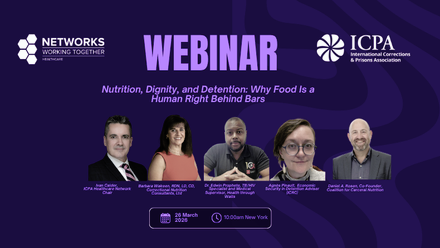
ICPA Healthcare Network Webinar: Nutrition, Dignity, and Detention: Why Food Is a Human Right Behind Bars: Improving Carceral Food Systems in the US by Daniel A. Rosen
ICPA Healthcare Network Webinar: Nutrition, Dignity, and Detention: Why Food Is a Human Right Behind Bars: Nutrition and Menu Planning in Carceral Settings in the USA by Barbara Wakeen
ICPA Healthcare Network Webinar: Nutrition, Dignity, and Detention: Why Food Is a Human Right Behind Bars: Nutrition in Places of Detention in Haiti by Edwin Prophete